


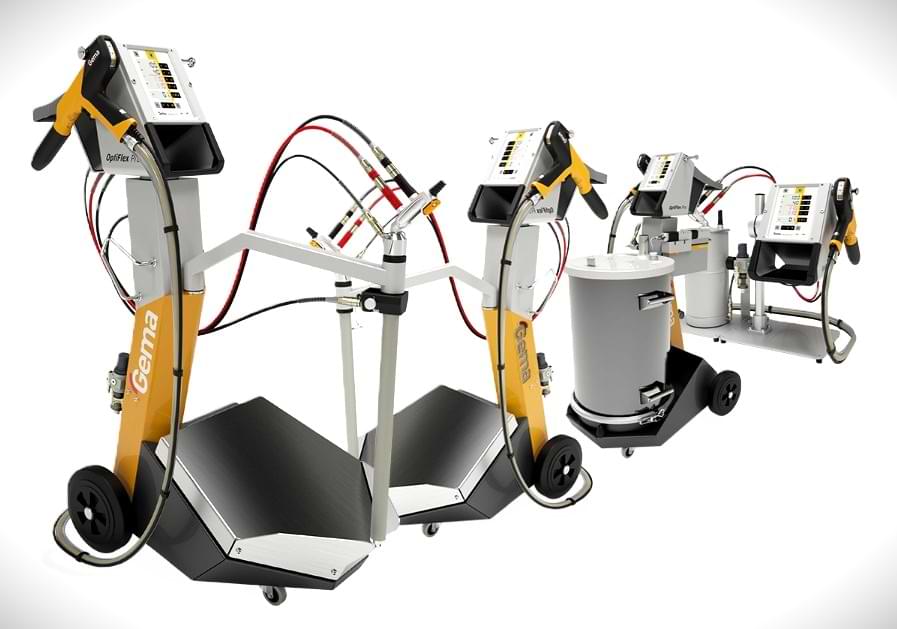
Picking the right powder coating machine isn’t about chasing specs—it’s about understanding what your project truly needs. A machine that works well for high-volume industrial runs might fall short for detailed parts or small batches. Matching your process to the right setup can boost finish quality, cut costs, and make work more efficient without overcomplicating things.
Powder Coating Machine Types Tailored to Industrial Project Volumes
High-volume projects live or die by speed and consistency. Industrial-scale production lines often need powder coating machines that are built for continuous use, handling repeat cycles without slowing down. These machines usually come with automated controls, consistent heat zones, and robust construction to handle large part loads daily. Their size and speed reduce downtime and help meet tight shipping deadlines.
In contrast, smaller operations benefit from more compact powder coating machine setups. Whether it’s a custom fabrication shop or a local manufacturer, the flexibility to coat low-volume batches without wasting energy is key. These machines can still deliver a flawless finish but are easier to manage, quicker to warm up, and better suited for project-specific tuning. Choosing the right scale ensures efficiency without draining resources.
Batch Systems Versus Continuous Lines for Production Demands
Production flow plays a huge role in deciding between batch systems and continuous lines. Batch systems offer more control—great for businesses coating a wide variety of parts with different colors and finishes. They’re ideal for custom jobs and limited-run components because they allow easy resets between jobs and reduce the risk of cross-contamination.
On the flip side, continuous lines are built for speed. They work best for companies that handle the same parts over and over. Once everything is dialed in, they run like clockwork, keeping the line moving with minimal oversight. For companies focused on volume, the investment in a continuous powder coating machine can pay off quickly by streamlining operations.
Selecting a Powder Coating Machine Based on Component Complexity
Intricate parts need more than just heat—they need uniform coverage in hard-to-reach spots. Complex shapes with recesses, corners, or curves benefit from powder coating machines that can distribute heat evenly around every angle. Inconsistent coverage on a detailed part often leads to weak spots or uneven finishes.
Projects with simpler components—like flat panels or straight tubing—can use more conventional powder coating machine setups. These projects usually don’t require specialized controls or temperature zoning. Matching the complexity of your parts with the machine’s performance helps avoid wasted material, excessive rework, or poor results.
Machine Size Considerations for Specific Project Dimensions
Part size is one of the first details to figure out. A machine that’s too small can limit what gets done, while a machine that’s too big may waste energy. If the project includes oversized frames, architectural elements, or large enclosures, the powder coating machine needs to comfortably fit those dimensions while allowing even airflow.
On the other hand, smaller parts like brackets, gears, or panels don’t require massive machines. A more compact setup saves power, takes up less floor space, and gets the job done efficiently. Right-sizing your machine for your projects helps maintain quality without overspending on features you won’t use.
Manual and Automatic Powder Coating Machine Suited to Coating Precision Requirements
Precision depends on control—and the right type of machine can make all the difference. Manual powder coating machines are great for shops that need hands-on oversight. Operators can adjust positioning in real time, which is helpful when coating tricky angles or one-off parts with extra care.
Automatic machines, however, are built for repeatability. They shine in settings where speed and consistency matter. For projects requiring the same level of detail across hundreds of units, automatic systems deliver accuracy while reducing human error. Picking between manual and automatic depends on whether your focus is flexibility or repeat performance.
Customizing Your Powder Coating Equipment for Specialized Finishes
Not all projects aim for the same look. Some require textured finishes, high-gloss coatings, or specific material compatibility. Customization options—like temperature controls, multi-zone heating, or specialized racks—can be essential for getting the perfect result. A tailored powder coating machine can adjust to finish requirements without trial and error.
If the finish demands vary from project to project, customization becomes even more important. Swapping out racks, adjusting curing profiles, or fine-tuning heat flow lets a shop adapt without compromising quality. Tailoring the setup to your specific goals gives you more control over the final product.
Matching Equipment Capabilities to Desired Coating Thickness and Uniformity
Getting consistent coating thickness isn’t just about powder quality—it depends heavily on the machine’s performance. Heat distribution, airflow, and hold time all affect how well the powder cures to a uniform finish. If your project needs exact thickness for protection or durability, the powder coating machine must deliver even curing across all parts.
Uniformity is just as important. Inconsistent heat zones can leave some parts undercured and others overdone, leading to chipping, discoloration, or adhesion problems. A well-tuned machine ensures every part, no matter the size or shape, receives the same treatment. This reliability matters for both aesthetics and performance.