


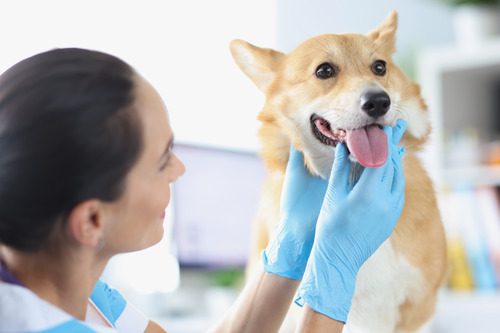
Sudden breathing trouble in your pet is frightening. You see the chest working hard. You hear odd sounds. You feel panic. Urgent care vets move fast in these moments. They watch how your pet stands and breathes. They listen to the lungs and heart. They check the gums for color. They use oxygen, fast imaging, and simple blood tests to find the cause. You get clear steps and quick choices. You also get honest talk about what can wait and what cannot. This blog shows how urgent care teams respond when every breath counts. It explains what you can expect when you rush in. It also helps you know when to call a Midlothian, VA veterinarian or head straight to urgent care. You deserve calm facts and direct guidance when your pet fights for air.
How to Spot a Breathing Emergency
You know your pet best. You see the small changes before anyone else. Some signs mean you need urgent care right away. Watch for three key warnings.
- Fast breathing even at rest
- Hard work to breathe with belly and chest moving a lot
- Blue, gray, or very pale gums or tongue
Other danger signs include
- Open mouth breathing in cats
- Wheezing or loud snoring sounds that are new
- Cough that will not stop
- Collapse or trouble standing
The American Veterinary Medical Association explains that breathing trouble is always an emergency because pets can crash fast.
What Happens When You Arrive at Urgent Care
The team starts care the moment you walk through the door. They do three things right away.
- Check breathing and heart rate
- Look at gum color and body temperature
- Ask short questions about what you saw at home
You may feel rushed during this time. That speed protects your pet. Staff may take your pet to the treatment room while you finish quick forms. You still stay part of the plan. The vet circles back to you once the pet is stable enough.
The first goal is simple. Help your pet breathe. The second goal is to find the cause. The team often does both at the same time.
Common Causes of Sudden Respiratory Problems
Many different problems can cause hard breathing. Some start in the lungs. Others start in the heart, throat, or nose. This table shows some common causes and what you may notice at home.
| Possible Cause | What You May See | Typical Urgent Care Steps
|
|---|---|---|
| Heart failure | Fast breathing at rest. Cough. Weakness. | Oxygen. Chest x rays. Heart drugs. Diuretics. |
| Pneumonia | Cough. Fever. Low energy. Heavy breathing. | Oxygen. X rays. Antibiotics. Fluids. |
| Asthma in cats | Open mouth breathing. Wheeze. Hunched body. | Oxygen. Inhaler or injection. X rays. |
| Collapsed airway or trachea | Honking cough. Hard breathing. Worse with excitement. | Oxygen. Sedation. Anti cough drugs. Imaging. |
| Foreign object | Sudden choking. Pawing at mouth. Gagging. | Emergency removal. Oxygen. Sedation or anesthesia. |
| Allergic reaction | Facial swelling. Hives. Sudden trouble breathing. | Epinephrine. Oxygen. Steroids. Monitoring. |
Some causes need only short treatment and home rest. Others need hospital care. The vet explains the likely cause and the risk in clear words so you can decide.
Tests Urgent Care Vets Use
Urgent care vets choose tests that give fast answers. They focus on three basic questions.
- Is there fluid in or around the lungs
- Is the heart failing
- Is something blocking the airway
To answer these, they often use
- Pulse oximetry to check oxygen levels
- Chest x rays to see lungs and heart size
- Simple blood tests to check infection and organ function
- Ultrasound of the chest or heart when needed
The goal is not to run every test. The goal is to run the right few tests that guide treatment while your pet gets support.
Treatment Steps You Can Expect
Once your pet is on oxygen and the first tests are done, the vet explains the plan. Treatment often follows three stages.
Stage 1. Stabilize Breathing
- Oxygen by mask, cage, or nasal line
- Calm and minimal handling to reduce strain
- Pain relief or light sedation if stress makes breathing worse
Stage 2. Treat the Cause
- Drugs to remove fluid from lungs or chest
- Antibiotics for infection
- Inhaled drugs or injections for asthma
- Procedures to drain fluid around the lungs
- Emergency surgery or scoping if something blocks the airway
Stage 3. Plan for the Next 24 to 72 Hours
- Hospital stay with oxygen and monitoring
- Or discharge with drugs, strict rest, and clear home rules
- Follow up with your regular vet or local specialist
The vet also talks about cost and choices. You deserve straight talk about what each option offers and what it cannot fix.
What You Should Do at Home During a Crisis
You cannot cure breathing trouble at home. You can protect your pet until you reach care. Focus on three actions.
- Keep your pet calm. Carry them if needed. Avoid struggle.
- Use a carrier for cats with the top off if that is easier to load.
- Call the clinic on the way so the team is ready to meet you at the door.
Do not give human drugs. Do not wait to see if things get better if breathing is hard. Every minute matters when oxygen is low.
When to Call Your Regular Vet and When to Go Straight to Urgent Care
Your regular vet knows your pet history. That care is best for slow changes. Urgent care is best for sudden changes. Use this simple guide.
- Call your regular vet if breathing changes slowly over days but your pet still eats, walks, and rests.
- Go to urgent care if breathing changes within minutes or hours or your pet seems weak, panicked, or dull.
- Go to urgent care at once if gums look blue, gray, or white or if your pet collapses.
You can still share all urgent care records with your regular vet. That teamwork gives your pet safer long term care.
How to Prepare Before an Emergency Happens
Planning now lowers fear later. You can take three simple steps today.
- Save the address and phone number of the nearest 24 hour urgent care vet.
- Keep copies of key records like heart scans or x rays in one folder.
- Ask your vet if your pet has risks such as heart disease, asthma, or collapsing airway.
A calm plan turns panic into action. You may never need it. If you do, you will be ready to move fast and speak up for your pet when each breath counts.