


Table of Contents
- Understanding Heat Pump Technology
- Energy Efficiency and Cost Savings
- Year-Round Comfort in Various Climates
- Environmental Benefits
- Technological Advancements
- Government Incentives and Rebates
- Choosing the Right Heat Pump for Your Home
- Conclusion
Heat pump systems have become the cornerstone of modern home heating and cooling, offering a unique blend of energy efficiency and adaptability. These systems are designed to work in a wide range of environments, seamlessly providing comfort regardless of climate or season. As homeowners explore smarter solutions for climate control, many are discovering the benefits of installing an air conditioner with heat pump. This innovative technology delivers both heating and cooling from a single system, simplifying home temperature management while reducing operating costs.
In regions like Garner, NC, where seasonal shifts can be quite pronounced, the adaptability of heat pump systems becomes particularly advantageous. These systems efficiently manage both heating and cooling, ensuring a comfortable indoor environment year-round. Homeowners in such areas appreciate the seamless transition between temperature settings, which not only enhances comfort but also optimizes energy consumption. As more people discover the benefits of these versatile systems, the demand for innovative HVAC solutions continues to grow, reflecting a broader trend towards sustainable living. This shift underscores the importance of choosing the right system tailored to specific climate needs, ultimately contributing to a more energy-efficient future.
The versatility of heat pump systems lies in their ability to transfer heat rather than generate it, resulting in significant energy savings. With environmental awareness and rising energy prices driving change, it is no surprise that more households are turning to these systems. Their efficient operation not only means lower bills but also contributes to reducing greenhouse gas emissions commonly associated with conventional heating and cooling methods.
Understanding Heat Pump Technology
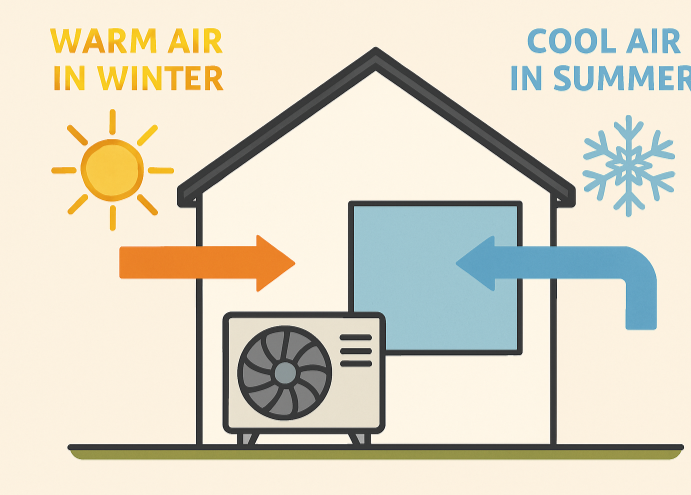
At their core, heat pumps work by moving heat from one place to another. Rather than creating heat like a traditional furnace or boiler, a heat pump extracts existing heat from the outside air, ground, or water and brings it into the home. On hot days, the process reverses: the same system moves heat out of the home, acting as an air conditioner. By combining heating and cooling, homeowners can often replace two separate systems with a single, streamlined solution.
This technology has made significant progress in recent years, resulting in models that can reliably extract heat from the air even when temperatures drop below freezing. Unlike many older systems that struggled under extreme conditions, today’s heat pumps use advanced refrigerant cycles and variable speed compressors to maintain performance, no matter the weather.
Energy Efficiency and Cost Savings
Energy efficiency is one of the main attractions of heat pump systems. Because they transfer heat rather than generate it, they consume substantially less electricity and fossil fuels than conventional heating and cooling systems. According to the U.S. Department of Energy, homeowners can expect to reduce electricity consumption by up to 75% compared to electric resistance heating and save around $950 per year when switching from a fuel oil furnace to an air-source heat pump. When used for water heating, heat pump systems can also offer noteworthy savings, as families may save hundreds of dollars annually while enjoying reliable hot water.
Consistently lower utility bills make heat pumps a wise investment, especially for those looking to offset rising energy costs. Over time, these savings can help cover the initial installation costs and deliver lasting financial benefits. For more detailed statistics, consult the U.S. Department of Energy’s heat pump guide.
Year-Round Comfort in Various Climates
Unlike traditional HVAC systems, which may be better suited to either heating or cooling, modern heat pumps deliver year-round comfort. These units are engineered for seamless transitions between heating and cooling, making them suitable for nearly every region. Advances in cold-climate design now allow many models to operate efficiently in sub-zero weather, ensuring your home remains comfortable even during harsh winters.
This ability to adapt means you do not need separate systems for each season. Newer heat pumps offer smart controls, allowing for easy programmability and remote operation. Whether you live in a hot, humid area or a region with freezing temperatures, a well-matched heat pump system can deliver steady, quiet, and reliable performance year-round.
Environmental Benefits
Buildings are responsible for more than 30% of global greenhouse gas emissions, much of which stems from heating and cooling systems. By relying on electricity and improved heat transfer methods, heat pumps can dramatically lower your home’s carbon footprint. When powered by renewable resources such as wind or solar energy, the environmental impact lessens even further. For communities committed to climate action, the shift to heat pump technology is crucial to reducing long-term emissions.
Organizations dedicated to climate and energy policy strongly encourage the use of high-efficiency heat pumps. In addition to helping the environment, these upgrades also improve indoor air quality by reducing the consumption and combustion of fuel oil and natural gas. For further reading, check out The New York Times heat pump guide for advice and real-world examples.
Technological Advancements
Recent years have seen dramatic improvements in heat pump design. Features such as inverter-driven compressors allow units to adjust their output on the fly, matching the heating or cooling load without consuming unnecessary energy. Additionally, the integration of the Internet of Things (IoT) has enabled systems to be monitored and adjusted remotely via smartphones or computers, offering new levels of convenience and system optimization.
Manufacturers have also introduced innovations in heat exchanger and refrigerant design, making today’s units smaller, quieter, and even more energy-efficient compared to earlier models. Microchannel and nanostructured components help maximize heat transfer while minimizing material use, further enhancing performance and durability.
Government Incentives and Rebates
To promote energy efficiency and sustainability, federal and local governments are offering substantial incentives for installing heat pumps. For example, under the U.S. Inflation Reduction Act, qualifying households may receive tax credits amounting to 30% of the cost (up to $600 per piece of equipment and $1,200 per year). There are also special credits for electric heat pumps, which can add up to $2,000. These benefits, combined with lower operating costs, make the transition to a heat pump system increasingly appealing for homeowners seeking to modernize their properties.
Energy rebate programs are continually updated, so it is always best to check with your local energy provider or utility to stay current on what is available in your area.
Choosing the Right Heat Pump for Your Home
The process of selecting a heat pump starts by considering the size and insulation quality of your home, as well as the regional climate. Working with a qualified HVAC contractor is crucial for correctly sizing and configuring the system. Pay close attention to industry-standard ratings such as SEER (Seasonal Energy Efficiency Ratio) and HSPF (Heating Seasonal Performance Factor), as these metrics indicate a unit’s energy efficiency. Well-reviewed products often offer greater reliability, longer warranties, and more advanced smart home integration features.
An initial evaluation and load calculation should be conducted by a professional to ensure your chosen system matches your home’s specific needs and delivers optimal performance and savings for years to come.
Conclusion
As energy costs climb and environmental concerns grow more urgent, heat pump systems have emerged as a reliable, cost-effective, and sustainable choice for home heating and cooling. Continued advancements in technology and government support make them accessible to more homeowners than ever before. By understanding how these systems work and selecting models suited to your local climate and household needs, you can enjoy year-round comfort, substantial cost savings, and a meaningful contribution to climate sustainability.