

Key Takeaways
- Regular water testing is essential for detecting harmful contaminants.
- Contaminants like lead, nitrates, and bacteria can have serious health implications.
- Both private well owners and municipal water users should prioritize water quality assessments.
- Understanding test results enables informed decisions about water treatment solutions.
Table of Contents
- Importance of Regular Water Testing
- Common Contaminants and Their Health Impacts
- Testing Methods and Their Effectiveness
- Interpreting Test Results
- Implementing Water Treatment Solutions
- Maintaining Water Quality Over Time
- Conclusion
Every home relies on its water supply for daily life, yet few homeowners consider the pollutants that could interfere with its safety. Making water quality a priority is essential for the health and well-being of your household. By conducting regular water testing, you can uncover hidden contaminants and take steps to ensure the continued safety of your family and the longevity of your plumbing systems. Reliable water testing & treatment services in Ohio help homeowners detect potential issues early, enabling them to resolve concerns before they become major problems.
Assessing your water quality is especially important if your property relies on a private well or if you live in an area with aging water infrastructure. In both cases, harmful substances can find their way into your supply, increasing the risk of health complications and costly damage to fixtures and appliances. Being proactive about water testing empowers you to make informed decisions about your water’s safety and the overall quality of your home environment.
Regular testing is not only about complying with health recommendations. It serves as vital protection for households, particularly families with children, elderly individuals, and those with compromised immune systems. Consistent water monitoring can add value to your property, ensuring a safe and pleasant environment for years to come.
Across the country, experts stress the importance of using both at-home and professional laboratory methods to effectively identify and track potential contaminants. Reliable water testing supports healthier living and preserves the quality of life that families deserve.
Importance of Regular Water Testing
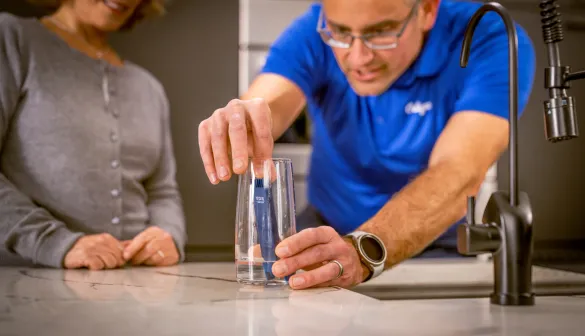
Routine water testing provides homeowners with peace of mind by confirming that their drinking water meets safety standards. For example, the Minnesota Department of Health advises private well owners to test for nitrates and coliform bacteria annually, and for other contaminants such as lead and arsenic every 2 to 5 years. This schedule is recommended because water conditions can change due to environmental factors, weather events, or aging pipes. Ensuring ongoing testing can help detect and address health threats before they escalate.
Early detection of contaminants saves money in the long run by preventing damage to plumbing and household appliances caused by unaddressed pollutants. As the U.S. Environmental Protection Agency explains, water systems are also susceptible to seasonal and geographic changes, underscoring the need for consistent monitoring. Staying informed helps families avoid potential health crises linked to unknown water quality issues.
Common Contaminants and Their Health Impacts
Contaminants in drinking water vary by region but tend to pose serious health risks regardless of where they are found. The most common substances to watch for include:
- Lead: Even at low levels, lead can disrupt neurological development in children and increase blood pressure in adults, contributing to long-term cognitive and cardiovascular problems.
- Nitrates: Common in agricultural areas, nitrates are especially harmful to infants, causing conditions like methemoglobinemia (blue baby syndrome) that inhibit the blood’s ability to carry oxygen.
- Coliform Bacteria: The presence of these bacteria indicates that water may also contain pathogens capable of causing gastrointestinal illness and infections.
- Arsenic: Found in some groundwater, arsenic exposure over time increases the risk of various cancers and can also cause skin changes and circulatory problems.
- Manganese: Essential in small quantities but toxic when present at elevated levels, manganese can impact neurological health and adversely affect infants’ development.
Awareness of these contaminants is crucial for safeguarding household health and preventing acute and chronic conditions that often go unnoticed until symptoms appear.
Testing Methods and Their Effectiveness
There are two main approaches to water testing in residential settings, each with unique advantages and potential drawbacks.
- At-Home Test Kits: Convenient and user-friendly, these options provide immediate results for basic contaminants but often lack the precision to detect lower levels or multiple types of pollutants simultaneously. A recent study from the University of Massachusetts Amherst found significant variability in accuracy, underscoring the need to confirm findings with professional labs.
- Professional Laboratory Testing: Laboratories offer comprehensive testing that identifies a broader range of contaminants, down to trace amounts. Although these tests require sending samples away and waiting for results, they are recommended for initial assessments or when at-home tests return unexpected results.
Selecting the right method depends on your water source, known local risks, and the level of detail desired. In most cases, combining both types offers the best balance between convenience and accuracy.
Interpreting Test Results
Understanding water test results is crucial for determining future actions. Start by comparing results with benchmarks from authorities like the U.S. Environmental Protection Agency or your local Department of Health. If any substances are above recommended levels, it is vital to assess their implications for household health and consider if immediate action is needed. Review contaminant levels against national and state standards, and research the health risks associated with those contaminants, especially for vulnerable groups such as young children, pregnant women, and seniors. If results are confusing or alarming, seek guidance from water quality experts or your health department for specific advice and treatment options. Proper interpretation of these results is essential to quickly address issues, minimizing health risks and potential damage to your home.
Implementing Water Treatment Solutions
The best treatment solution depends on the specific contaminants found during testing. Popular methods include:
- Filtration Systems: These can remove sediment, chlorine, and a range of metals, improving taste and protecting plumbing.
- Reverse Osmosis Systems: This technology filters out a broad array of contaminants, including lead, nitrates, and some pathogens, delivering high-quality water for consumption and cooking.
- Water Softeners: Particularly useful in regions with hard water, softeners reduce excess mineral content, preserving appliances and improving the feel of water on the skin and in laundry.
Engaging with a qualified water treatment specialist is the best way to tailor solutions to your household’s needs after results are received and analyzed.
Maintaining Water Quality Over Time
Long-term water safety necessitates a consistent approach and heightened awareness. Essential practices encompass: Regular Testing, which involves establishing and adhering to a schedule rooted in regional guidelines to ensure timely responses to alterations in water quality; Maintenance of Systems, emphasizing the importance of servicing water treatment and filtration devices in accordance with manufacturer recommendations to maintain reliable functionality; and Staying Informed by closely monitoring local water quality reports, particularly following events such as construction, flooding, or chemical spills that may elevate the likelihood of contaminants infiltrating the water supply. Engaging in proactive stewardship is vital to ensure that your water remains safe and healthy for all household members now and in the future, underlining the importance of effective treatment methods.
Conclusion
In conclusion, regular water testing is a critical component of maintaining safe and healthy drinking water for any household. By monitoring for contaminants such as lead, nitrates, bacteria, and arsenic, homeowners can detect potential health risks early and implement effective treatment solutions tailored to their needs. Combining at-home testing for convenience with professional laboratory analysis for accuracy ensures a comprehensive understanding of water quality. Proper interpretation of results, coupled with consistent maintenance of filtration or treatment systems, helps prevent long-term health issues and protects plumbing and appliances. Ultimately, staying proactive through routine testing, informed decision-making, and ongoing system care empowers families to enjoy clean, reliable water while minimizing risks and supporting overall household well-being.