


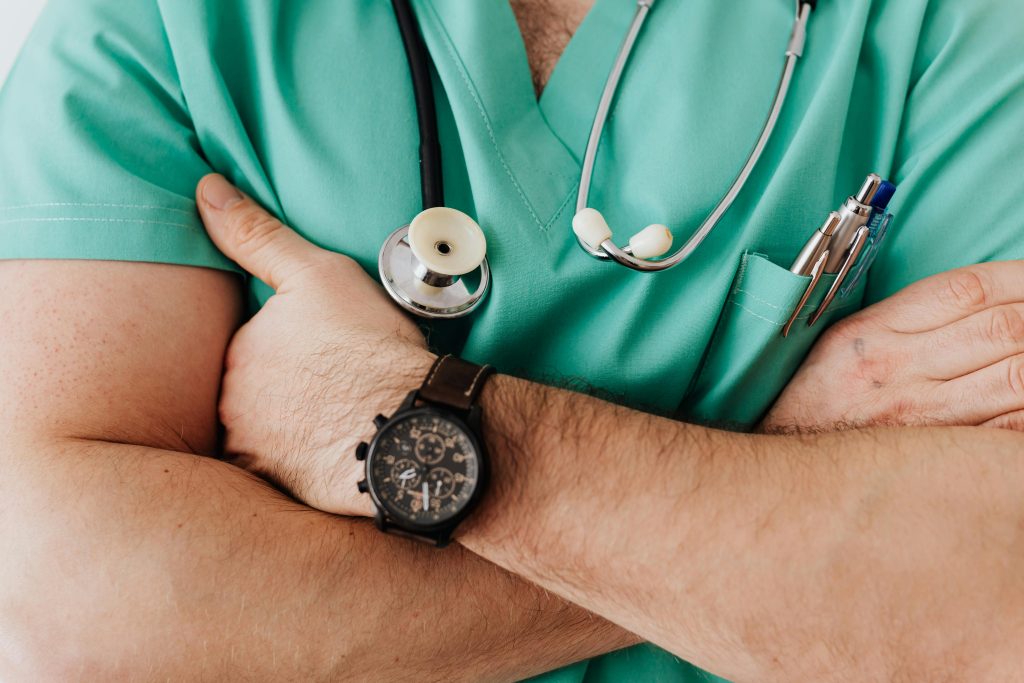
Running a modern healthcare facility means juggling countless priorities, but one thing is non-negotiable: having the right medical equipment to hand. Whether you’re managing a neighborhood clinic, a specialized practice, or an entire hospital system, the devices you choose directly impact your ability to diagnose accurately, treat effectively, and keep patients satisfied with their care. The medical technology landscape isn’t standing still, it’s racing forward, which means facility managers and healthcare administrators need to stay sharp about what equipment deserves their investment dollars. Getting familiar with the essential equipment categories and understanding how they’re actually used in daily practice? That’s what separates facilities that merely function from those that truly excel at meeting healthcare standards while staying ready for whatever comes next.
Diagnostic Imaging Equipment
Diagnostic imaging systems have become the eyes of modern medicine, letting healthcare providers see what’s happening beneath the surface without making a single incision. X-ray machines continue to be workhorses for examining bones, catching fractures, and spotting certain soft tissue issues quickly and efficiently. Ultrasound technology has come a long way from those grainy images of decades past, today’s systems deliver real-time visualization for everything from monitoring pregnancies to checking heart function, all without exposing patients to radiation. When dealing with trauma cases or puzzling internal conditions, CT scanners provide those crucial cross-sectional views that can make all the difference in treatment decisions.
Patient Monitoring Systems
Keeping tabs on patients continuously isn’t just about ticking boxes on a safety checklist, it’s about catching problems before they become crises. Vital signs monitors track the fundamentals like heart rate, blood pressure, oxygen levels, breathing rate, and temperature, giving your team both baseline data and instant alerts when something’s heading in the wrong direction. Cardiac monitoring gear, including ECG machines and telemetry setups, catches those irregular heart rhythms and other cardiac red flags that need immediate attention. Pulse oximeters have practically become household items now, but in clinical settings, they provide that quick, painless snapshot of blood oxygen that guides so many respiratory care decisions.
Examination and Treatment Tables
If there’s one piece of equipment that gets used more than any other in a medical facility, it’s the examination table, and yet it often doesn’t get the attention it deserves when facilities are planning their equipment budgets. Quality exam tables need adjustable heights to help patients with mobility challenges get on and off safely while letting providers work at comfortable positions that don’t wreck their backs by day’s end. Power-assisted tables with electronic controls make those position adjustments smooth and effortless, whether you need Trendelenburg positioning for certain exams or reverse Trendelenburg for specific procedures. Specialized tables designed for particular disciplines, think gynecological exams, physical therapy sessions, or minor surgical work, really boost your facility’s ability to deliver focused care efficiently. When it comes to diagnostic imaging procedures, healthcare professionals count on GE medical equipment that works hand-in-hand with examination tables to get patients positioned just right for crystal-clear images. Bariatric tables with reinforced frames and broader surfaces ensure your facility can safely accommodate all patients regardless of size while preserving their dignity and comfort. Don’t overlook durability and cleaning ease either, these tables face heavy daily use and need to stand up to aggressive infection control protocols that keep everyone safe from healthcare-associated bugs.
Laboratory and Point-of-Care Testing Equipment
Having lab capabilities right in your facility dramatically cuts down the waiting game for test results, which means doctors can make decisions faster and patients leave happier. Blood analyzers that run complete blood counts, metabolic panels, and other routine tests deliver answers in minutes instead of the hours or days you’d wait sending samples to an outside lab. Point-of-care devices like glucose meters, coagulation monitors, and rapid strep tests provide those immediate results that let providers adjust treatment plans right during the patient visit. Foundational lab gear like centrifuges, microscopes, and chemistry analyzers expand what your facility can diagnose in-house, reducing how much you depend on external labs.
Sterilization and Infection Control Equipment
Maintaining rock-solid infection control standards isn’t possible without specialized equipment that properly sterilizes reusable instruments and keeps your healthcare environment safe. Autoclaves using steam sterilization still reign as the gold standard for processing surgical instruments, dental tools, and other items that can handle the heat between patient uses. Ultrasonic cleaners handle the prep work before sterilization, using high-frequency sound waves to blast away debris and bioburden from spots that manual scrubbing just can’t reach. Biological and chemical indicators aren’t just bureaucratic box-checking, they verify that your sterilization cycles actually hit the marks needed to wipe out microorganisms and protect patients.
Emergency Response and Resuscitation Equipment
Life-threatening emergencies don’t announce themselves ahead of time, which means every healthcare facility needs emergency equipment that’s ready to roll at a moment’s notice. Automated external defibrillators can literally restart someone’s heart during cardiac arrest, and their user-friendly designs mean even staff with minimal training can follow the prompts during those high-stress moments. Emergency crash carts loaded with medications, airway equipment, IV supplies, and monitoring gear let your rapid response teams deliver comprehensive care when every second counts during a code. Oxygen delivery systems, whether portable tanks or centralized setups with outlets throughout your facility, support patients struggling with respiratory distress or outright failure.
Conclusion
Choosing the right medical devices isn’t about creating a wish list, it’s about carefully analyzing your patient population, the services you provide, your budget realities, and where your facility wants to be five years from now. Building a solid foundation with quality diagnostic imaging, patient monitoring, examination equipment, laboratory capabilities, sterilization systems, and emergency response tools sets your facility up to deliver excellent care consistently, not just on good days. Smart healthcare administrators prioritize equipment that’s built to last, easy for staff to use, integrates smoothly with existing systems, and meets current regulatory requirements, that’s how you maximize value and avoid costly replacements down the road. Couple that equipment with regular maintenance schedules, ongoing training programs, and strategic planning for replacements, and your facility stays competitive while meeting whatever new healthcare demands emerge.