


Used car shopping often begins with optimism. Buyers picture themselves finding a reliable vehicle at a sensible price, driving away convinced they made a smart financial decision. Yet that confidence can disappear quickly when small oversights lead to repair bills, poor financing, or a car that simply does not meet expectations. Most disappointing purchases are not caused by bad luck alone. They happen because avoidable mistakes slip into the process.
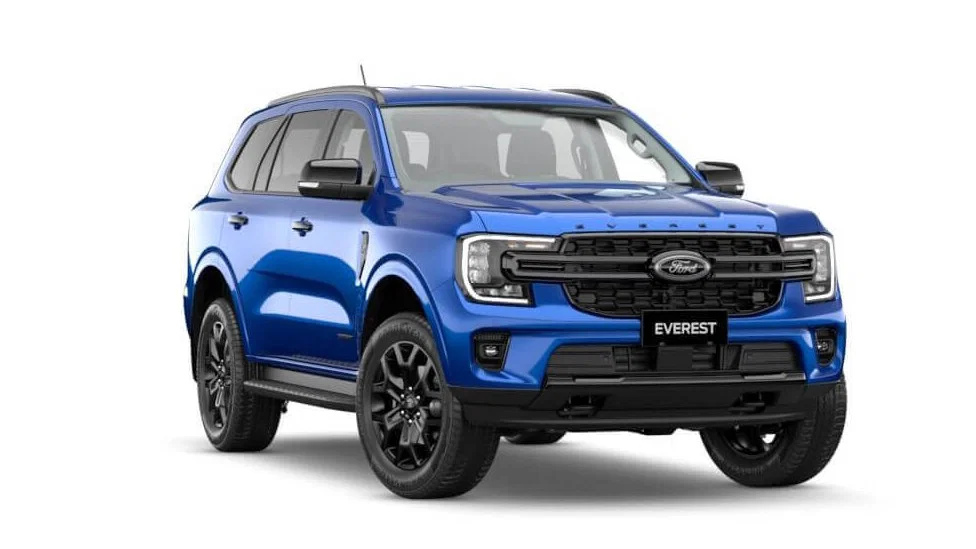
Ford vehicles remain popular because of their practicality, broad model range, and everyday usability. Even so, popularity should never replace careful evaluation. A familiar badge does not automatically guarantee a wise buy.
Relying Too Heavily on Exterior Condition
A clean body and polished interior create instant appeal, but appearance can distract buyers from what matters more. Mechanical wear, servicing gaps, transmission condition, and previous repairs are not visible through a shiny bonnet.
Many shoppers become emotionally comfortable once the vehicle looks tidy. That comfort can reduce the urgency to inspect deeper. Unfortunately, this is often where expensive surprises begin.
Visual condition should support the purchase, not decide it.
Skipping Detailed Service Documentation
A used vehicle without clear service history leaves too many unanswered questions. Has routine maintenance been followed consistently. Were major repairs completed on time. Has the vehicle experienced repeated unresolved issues.
These answers usually live in paperwork, not in sales descriptions. Buyers who ignore documentation are essentially accepting uncertainty.
This is why many people researching mistakes to avoid when buying Frankston Ford used cars place service history review near the top of their checklist.
Not Researching Known Model Issues
Different Ford models come with different ownership reputations. Some are known for dependable long term performance, while others may have common concerns tied to transmissions, electronics, or suspension wear depending on age and usage.
Walking into the market without understanding these patterns weakens buyer judgment. A vehicle may seem attractively priced simply because it carries a known issue the seller already expects informed buyers to question.
Model specific research gives the buyer context that listings alone cannot provide.
Allowing the Test Drive To Be Too Short
A brief spin around the block tells very little. Buyers need enough time to feel cold starts, acceleration smoothness, brake response, steering alignment, cabin noises, and gear transition quality.
Short test drives often happen because buyers feel rushed or assume everything important will reveal itself quickly. It rarely does. Some warning signs only appear once the vehicle has been driven long enough to settle into normal operation.
A rushed drive can create a rushed decision.
Ignoring Full Cost Beyond Sale Price
Insurance category, registration timing, upcoming tire replacement, brake wear, and immediate servicing needs all affect the true affordability of the purchase.
Some buyers celebrate securing a lower sale price only to spend heavily within the first month correcting overlooked maintenance issues. The better question is not whether the car is cheap today, but whether it stays economical after ownership begins.
This matters greatly when comparing frankston ford used cars because two similar listings can differ sharply in hidden follow up costs.
Accepting Finance Terms Without Review
Dealership convenience financing can feel easy, but convenience should never replace scrutiny. Interest rates, contract length, repayment totals, and penalty conditions deserve careful reading.
A manageable monthly installment can disguise a much more expensive long term commitment. Buyers who focus only on monthly affordability often discover later that the vehicle cost far more than expected.
Helpful Related Buyer Research
Vehicle shoppers also benefit from reviewing used Ford reliability comparison reports and dealership finance contract warning signs because these related topics strengthen decision making before signatures are placed on any agreement.
The broader the awareness, the safer the purchase.
Final Thoughts on Buying With Better Judgment
Most used car regrets begin with assumptions. Assuming the car is mechanically fine because it looks good. Assuming the price is fair because it feels lower than expected. Assuming the dealership paperwork does not need close reading.
Good buying decisions come from replacing those assumptions with verification. Service records, longer test drives, finance review, and model research all slow the process down in the best possible way.
That slower pace protects buyers from turning a promising Ford purchase into a costly lesson. With the right caution, the vehicle can remain exactly what it should be—a practical and rewarding investment rather than an avoidable frustration.