


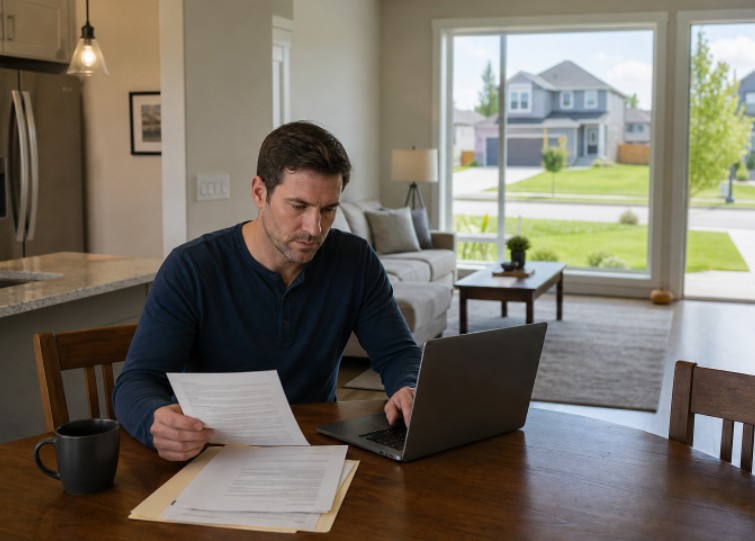
Closing on a home involves major financial decisions, detailed paperwork, and several parties working toward the same deadline. That combination can make it easier to miss an error or react too quickly to a last-minute request. Understanding what is mortgage fraud can help buyers recognize why accurate information, clear documentation, and independent verification matter throughout the process.
A pre-closing safety check is not about assuming that something is wrong. It is about giving yourself time to confirm the facts before money changes hands and before you accept legal obligations. A buyer who receives revised wiring instructions the day before closing, for example, should pause and verify them instead of treating the change as routine.
Why a Pre-Closing Safety Check Matters
Closing can include a lender, real estate professional, settlement agent, title company, attorney, seller, insurer, and other service providers. Each person may send documents or requests, and not every change is a problem. Still, an incorrect fee, misspelled name, wrong property detail, or unexpected payment request can create delays or more serious consequences if it goes unaddressed.
The safest approach is calm and methodical. Review documents when they arrive, keep important contacts in one place, and raise questions before closing day whenever possible. Rushing to meet a deadline should never require you to overlook information you do not understand.
Build a Trusted Contact List Early
Create a simple list of the people authorized to communicate about your transaction. Include your loan officer, real estate agent or broker, settlement or escrow professional, title representative, and attorney if you have one. Record each person’s role, office phone number, email address, and preferred secure method for sharing documents.
Save these details well before closing week. If a suspicious email, text, or call arrives, use your saved number to contact the appropriate professional. Do not use the phone number, reply address, or link included in the unexpected message.
Check Every Financial Document for Changes
Compare your Loan Estimate with your Closing Disclosure and ask about differences. Review the interest rate, loan amount, monthly payment, loan term, closing costs, seller credits, lender credits, and cash needed to close. Confirm that your name, the property address, and the purchase price are correct.
The closing checklist can help buyers organize questions and documents before signing. Pay particular attention to unfamiliar charges, changes in credits, or figures that are higher than expected. A change may have an ordinary explanation, but you deserve one that is clear and documented.
Watch for Payment and Wire Fraud Warning Signs
Unexpected changes to wiring instructions should always trigger a pause. Warning signs can include a look-alike email address, urgent language, a request to keep the matter secret, an unexpected attachment, or instructions that arrive outside the normal communication process.
Before sending funds, call the settlement professional using a trusted number and confirm the recipient’s name, bank information, and amount verbally. The FBI warns that business email compromise schemes can use spoofed addresses and fraudulent messages that appear to come from trusted parties, including in real estate transactions. If you believe a fraudulent transfer has occurred, contact your financial institution immediately.
Review the Property Before Signing
Schedule a final walk-through as close to closing as possible. Confirm that agreed repairs are complete and that included appliances, fixtures, and personal property remain in place. Look for new damage, leaks, missing items, or condition changes that were not part of the agreement.
Take photos of any concerns and notify your real estate professional, settlement agent, or attorney before signing. Do not assume that a property issue will be easier to resolve after the transaction is complete.
Check for Document and Identity Inconsistencies
Names should match across your identification, loan papers, purchase agreement, and transfer documents. Also, review the property address, legal description, ownership details, purchase price, and loan terms. Ask about blank spaces, handwritten edits, missing pages, or unfamiliar provisions.
Take the time needed to read what you are signing. If an issue affects ownership rights, contract obligations, or your mortgage terms, consider seeking advice from a qualified attorney or financial professional before moving forward.
Spot Common Pressure Tactics
- Claims that you will lose the home unless you send money immediately.
- Requests to misstate income, employment, debts, occupancy, assets, or the source of funds.
- Offers to “fix” an application without explaining what will be changed.
- Pressure to sign documents that differ from earlier discussions.
- Advice to skip an inspection, ignore a document, or avoid getting another opinion.
Use a Simple Three-Step Pause Rule
- Stop: Do not wire money, click a link, or sign a changed document immediately.
- Verify: Contact the relevant professional through a trusted phone number or secure portal.
- Document: Save messages, document copies, dates, names, and payment details.
Know What to Do if Something Feels Wrong
Contact your lender, settlement professional, real estate agent, or attorney as soon as you notice a concern. If you have already sent funds, notify your bank or wire provider immediately and ask what recovery or recall options may be available. Preserve emails, texts, call records, invoices, and transfer confirmations for any report or investigation.
Questions Buyers Should Ask Before Closing
- Who is authorized to provide final payment instructions?
- How should I verify payment details before transferring funds?
- Have any loan terms, fees, credits, or deadlines changed?
- Which documents can I review before closing day?
- What happens if I find an error before signing?
- Who should I contact after closing if a payment or document issue appears?
One-Page Pre-Closing Checklist
- Save trusted contact information.
- Review the Closing Disclosure and compare it with earlier estimates.
- Verify payment instructions independently by phone.
- Complete the final walk-through and document concerns.
- Check names, addresses, fees, and property details.
- Ask about unfamiliar terms or changes before signing.
- Keep copies of every final signed document.
Common Questions About Closing Safety
What Should a Buyer Do if Wiring Instructions Change?
Pause the payment and call the closing professional through a trusted number. Confirm the account details verbally before sending funds, even if the message appears to come from someone you recognize.
Can a Buyer Ask to Delay Signing?
Raise concerns immediately and ask the lender, settlement agent, or attorney what options are available. Contract rights, deadlines, and possible consequences vary by transaction and location.
What if a Buyer Notices a Mistake on a Closing Document?
Do not assume an error is harmless. Ask the responsible professional to explain and correct it, then request an updated copy when appropriate before you sign.
Conclusion: Slow Down Before You Sign
Buying a home can feel like a race toward the finish line, but careful review is part of protecting your money and ownership rights. Verify payment instructions, inspect the property, compare your documents, and ask direct questions. A short pause before signing can help prevent a costly mistake.