


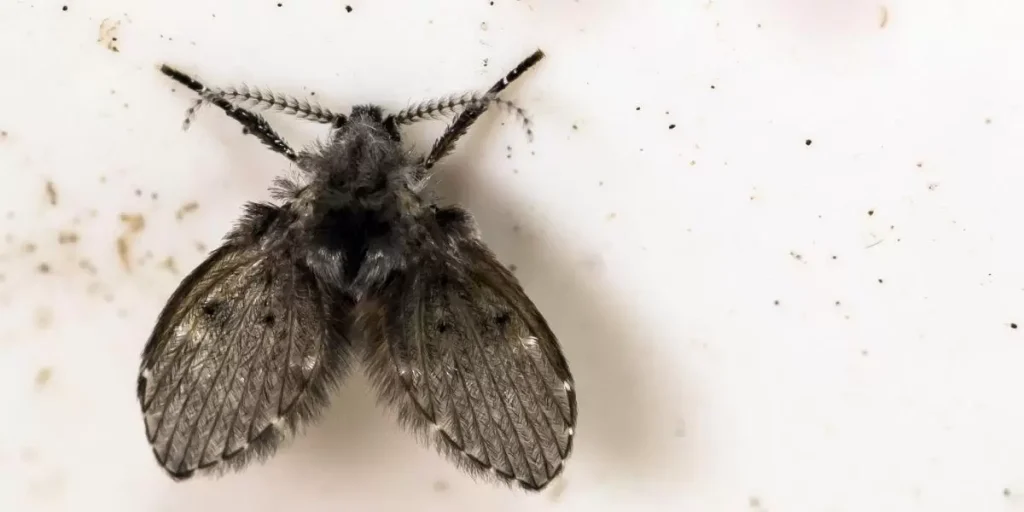
Home drains, especially open ones, are the breeding grounds for various insects, including drain flies. The stagnant water and bacteria build up in the drains provide the perfect space for these insects to grow in population. If you are suddenly noticing tons of small flies around your sink, bathtub, or showers, they may be drain flies.
Drain flies can reproduce every 48 hours, making it extremely easy to develop an infestation in a small amount of time. By being a little careful, you can stop and prevent them in the future. Get professional Pest control today.
How to prevent a drain fly infestation?
Eliminating potential breeding locations is the best way to get rid of drain flies. It is important to locate and properly clean the breeding site. Search for possible nesting locations close to drains or other areas with standing water.
If you are not sure which drain is the source, place a clear plastic cup over the suspected drain for a few days after lightly coating it with vegetable oil or petroleum jelly. This will make it easier to locate breeding grounds and capture emerging adults.
Insecticides and drain cleaners should never be poured down drains to kill drain flies. However, pouring hot water into the drain may offer temporary control. If you are still unable to get rid of these flies, it is greatly recommended to seek help from professional pest control services.
How do you identify drain flies?
Drain flies are small insects that are commonly found in places where pipes or drains are present. These common households can also be found in commercial settings with drains, such as water treatment plants, locker rooms, or places with standing water.
Drain flies are very small, with a length of 0.25 inches. They have a fuzzy appearance with tiny, hairy bodies that are either black or brown-gray. They also have hairy wings that resemble the shape of leaves. The wings of a drain fly protect the body when they are sitting or at rest.
What do drain flies eat?
Larvae of drain flies eat decomposing organic waste, including fungi, bacteria, and algae. The slime that accumulates in pipes, traps, and drains serves as their food source. They also feed on other microscopic plants and animals that are found in filters near sewage plants. An adult drain fly’s diet consists of flower nectar and polluted water.
What are the common diseases caused by drain flies?
Drain flies are dangerous and can cause several diseases in humans, including myiasis, microfilaria, and asthma. Therefore, make sure to keep your home free of unwanted food leftovers and clean garbage cans frequently.