


Electrical safety is one of the most important parts of keeping your home safe and comfortable. Many electrical problems start with small issues that are easy to ignore, but they can lead to serious accidents if left untreated. By following a few smart safety practices and getting professional help when needed, you can reduce risks and protect your family. Regular maintenance, careful use of electrical appliances, and timely repairs all play a key role in creating a safer home environment.
Inspect Your Electrical System Regularly
One of the best ways to improve electrical safety is to inspect your home’s electrical system on a regular basis. Over time, wires, outlets, and switches can become worn out or damaged. Signs such as flickering lights, frequently tripped circuit breakers, burning smells, or warm outlets should never be ignored. Fixing these problems early helps prevent electrical fires and costly repairs. A professional inspection can identify hidden issues before they become dangerous.
Hire a Residential Electrician for Professional Repairs
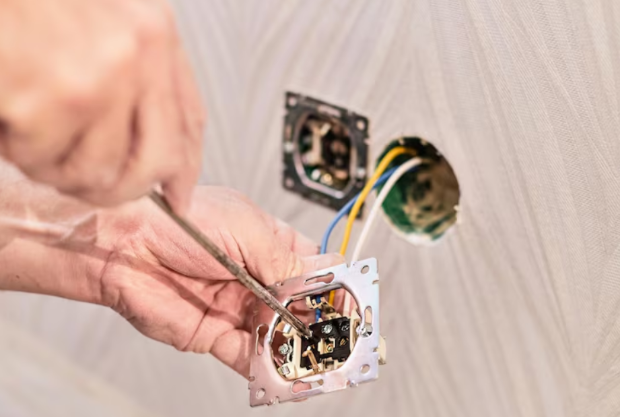
When electrical problems arise, it is always safer to hire a residential electrician instead of trying to fix them yourself. Electrical work requires proper knowledge, experience, and specialized tools. A qualified electrician can safely repair faulty wiring, install new outlets, upgrade electrical panels, and ensure your home’s electrical system meets current safety standards. Professional repairs not only improve safety but also provide peace of mind knowing the work has been completed correctly.
Avoid Overloading Electrical Circuits
Many homes use more electrical devices today than they were originally designed to handle. Plugging too many appliances into one outlet or power strip can overload the circuit and increase the risk of overheating or fire. Spread appliances across different outlets whenever possible and avoid using multiple extension cords for permanent power. If your home regularly experiences overloaded circuits, it may be time to upgrade your electrical system.
Keep Electrical Devices and Cords in Good Condition
Damaged power cords and broken electrical devices are common causes of electrical accidents. Check cords regularly for cracks, frayed wires, or exposed insulation. Replace damaged cords immediately rather than repairing them with tape. Keep cords away from water, heat sources, and areas where they can be stepped on or pinched by furniture. Using electrical devices according to the manufacturer’s instructions also helps reduce safety risks.
Install Modern Safety Devices
Modern electrical safety devices provide extra protection for your home and family. Ground Fault Circuit Interrupters (GFCIs) help prevent electric shocks in areas where water is present, such as kitchens, bathrooms, and outdoor spaces. Arc Fault Circuit Interrupters (AFCIs) help reduce the risk of electrical fires caused by damaged wiring. Smoke detectors should also be tested regularly and their batteries replaced as needed. These safety upgrades offer valuable protection and improve overall home safety.
Teach Safe Electrical Habits
Good electrical safety also depends on daily habits. Teach children not to play with electrical outlets or cords, and remind everyone to unplug appliances carefully by holding the plug instead of pulling on the cord. Never use electrical devices with wet hands, and keep liquids away from electrical equipment. Simple habits like turning off unused appliances and checking cords regularly can prevent many common accidents.
Conclusion
Improving electrical safety in your home does not have to be complicated. Regular inspections, safe electrical habits, proper maintenance, and timely repairs all help reduce the risk of accidents. Hiring a qualified residential electrician for professional work ensures your electrical system remains safe and reliable. By taking these smart steps, you can protect your home, your family, and your valuable property for many years to come.