


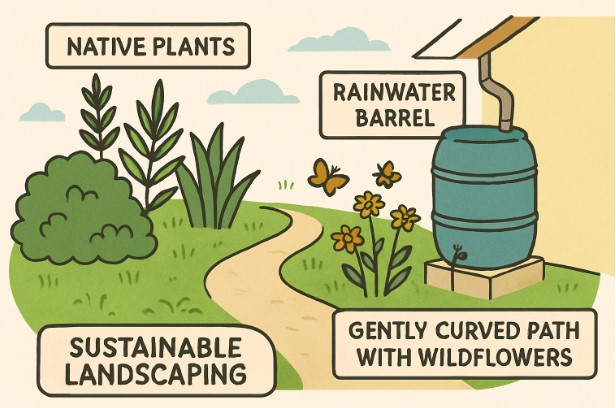
As environmental consciousness becomes integral to shaping our living spaces, sustainable landscaping practices are rapidly gaining traction among homeowners. Creating gardens that are both visually attractive and ecologically responsible is now a top priority. Professionals such as landscape architects and designers are playing a pivotal role in guiding homeowners toward choices that benefit both their properties and the planet. These innovations help build a future in which beauty and function coexist harmoniously with sustainability at the core. Adopting these trends leads to more than just aesthetic improvements. It also supports local ecosystems and promotes responsible resource management for long-term environmental health. Modern gardens are increasingly characterized by features like native planting, water-conscious systems, and spaces that invite both people and wildlife.
Native and Drought-Tolerant Plantings
Native and drought-tolerant species are central to sustainable landscaping. These plants, already adapted to local soil and climate conditions, require less water and maintenance than exotic varieties. For example, using sword ferns and Pacific dogwood in the Pacific Northwest helps ensure vibrant gardens with lower upkeep and reduced resource consumption. Such plantings not only save time and money but also recreate habitats for local insects and birds, strengthening the garden’s ecological fabric. For more insights into native landscapes, see The Old Farmer’s Almanac: 10 Tips for Native Plant Landscaping. Incorporating native plantings also helps restore the region’s original biodiversity and reduces the need for fertilizers or pesticides that can pollute water systems. Many homeowners are collaborating with local nurseries or native plant societies to select the most suitable and beneficial species for their specific regions. Using these resources facilitates successful growth and ensures that their landscaping efforts have a positive impact on the local environment. Regularly evaluating plant performance and updating selections in response to changing climate conditions can also help ensure that a garden remains resilient and adaptive over time.
Water-Conscious Designs
Water conservation is a pressing concern in sustainable outdoor spaces. Homeowners are adopting systems such as rainwater harvesting, drip irrigation, and rain gardens. Smart irrigation controllers now monitor soil moisture and weather data, providing water only when necessary and greatly reducing waste. These thoughtful strategies help gardens thrive during dry spells and align with broader efforts to protect water resources. Cities facing recurring drought have especially benefitted from such techniques, as noted by the Los Angeles Times: AI-Driven SoilDrops Puts the “I” in Irrigation. Rain barrels, swales, and greywater systems are additional ways homeowners are maximizing water efficiency in their gardens. These methods not only minimize a property’s environmental footprint but also offer cost savings on utility bills over time. Additionally, clearly labeling zones for different water needs ensures each area is watered appropriately, preventing both overwatering and underwatering and supporting the long-term health and vitality of the landscape.
Edible Landscaping
Growing food in decorative landscapes is more popular than ever. Integrating fruit trees, berry bushes, vegetable beds, and herbs provides fresh produce steps away from the kitchen while still delivering visual interest with blossoms, foliage, and form. Edible landscaping empowers households to be more self-sufficient, reduces food miles, and increases appreciation for seasonal cycles. This practical approach reconnects families with the origins of their food.
Edible gardens also provide valuable teaching tools for children, fostering an early appreciation for sustainable food systems and healthy eating habits. Grouping edible plants with ornamental flowers, or using raised beds and vertical planters for vegetables and herbs, maximizes limited space and allows for creative garden designs. Well-planned edible landscapes can be beautiful and resource-efficient, helping usher in a more sustainable culinary lifestyle right at home.
Wildlife-Friendly Gardens
Transforming gardens into wildlife refuges is a growing focus. Planting pollen-rich flowers, providing shallow water baths, and installing birdhouses or bee hotels all attract and support native species. These gardens offer sustenance, shelter, and breeding grounds for pollinators, birds, and beneficial insects. Prioritizing wildlife-friendly features not only beautifies the garden but also contributes to the health of surrounding ecosystems, which is vital in the face of global biodiversity decline. Other strategies include leaving some leaf litter and deadwood in hidden corners to nourish decomposers, and creating diverse layers of vegetation to support different species. Certifying a property as a wildlife habitat through organizations such as the National Wildlife Federation demonstrates a commitment to supporting nature. It can inspire neighbors to adopt similar eco-friendly practices, leading to broader community-scale environmental benefits.
Climate-Conscious Plant Selection
Drought, storms, and shifting seasons make plant choice critical to a garden’s lifespan. Selecting resilient species that can handle extremes in temperature and precipitation lowers the need for costly remedial measures. Climate-conscious landscapes adapt to changing conditions by using plants hardier to heat, wind, or excessive rain, ensuring that gardens remain healthy and sustainable long into the future. Gardeners are now considering future climate projections and the long-term adaptability of plants when making selections. This proactive approach results in more robust gardens that require less intervention and fewer inputs, preserving resources and supporting ecosystem stability as environmental conditions continue to evolve. Prioritizing sustainable landscaping trends allows homeowners to create beautiful, resilient, and responsible gardens. These landscapes are not only visually striking but also make a positive impact by supporting local ecosystems, conserving valuable resources, and embracing technological and ecological advances for a greener tomorrow.
Conclusion
Sustainable landscaping is transforming the way homeowners design and care for their outdoor spaces. By incorporating native plants, conserving water, supporting wildlife, and using smart technology, modern gardens can thrive while reducing environmental impact. These thoughtful approaches not only create beautiful and functional landscapes but also promote healthier ecosystems and responsible resource use. As climate awareness grows, sustainable gardening practices will become even more important. Homeowners who embrace these strategies today can enjoy vibrant, resilient landscapes that benefit both their property and the environment for years to come. With mindful planning and eco-friendly choices, every garden can contribute to a greener, more sustainable future.