


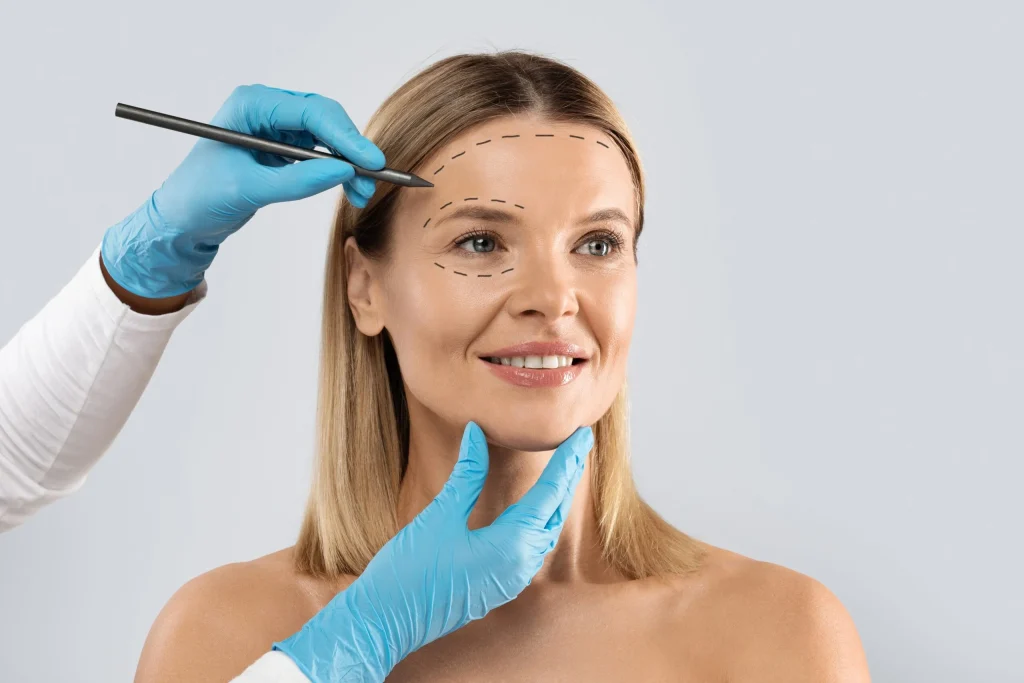
Deciding to undergo a cosmetic procedure is a major life event. Patients spend countless hours researching treatments, reading reviews, and looking at before-and-after photos to prepare themselves. However, one of the most critical steps is selecting the right medical professional for your specific needs. While many assume all cosmetic surgeons have identical training, there is a significant distinction between those operating on the whole body and those focusing solely on the face. Understanding this difference can drastically improve both patient safety and aesthetic outcomes.
The Scope of a General Plastic Surgeon
General plastic surgeons undergo comprehensive training to operate on nearly any part of the human body. Their education covers a broad spectrum of reconstructive and cosmetic procedures. This versatility means they are highly skilled at performing breast augmentations, tummy tucks, liposuction, and body contouring. Because their expertise spans the entire anatomy, they are often the ideal experts for post-weight loss surgeries or complex bodily reconstructions.
However, this broad focus means their daily practice involves dividing their skills across various anatomical regions. They might perform a rhinoplasty one day and a thigh lift the next. While fully qualified to perform facial procedures, the sheer breadth of their practice means they may not perform intricate facial surgeries as frequently as a dedicated specialist.
The Specialised Focus of a Facial Plastic Surgeon
In contrast, facial plastic surgeons dedicate their entire practice to procedures involving the head, face, and neck. These specialists typically complete a medical residency in otolaryngology (ear, nose, and throat surgery) or general plastic surgery, followed by a rigorous fellowship focused exclusively on facial aesthetics and reconstruction. This concentrated training is vital because the human face is incredibly complex.
The facial structure contains an intricate network of nerves, muscles, and blood vessels. A narrative review published by the National Institutes of Health highlights that surgical damage to the facial nerve is associated with serious complications. The study notes such injuries can cause foreign-body sensation and blurry vision in nearly 54 percent and 50 percent of patients, respectively. You can find more details in this review of surgical practices and anatomical challenges. This risk underscores why seeking out a highly qualified professional, such as a top Sydney facial plastic surgeon, is crucial for achieving safe and natural-looking results.
Why Anatomical Expertise Matters
The face requires an entirely different surgical approach than the rest of the body. A mistake of just a few millimetres can drastically alter a person’s appearance or impair vital daily functions like breathing and blinking. This is exactly why patients take extra care when researching facial treatments.
Just as understanding your options is vital when researching the difference between LASIK and PRK eye surgery for vision correction, finding a dedicated expert is necessary before committing to any facial enhancement. Specialised expertise is particularly important for several key reasons:
- Tissue Thickness: Facial skin is significantly thinner and more delicate than skin on the torso or limbs. This requires specialised suturing techniques to minimise scarring.
- Functional Preservation: Procedures like rhinoplasty or eyelid surgery must improve aesthetics while flawlessly preserving the patient’s ability to breathe comfortably and see clearly.
- Nerve Density: Navigating the dense web of facial nerves requires a surgeon who operates in this specific anatomical area every single day.
- Aesthetic Balance: The face is our primary tool for daily communication. Any surgical changes must harmonise perfectly with existing features to avoid an artificial look.
Making the Right Choice for Your Needs
When altering your appearance, knowledge is always your best asset. If you are considering a body procedure like a tummy tuck or breast lift, a board-certified general plastic surgeon is an excellent choice. Their broad understanding of body symmetry and tissue behaviour will serve you exceptionally well.
On the other hand, if you are looking to refine your nose, lift your eyelids, or undergo a facelift, a facial plastic surgeon offers a targeted level of expertise. When consulting with any prospective surgeon, ask about their specific training background. Inquire about how many times they perform your desired procedure each month. A specialist who focuses entirely on the face will have a deep, daily familiarity with facial anatomy, giving you the best possible chance for a beautiful and safe outcome. By understanding the difference between these two medical professionals, you can confidently take the next step in your aesthetic journey.