


Waking up and seeing the world clearly without reaching for glasses or contacts is a dream for many. If you are considering laser vision correction, you have likely come across two popular acronyms: LASIK and PRK. While both procedures aim to correct refractive errors like nearsightedness, farsightedness, and astigmatism, they take slightly different approaches to achieve that goal. Determining which method is right for you requires a thorough evaluation of your visual health and lifestyle. Booking a consultation with the best eye clinic in North California will help you understand your options and map out a customized treatment plan. Let us explore how these two advanced surgeries compare in detail and what you can expect during recovery.
How LASIK Works
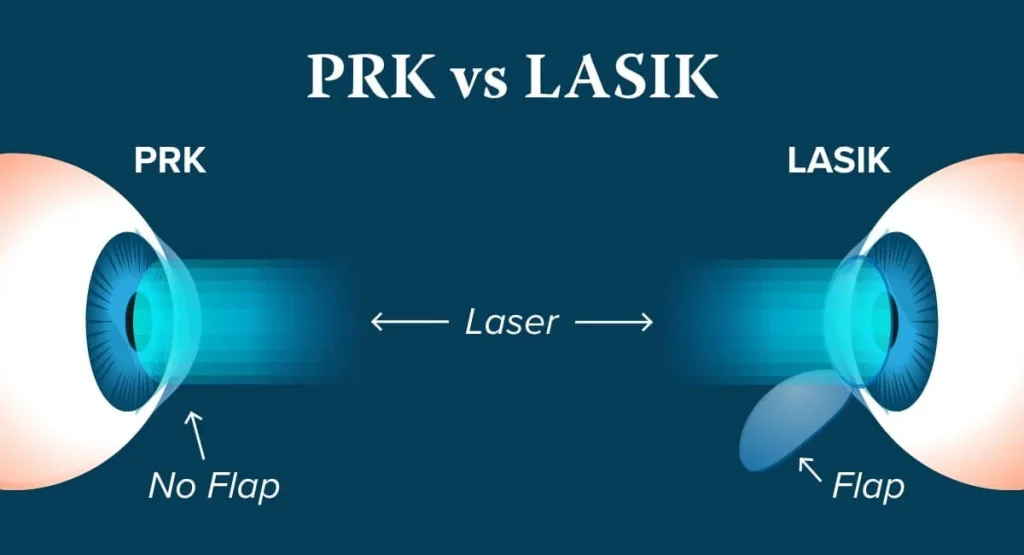
LASIK is the most widely known laser eye surgery available today. During the procedure, a surgeon creates a microscopic, hinged flap on the surface of the cornea. This flap is gently folded back to expose the inner layers, allowing a specialized excimer laser to reshape the underlying corneal tissue. Once the reshaping is complete, the flap is laid back into place, acting as a natural bandage that promotes rapid healing.
One of the main reasons for its popularity is its remarkable track record. According to data from the American Refractive Surgery Council, more than 96 percent of patients are satisfied with their LASIK outcome, and the rate of serious complications is well below 1 percent. Recovery is typically swift, with many patients experiencing significantly improved vision within 24 hours of leaving the clinic.
Understanding the PRK Approach
PRK predates LASIK and remains an excellent alternative for specific patients. Instead of creating a corneal flap, the surgeon completely removes the thin outer layer of the cornea, known as the epithelium. Once this surface layer is removed, the exact same highly precise excimer laser used in LASIK is deployed to reshape the deeper corneal tissue.
Without a flap to act as a bandage, the eye needs more time to heal while epithelial cells naturally regenerate. The surgeon places a soft contact lens over the eye to protect it during this initial healing phase. This process makes PRK a highly suitable option for individuals with naturally thinner corneas who might not have enough tissue for a traditional flap. It is also the preferred method for people who engage in high-impact contact sports where a corneal flap could potentially be dislodged during physical trauma.
Core Differences at a Glance
While both surgeries offer exceptional visual outcomes and rely on identical laser technology, the overall patient experience varies significantly. Here are the primary distinctions to keep in mind when comparing the two options:
- Recovery Timeline: LASIK patients often notice sharp vision the very next day. PRK patients usually wait a few days to a week for the protective contact lens to be removed, and their optimal vision can take several weeks to stabilize.
- Post-Operative Comfort: The flap created during LASIK minimizes discomfort and speeds up the healing process. Conversely, the epithelial removal required in PRK can cause mild irritation, tearing, and light sensitivity during the first few days of recovery.
- Anatomical Requirements: LASIK requires a certain level of baseline corneal thickness to safely create the surface flap. Patients who do not meet this strict thickness requirement are almost always better candidates for PRK.
The Importance of Professional Evaluation
Deciding between these two procedures is not a choice you have to make on your own. Just as routine preventive medical care is vital for your physical health, taking a proactive approach to your vision pays off in the long run. For example, understanding how general dentistry links preventive care to patient wellness highlights the immense value of catching potential issues early and consulting dedicated specialists regularly. The exact same philosophy applies to high-quality eye care and vision preservation.
An experienced ophthalmologist will evaluate your corneal thickness, pupil size, tear production, and overall eye health. They will also factor in your daily lifestyle, occupational demands, and hobbies. By combining diagnostic imaging with a deep understanding of your personal needs, a specialist can confidently recommend the procedure that will safely deliver the best results.
In the end, the main difference between LASIK and PRK comes down to the surgical technique and the expected recovery style. Both are highly effective methods for correcting your vision. By prioritizing a professional evaluation, you can step into a future of clear sight with absolute confidence.