


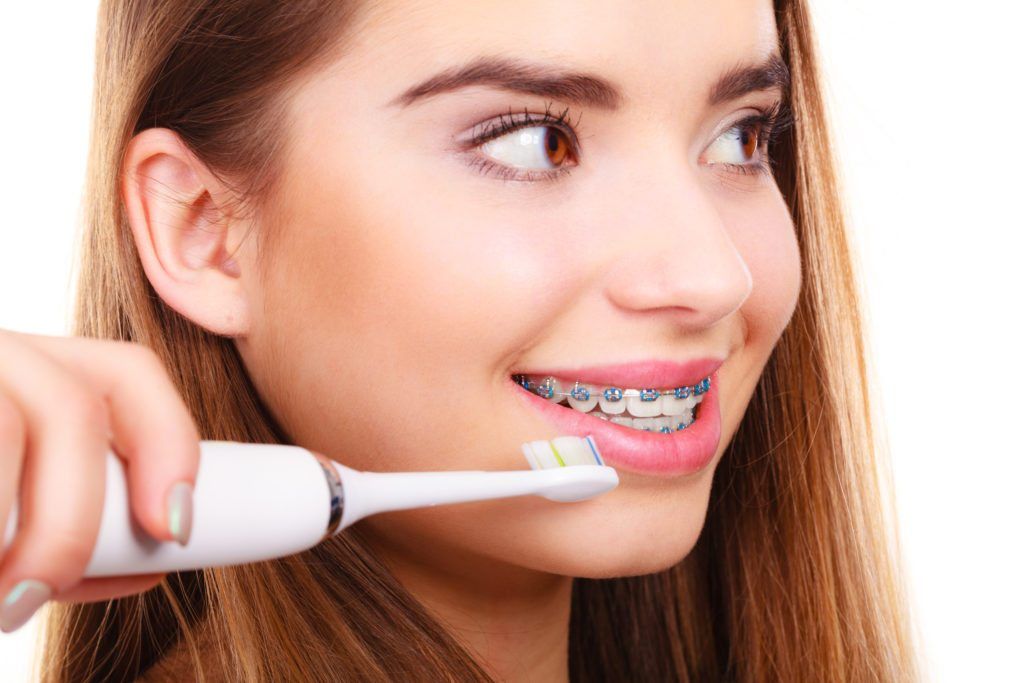
You might be looking at your child’s smile and wondering if those crooked baby teeth mean years of braces, appointments, and costs ahead. Maybe someone has already hinted that “you should get an orthodontic consult,” and now you notice every little gap, every overlap, every habit like thumb sucking or mouth breathing. A San Francisco cosmetic dentist can help you understand what’s normal and what might need attention. It can feel like you are already behind, even when you are doing your best.end
At the same time, you may have heard that early and steady preventive care can sometimes reduce how much orthodontic work a child needs later. That sounds hopeful, but also a bit vague. What does that really mean in everyday life for your family, your schedule, and your wallet.
Here is the simple idea. When a trusted family dentist and pediatric team watch the growth of your child’s teeth and jaws from infancy through the teen years, small problems are spotted early. Many of those can be guided, softened, or even avoided. That can mean shorter time in braces, simpler appliances, and in some cases, avoiding full orthodontic treatment altogether.
So where does that leave you. It means you have more influence than you might think. The choices you make about preventive care now can shape your child’s future smile in very real, practical ways.
Why do so many kids need braces, and what is really going on?
It often starts quietly. A baby tooth is lost too early from a cavity. A child keeps a pacifier or thumb habit a bit longer than expected. Allergies cause mouth breathing at night. None of these feel like an emergency, yet over time they can change how the jaws grow and how the permanent teeth line up.
The problem is not just appearance. Crowded or misaligned teeth are harder to clean, which increases the risk of cavities and gum problems. A deep overbite or crossbite can affect chewing, jaw comfort, and even speech. By the time these patterns are obvious, you are usually hearing the word “braces” along with a long timeline and a large price.
This is where the stress builds. Orthodontic treatment often means years of visits, missed school and work, and a serious financial commitment. Many parents wish they had known earlier that some of this could have been softened with steady preventive care and early guidance.
So the question becomes. Is there anything you can reasonably do now that might lower future orthodontic treatment needs, without turning your life upside down.
How can preventive care reduce future orthodontic treatment needs?
Think of preventive orthodontic care as guiding growth instead of waiting to fix what has already formed. A family dentist who follows your child from the first tooth can monitor jaw development, spacing, and habits during the years when bones are still very flexible.
For example, the American Academy of Pediatric Dentistry outlines how monitoring the developing bite, timing baby tooth loss, and using simple space maintainers when needed can support healthier alignment. You can see their guidance on managing growing teeth and jaws in pediatric patients in their policy on developing dentition and occlusion.
Here are a few very common “what if” situations.
What if a baby molar is lost early from decay. Without a small device called a space maintainer, nearby teeth may drift into the empty space. When the permanent tooth tries to come in, there is nowhere for it to go, so it erupts crooked or even trapped in the gum. A simple, early preventive step could avoid a much more complex orthodontic correction later.
What if a thumb sucking or pacifier habit continues well past age 3 or 4. The constant pressure can narrow the upper jaw and push front teeth outward. If this is noticed early, gentle behavior strategies, and sometimes small habit appliances, can help stop or soften the effect. That can reduce how much expansion or tooth movement is needed later.
What if a child mouth breathes due to allergies or enlarged tonsils. This can change head posture and jaw growth. A family dentist who sees this pattern may suggest a medical or airway evaluation. Treating the underlying cause can support healthier facial growth and reduce the severity of bite problems.
All of this lives within regular preventive visits. The American Academy of Pediatric Dentistry recommends age based schedules for exams, cleanings, fluoride, and guidance starting in infancy. You can review their periodicity recommendations for preventive dental services to see how this care is structured over the years.
How early is “too early” to start thinking about alignment and growth?
You might wonder if talking about braces when your child still has baby teeth is overreacting. It is not about putting braces on toddlers. It is about watching growth patterns from the very beginning.
Pediatric and family dental teams now support oral health starting even before the first tooth appears. There is clear guidance on perinatal and infant oral health, including how feeding, early hygiene, and parent habits affect the mouth. If you are curious about this early window, you can look at the AAPD’s recommendations on perinatal and infant oral health care.
By age 7, most children benefit from at least one orthodontic evaluation. At this age, a family dentist or orthodontist can see how the permanent front teeth and first molars are lining up and whether there are early bite issues. This does not always lead to early braces. Often it simply means closer watch and good timing for natural changes, which is a key part of reducing orthodontic treatment needs in the long run.
Preventive care vs waiting for problems: what is the real difference?
To make this more concrete, it helps to compare a “wait and see” approach with steady preventive and early guidance.
| APPROACH | WHAT TYPICALLY HAPPENS | IMPACT ON FUTURE ORTHODONTICS |
| Minimal preventive care, react to problems | Irregular checkups, treat cavities only when they hurt, limited monitoring of growth or habits | Higher chance of crowded teeth, lost space, and more complex braces that last longer and cost more |
| Consistent preventive care with growth monitoring | Regular cleanings, X rays when needed, early habit counseling, use of space maintainers or simple appliances | Better spacing, fewer severe bite issues, often shorter or simpler orthodontic treatment, sometimes avoiding full braces |
| Early interceptive orthodontic support | Targeted early treatments for serious bite problems, such as crossbites or jaw growth issues | Improves jaw balance while a child is growing, can prevent surgery later and reduce the time and complexity of teen braces |
Financially, preventive care visits are usually far less expensive than extended orthodontic treatment. Emotionally, children who grow up with regular, calm dental visits tend to feel less anxious when and if they do need braces or other appliances.
Three practical steps you can take right now
- Commit to a steady preventive schedule
If your child has not seen a dentist in the past six months, schedule a checkup with a trusted family dentist. Share your concerns about future alignment and ask specifically about growth, spacing, and habits. Regular visits allow small concerns to be caught when they are still easy to guide.
- Ask targeted questions about growth and habits
During visits, move beyond “Are there any cavities.” Ask questions like. Is my child losing baby teeth on schedule. Do you see any early crowding or bite issues. Are there habits such as thumb sucking, mouth breathing, or clenching that we should address now. This keeps the focus on long term development, not just today’s problems.
- Support healthy daily routines at home
Strong home care is part of family dental care that protects the space and health of every tooth. Help your child brush twice a day with fluoride toothpaste and floss once a day. Limit constant snacking and sugary drinks, since cavities can lead to early tooth loss and spacing problems. If you notice ongoing mouth breathing, snoring, or long standing pacifier or thumb habits, bring these up early with your dentist so you can work as a team on gentle solutions.
Moving forward with more confidence and less fear
If you are worried about braces and future costs, you are not alone. Many parents carry that quiet anxiety every time their child smiles. The good news is that you are not helpless. Thoughtful preventive care, regular family dentist visits, and early attention to growth and habits give your child a better chance at a healthy, balanced smile with less need for complex orthodontics.
You do not have to solve everything at once. Start with the next appointment. Ask a few more questions. Focus on small habits at home. Over time, these steady choices can make a real difference in your child’s comfort, confidence, and overall oral health.