
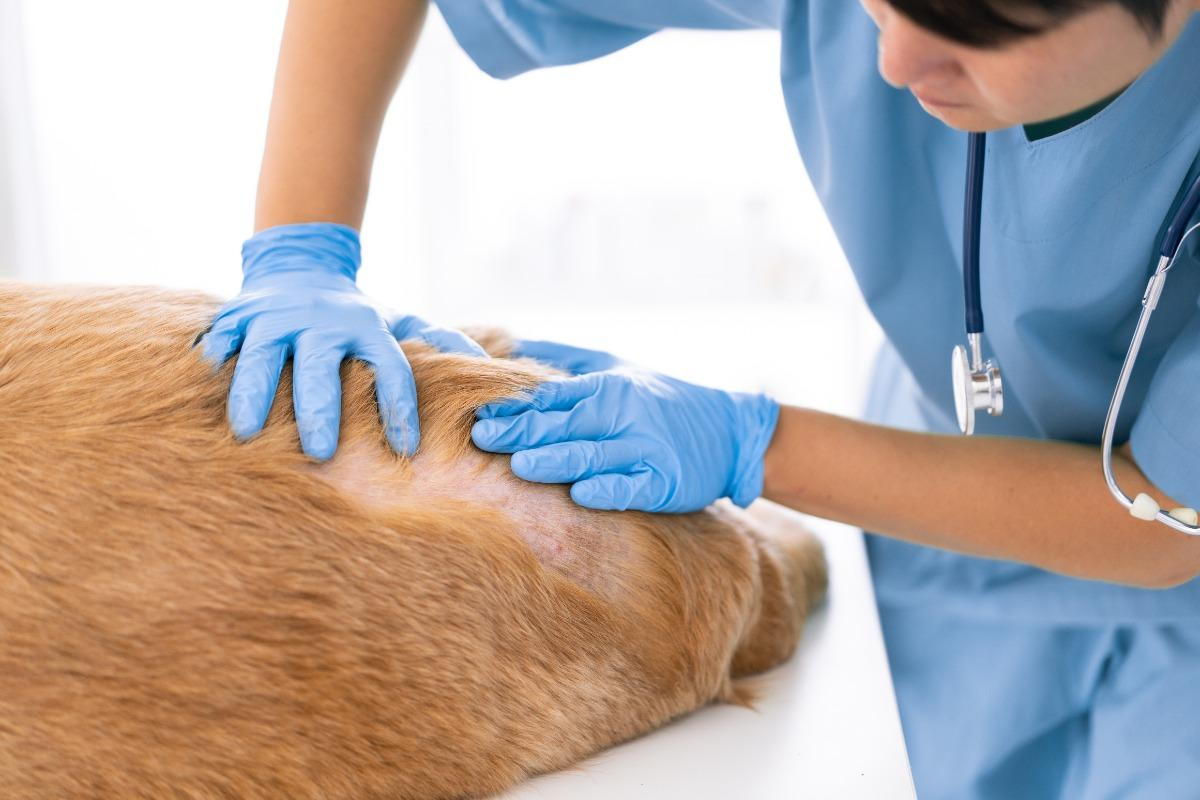

Your pet’s constant scratching, chewing, or licking is not a small issue. It can signal an allergy that causes real pain. You may try changing food or shampoo. You may search online and feel more confused. A veterinarian steps in with clear answers. In a veterinary clinic in Langley, BC a veterinarian uses a full health history, a nose to tail exam, and allergy tests to sort through the chaos of symptoms. This careful process helps separate allergies from infections or other hidden problems. It also guides safe treatment. Without this support, you might miss warning signs or use products that make things worse. This blog explains how veterinarians spot allergy patterns, choose tests, and build a plan that protects your pet’s skin, ears, and comfort. You deserve calm. Your pet deserves relief.
Why constant itching needs quick attention
Allergies in pets often start with small signs. You see a little scratching. You notice a red patch. You smell an odd odor from the ears. Then the problems grow.
You should seek help when you see:
- Scratching that interrupts sleep
- Licking paws until they stain or stay damp
- Head shaking or ear rubbing
- Red skin or hair loss
- Frequent soft stool or vomiting with other signs
These signs can come from allergies. They can also come from infections, parasites, or pain. That is why a veterinarian matters. Guesswork at home can hide a deeper cause.
How veterinarians sort through allergy symptoms
First, a veterinarian listens to you. You know your pet’s habits and triggers. Your story gives a starting map.
You can expect three steps.
- History. You share when the itching began, what seasons seem worse, what food your pet eats, and what products you use at home.
- Physical exam. The veterinarian checks skin, ears, paws, mouth, fur, and body weight. You may see them use a light and magnifier.
- Basic tests. Skin scrapings, ear swabs, and sometimes blood work help rule out mites, fleas, or infection.
This first visit already narrows the list. It shows whether the main suspect is fleas, food, or something in the environment.
Common types of allergies in pets
Most allergic pets fall into three groups. Some have more than one type at once.
| Type of allergy | Typical triggers | Common signs | Usual vet approach
|
|---|---|---|---|
| Flea allergy | Flea bites and flea saliva | Intense itch on back and tail base | Find fleas, start strict flea control, treat skin |
| Food allergy | Proteins in food such as beef or chicken | Year round itch, ear problems, possible stomach upset | Use a strict diet trial, then challenge foods |
| Environmental allergy | Pollen, dust mites, molds | Seasonal or year round itch, paw licking, red skin | Allergy testing, control of home triggers, allergy shots or drops |
This simple table hides a hard truth. These allergies can look the same to you. Only a structured plan shows which one hurts your pet.
The role of tests in allergy diagnosis
Veterinarians do not rely on one test. They build a picture from several pieces.
Common tools include:
- Skin scrapings and tape tests. These check for mites and yeast.
- Flea comb check. This looks for fleas or flea dirt.
- Cytology. The veterinarian presses a slide on the skin or ear. A lab or the veterinarian then checks for bacteria or yeast under a microscope.
- Diet trial. This is the only trusted way to confirm a food allergy. Blood tests for food are not reliable.
- Allergy testing for environmental triggers. Blood or skin tests help plan allergy shots. They do not diagnose food allergy.
According to the American Veterinary Medical Association a full workup is the safest path. Quick online fixes often fail because they skip these steps.
What a diet trial really means
Food allergy scares many families. You worry that your pet suffers every time they eat. A diet trial gives clear answers.
Your veterinarian will usually:
- Choose a special food with a new or broken down protein
- Have you feed only that food and approved treats for 8 to 12 weeks
- Check your pet often for changes in itch and skin
- Reintroduce old foods one at a time if your pet improves
This process takes time. It also needs strict rules. Even one snack outside the plan can blur results. Your veterinarian will guide you through each step so you do not feel alone.
Managing environmental allergies
If tests point to pollen or dust, you face a long term condition. You cannot remove every trigger. You can still give your pet a calmer life.
Your veterinarian may suggest:
- Regular bathing with gentle shampoo to rinse pollen from the coat
- Wiping paws after walks
- Using allergy shots or drops tailored to your pet’s test results
- Using medicines that control itch while protecting long term health
The VCA Animal Hospitals education pages explain that allergies often need life long care. Your veterinarian helps you balance comfort, cost, and safety.
How you can support the process at home
You play a strong role in diagnosis and care. Your choices at home can speed healing or slow it.
You can help by:
- Keeping a simple log of flare ups, food, and weather
- Following flea control steps for every pet in the home
- Giving medicines exactly as directed and not stopping early
- Calling your veterinarian if signs change or side effects appear
Clear notes and honest feedback let your veterinarian adjust the plan. This teamwork turns a scary problem into a controlled one.
When to seek help right away
Some allergy signs need fast care. You should call a veterinarian at once if you see:
- Swollen face or muzzle
- Hives or raised bumps on the body
- Sudden trouble breathing or collapse
- Open sores or bleeding from scratching
These signs can point to a strong reaction or severe infection. Waiting at home can lead to lasting harm.
Standing between your pet and needless suffering
Allergies do not just cause itch. They rob your pet of sleep, play, and peace. They also strain your own patience and worry.
A veterinarian stands between your pet and that suffering. Careful exams, smart tests, and clear treatment plans replace fear with control. You bring the daily care and love. Together you can give your pet a steady, safer life, even with allergies.