


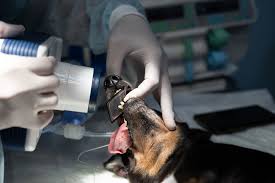
Healthy teeth matter for every pet. You may not see the damage hiding under the gums, but your pet feels it with every bite. That is where dental X rays and imaging at veterinary hospitals become crucial. These tools reveal cracked teeth, infections, and bone loss that a simple exam misses. They guide treatment. They reduce pain. They protect your pet’s heart, kidneys, and liver from silent infection. Many clinics now use digital images that appear in seconds. This means faster answers and less stress for your pet. Some hospitals, like Gardiner animal clinic, use dental imaging as a standard part of care, not a luxury. You deserve to know what is happening inside your pet’s mouth. This blog explains how veterinary teams use dental X rays, when your pet needs them, and what you should expect during a visit.
Why mouth health reaches far beyond the teeth
Table Contents
- Why mouth health reaches far beyond the teeth
- What dental X rays show that eyes cannot
- Common imaging tools in veterinary hospitals
- Why most pets need anesthesia for dental imaging
- How often do pets need dental X-rays
- What to expect during a dental imaging visit
- How you can protect your pet between visits
- When to ask for dental imaging
Dental disease hurts more than the mouth. Bacteria under the gums enter the blood and travel through the body. This can strain the heart and kidneys. It can weaken the immune system. It can shorten a life that should hold more simple joy.
Routine exams catch surface problems. Yet they cannot show the roots, the jaw bone, or hidden pockets of infection. That is where dental X rays change everything. They give a full picture so your veterinarian can act early. Early action means less pain, less cost, and less risk during treatment.
What dental X rays show that eyes cannot
Dental X rays use a small dose of radiation to create images of the teeth and jaw. The process is quick and safe when done by trained staff. These images often reveal three main problems.
- Root damage or resorptive lesions that cause sharp, sudden pain
- Bone loss from long term gum infection
- Hidden teeth that never broke through the gums
X rays also help confirm mouth cancer, jaw fractures, and tooth crowding. They show if a tooth can be saved or must come out. They also show if a past extraction healed or left behind root pieces that still hurt.
Common imaging tools in veterinary hospitals
Veterinary hospitals use different imaging tools for mouth care. Each tool answers a different question.
| Imaging type | What it shows | When it is used
|
|---|---|---|
| Intraoral dental X rays | Individual teeth, roots, nearby bone | Routine cleanings, tooth pain, extractions |
| Standard skull X rays | Overall jaw, nasal cavity, sinus changes | Trauma, severe swelling, deformity |
| Digital dental X rays | Same detail as film with faster images | Most modern cleanings and surgeries |
| CT scans | 3D view of bone, sinus, and jaw structure | Complex cancer, deep infection, surgery planning |
Digital systems store images in your pet’s medical record. This lets your veterinarian track changes over the years. It also allows easy sharing with dental specialists if your pet needs advanced care.
Why most pets need anesthesia for dental imaging
Clear dental X rays require stillness. Pets cannot understand “hold still and bite down.” Many also feel fear in a new space. Anesthesia solves these problems and protects both your pet and the staff.
During an anesthetic dental visit, the team usually follows three steps.
- Check blood work and heart function to reduce risk
- Use safe drugs and constant monitoring while your pet sleeps
- Take full mouth X rays, clean teeth, and treat disease in one visit
The American Veterinary Medical Association explains common anesthesia steps and safety checks in clear language at this resource. You can use it to prepare questions for your veterinarian.
How often do pets need dental X-rays
The right schedule depends on age, breed, and past mouth problems. Still, there are simple guideposts.
- Puppies and kittens often need at least one set of images to check tooth growth
- Adult pets usually need full mouth images during routine dental cleanings
- Senior pets or pets with past mouth disease may need X-rays more often
Your veterinarian will also suggest imaging when your pet shows warning signs. These signs include drooling, bad breath, pawing at the mouth, or dropping food. They can also include facial swelling and a sudden change in mood.
What to expect during a dental imaging visit
Knowing the steps helps you stay calm and helps your pet feel secure.
- Check in and review your pet’s history and medicines
- Physical exam and blood work if needed
- Anesthesia, monitoring, and full mouth X-rays
- Teeth cleaning above and below the gum line
- Treatment of problems such as extractions or gum surgery
- Recovery with warm blankets and close checks
- Written home care plan with pain control and food tips
Many hospitals invite you to look at the dental images on a screen. This can feel hard to see. It can also give you clear proof of what your pet has endured. It often builds trust when you see the same story your veterinarian sees.
How you can protect your pet between visits
Dental X-rays and imaging work best with simple daily care at home. You can take three strong steps.
- Brush your pet’s teeth with pet-safe paste most days of the week
- Use treats and rinses that carry the Veterinary Oral Health Council seal
- Schedule routine exams and cleanings before bad breath returns
The Veterinary Oral Health Council lists approved products on its website. This can help you avoid products that promise quick fixes without proof.
When to ask for dental imaging
You are your pet’s voice. You can ask clear questions.
- Will my pet receive full mouth dental X-rays during this cleaning?
- Can I see the images and have you explain the main findings
- How often do you suggest repeat imaging for my pet
Every pet deserves a mouth free from constant ache. Veterinary hospitals that use dental X-rays and imaging treat pain you cannot see. They do not just clean teeth. They protect organs. They restore comfort. They let your pet enjoy food, play, and touch without a hidden sting in every bite.