


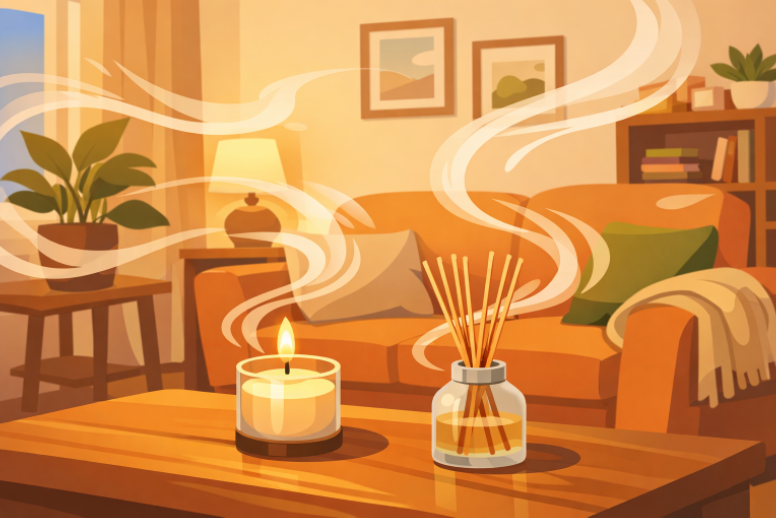
Our sense of smell is a powerful tool that influences emotions, memories, and even daily behaviors. Incorporating the right fragrances into living spaces can dramatically transform the ambiance, making homes feel more inviting, comforting, and personalized. For those wanting to introduce this transformative element, exploring a candle making kit is a wonderful place to start, allowing for both creativity and a customized aromatic experience.
Scents play an important role in shaping the mood and identity of a room, seamlessly integrating with other design elements such as lighting, color, and texture. Studies have shown that our olfactory system directly impacts psychological well-being, creating benefits far beyond superficial decoration. Understanding the connection between aroma and emotional response is essential for anyone seeking to cultivate a harmonious, welcoming home.
In recent years, the art and science of home scenting has gained momentum, with people curating their living areas through carefully chosen fragrances. This trend is not just about pleasant aromas; it is about harnessing the chemistry of scent to create spaces that nurture relaxation, productivity, and joy for everyone inside. When thoughtfully applied, home fragrances can even serve as gentle cues that support daily routines and healthier lifestyles.
Whether you are looking to refresh a single room or revamp your entire living environment, understanding the fundamentals of home fragrance will help you make informed and meaningful choices. Acting as an invisible design element, scent enhances the overall sensory experience of your space in ways that other decor cannot.
The Psychology of Scent
The human sense of smell is closely tied to the limbic system of the brain, which controls emotions, behavior, and memory. This unique link is why certain fragrances can quickly evoke vivid emotions or memories. For instance, the scent of pine may instantly transport you to a family holiday, while a whiff of jasmine might recall a favorite garden from childhood. Psychologists have found that harnessing these sensory triggers within our homes can make everyday life feel more rewarding and grounded. Research consistently supports the notion that pleasant aromas can reduce stress and enhance overall well-being.
Scentscaping Your Home
Scentscaping is the intentional practice of using fragrances to differentiate and enhance the character of specific rooms. This approach helps to establish distinct moods that reflect each area’s function and atmosphere. For example:
- Living Room: Warm, inviting scents such as vanilla or sandalwood encourage relaxation and sociability.
- Kitchen: Fresh, clean notes like citrus, basil, or rosemary counteract cooking odors and support a bright environment.
- Bedroom: Tranquil aromas, including lavender, chamomile, or cedarwood, are well-known for boosting restfulness and deeper sleep.
This tailored approach not only enhances comfort but also supports functional transitions between activities and spaces throughout the day.
Choosing the Right Fragrances
Picking the ideal scent for each area may require experimentation and reflection. Key considerations include the purpose of the room, among others:
- Identify Desired Moods: Decide what emotional tone you want for each space, such as calmness for bedrooms or energy for workspaces.
- Test Scents: Try sample sets to see which fragrances genuinely resonate with household members and support the intended atmosphere.
- Consider Seasonality: Opt for florals, greens, and aquatic scents during spring and summer; choose woods, spices, and resins in the cooler months to create a rich, comforting environment.
Letting the season influence your scent choices can help keep your home environment dynamic and attuned to both nature and mood.
Methods of Dispersing Fragrance
There are several effective ways to bring fragrance into your home, each suiting different preferences and needs:
- Scented Candles: Combine gentle lighting with a wide array of aromas, though they require care while burning.
- Reed Diffusers: Continuously emit fragrance without needing heat or electricity; ideal for long-term subtle scenting.
- Essential Oil Diffusers: Use ultrasonic or air-pressurized methods to disperse pure botanical oils into the air for a clean, beneficial aroma.
- Room Sprays: Provide an instant burst of freshness, perfect for addressing odors or quickly setting a new mood before guests arrive.
The chosen method should match your lifestyle, safety considerations, and any specific health sensitivities within the household.
Potential Health Considerations
Many fragranced products contain ingredients that can aggravate allergies or contribute to indoor air pollution if used excessively or chosen unwisely. It is essential to opt for natural, non-toxic ingredients whenever possible and regularly ventilate your home by opening windows or using air purifiers. Always read product labels to avoid potentially harmful chemicals such as phthalates or synthetic musks, which have been linked to respiratory and skin sensitivities. For those with severe allergies or asthma, unscented or hypoallergenic options may be the safest choice. If in doubt, consult reliable health resources for product safety and recommendations.
Conclusion
Incorporating fragrance into your home is more than an aesthetic choice; it is an evidence-backed strategy for influencing mood, triggering cherished memories, and building a sanctuary that expresses personal style. By understanding the psychology of scent, practicing mindful scentscaping, and choosing both safe and enjoyable dispersal methods, you can transform your living space into a nurturing, multisensory haven.