


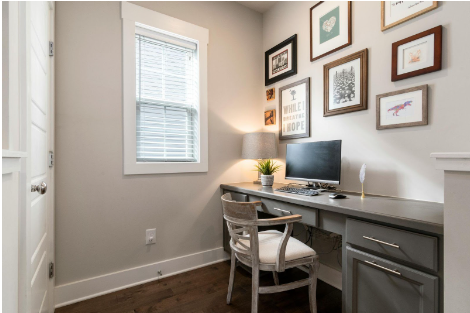
Your office should encourage creativity and productivity for smooth workflows. Messy offices can be distracting and unfocused. A cluttered office, heaps of paper, or a sticky note-filled desk hinder corporate productivity.
Use our office organisation strategies to improve productivity and speed!
Why Organise Your Office?
Organising your workspace will help you focus and clear your mind. Both physical and digital workplaces should be organised to provide easy access to important files. Focus on one area at a time each day until your office is organised to your liking. Saving your to-do list for office organisation day may cause your job to suffer. Maintain a routine and make organisation a habit.
Workspace Organisation Tips:
-
Empty Your Desk
Wipe down everything on your desk and use a cleaning solution if needed. Sanitise the desk and let it dry before rearranging just essentials. Keep essential office supplies on your desk and trinkets away from work in a steel cabinet. Keep your desk stuff organised with containers, trays, or desktop organisers. Labelling each organisation basket with its contents provides a continuous organising aid.
-
Keep Drawers Tidy
Organisers and baskets can help keep drawers tidy. Files, folders, and documents can be stored in drawers and filing cabinets for current and completed tasks.
-
Assign Tasks to Every Work Area
Your desk is your workspace. Binders and a cabinet could be your reference area, and drawers and shelves could be your immediate supply area. Set up each workspace with the necessary resources. Separating areas by usage helps you see where office supplies go.
-
Keep Essentials Nearby
Walking to get office supplies wastes time you could employ for more productive tasks. Staplers, tape, scissors, and other daily work supplies should be close at hand. Always have multi-colored pens, signature pens, and a pencil or two for short notes.
-
Set Up a Coded Filing System
Labelling documents is crucial for efficient office organisation, as outdated files can be difficult to find. Utilising colours or simple codes can simplify labelling and make filing easier.
-
Remember Digital Files
Both your real and digital offices need organisation. Like your real documents, label your digital files. Where feasible, colour-code these files. As your organisation grows, you may need secure cloud storage for your files.
-
Utilise Task Management Tools
Utilise free online tools and apps like Google Calendar and Gmail to organise your to-do list and remind you of crucial dates, making your schedule more efficient and organised.
-
Utilise Free Wall Space
Office walls can serve multiple purposes, including storing supplies, keeping a calendar, and organising notes and papers on cork boards.
-
Arrange Wires, Chargers, and Cables
Use wire, charger, and cable desk organisers. Over time, these wires can be distracting, off-putting, and damaging. Use clips or hooks to organise cables. Find an unusual spot to hang a wire organiser for convenience.
-
Install Open Shelving
Open shelves in office spaces provide easy access to essential supplies, but they may require frequent cleaning due to dust accumulation. They can also store extra items.
Bonus: Repetitive Task Automation
Automating processes like scheduling meetings and refilling office supplies saves time for more vital duties. This also ensures you never miss any recurring tasks you may have overlooked.
Organising your office provides a terrific atmosphere, helps you focus on the next big idea, or builds something new. Implement these suggestions today to elevate your office productivity.