


Americans love talking about “American values.” But which values? Ask someone from Alabama and someone from Oregon what defines America, and you’ll get different answers. The country is huge, diverse, and full of competing ideas about what matters.
Want to see those differences mapped out? Look at state mottos. Each state picked a phrase—usually in Latin, sometimes in English—that captures its core philosophy. Put them all together and you get a fascinating picture of how different regions think about freedom, duty, progress, and identity.
Where Philosophy Lives
I started exploring this on USASymbol.com, which has detailed information on every state’s symbols. The US state mottos page became particularly interesting because mottos aren’t about nature or history—they’re about values and worldview.
Some mottos are bold declarations. Others are quiet hopes. A few are honestly weird. But each one tells you what that state wants to believe about itself.
Freedom Has Different Flavors
New Hampshire says “Live Free or Die.” That’s not “we value freedom” or “freedom is important.” It’s an ultimatum. Death before submission. That motto came from a Revolutionary War general and the state never softened it.
Compare that to Massachusetts: “Ense petit placidam sub libertate quietem” (By the sword we seek peace, but peace only under liberty). Similar theme—freedom matters—but the tone is completely different. Massachusetts is negotiating, explaining conditions. New Hampshire is making threats.
Virginia went with “Sic Semper Tyrannis” (Thus Always to Tyrants). That’s the line John Wilkes Booth shouted after shooting Lincoln, which makes it awkward, but Virginia kept it. The state seal shows a woman with her foot on a defeated king. It’s aggressive symbolism for “we don’t accept authority.”
Then you have Rhode Island: “Hope.” Just one word. Not “we hope for freedom” or “hope conquers all.” Just hope. After listening to New Hampshire threaten death and Virginia stomp on kings, Rhode Island’s quiet optimism feels refreshing.
The Work Ethic Divide
Some states obsess over labor and perseverance. West Virginia has “Montani Semper Liberi” (Mountaineers Are Always Free), which sounds like it’s about freedom, but it’s really about toughness. Mountain people work hard and don’t quit. That’s the message.
Utah says “Industry.” Not “we value industry” or “through industry we prosper.” Just the word. One-word mottos are bold—they’re saying this concept needs no explanation or justification.
Kansas picked “Ad Astra per Aspera” (To the Stars Through Difficulties). That’s a state acknowledging that life is hard but you push through anyway. It’s honest about struggle in a way tourism campaigns never are.
Meanwhile, Hawaii went with “Ua Mau ke Ea o ka ʻĀina i ka Pono” (The Life of the Land Is Perpetuated in Righteousness). That’s a completely different worldview. It’s not about individual effort or freedom—it’s about collective responsibility and doing right by the land itself.
Some States Got Weird
Kentucky’s motto is “United We Stand, Divided We Fall.” Solid advice, but also the title of a 1960s song and a common phrase. It’s not particularly unique to Kentucky. Why pick something so generic?
Washington State has “Al-ki,” a Chinook word meaning “bye and bye” or “eventually.” That’s… not inspiring? It’s basically saying “things will happen eventually.” Imagine that on motivational posters.
Indiana chose “The Crossroads of America” because highways intersect there. That’s not philosophy—that’s geography. It’s like picking “We Have Good Soil” or “Located Near Water.”
Latin Versus English
Most states picked Latin mottos because Latin sounds official and timeless. But the English ones are more interesting because they’re direct.
Alaska: “North to the Future.” That’s Alaska saying it’s not the frontier of the past, it’s the frontier of what’s coming. Forward-looking, optimistic, a bit defiant about being taken seriously.
Minnesota: “L’Étoile du Nord” (The Star of the North). Wait, that’s French, not English. Minnesota went French because of its fur-trading history. It’s one of only two states with a French motto—the other is Maine (“Dirigo,” which is actually Latin for “I lead,” so never mind).
California has “Eureka” (I Have Found It), referring to the Gold Rush. It’s Greek, technically, but everyone knows the word. It captures the California spirit—discovery, sudden wealth, new beginnings. Still fits 175 years later.
What Patterns Emerge
Western states tend toward progress and future-orientation: “Oro y Plata” (Gold and Silver) in Montana, “Industry” in Utah, “North to the Future” in Alaska. These were frontier territories that became states relatively recently. They’re still defining themselves.
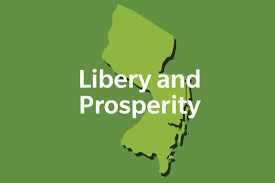
Eastern states reference war and independence: “Virtue, Liberty, and Independence” in Pennsylvania, “Liberty and Prosperity” in New Jersey. These states fought the Revolution. That’s still their core identity.
Southern states… well, some of them are complicated. They often reference honor, heritage, and states’ rights in ways that carry historical baggage. Mississippi changed its flag in 2020 but kept its motto: “Virtute et Armis” (By Valor and Arms). The sword imagery remains.
Why This Matters Now
These mottos aren’t just historical curiosities. They’re active statements. State governments print them on seals, flags, and official documents. Courts have them carved above doorways. School kids memorize them.
When you understand what each state claims to value, you understand political differences better. You see why certain policies work in some states but not others. You get why people from different regions think past each other in national debates.
Use This for Perspective
Next time there’s a national argument about freedom, security, or progress, check what mottos the arguing states have. Often they’re debating from fundamentally different philosophical starting points that go back to their founding.
State mottos are America’s competing value systems made visible. Most people never think about them. But they’re there, embedded in how regions see themselves and what they think the country should be.