


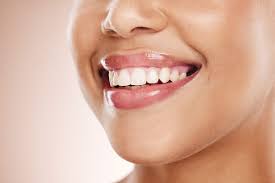
Your smile tells a story long before you speak. A cosmetic dentist studies that story in a careful smile analysis before any treatment. You may want brighter teeth, straighter teeth, or a full change. First, the dentist needs to see how your teeth, gums, and lips work together. This protects you from rushed work that chips, fails, or looks fake. It also helps you avoid regret. During a smile analysis, the dentist checks tooth shape, color, spacing, and bite. The dentist also studies how much gum shows, how your lips move, and how your face looks at rest and when you smile. Every step has a purpose. The goal is a natural smile that fits your face and your life. Whether you plan on veneers, whitening, or Invisalign Fresno, a strong smile analysis guides every safe and smart choice.
Why a Smile Analysis Comes Before Any Treatment
A smile analysis is not extra. It is the first step that protects your health, time, and money. Many problems hide under the surface. Quick fixes often crack, stain, or fail. Careful planning lowers the risk of pain and repeat work.
A dentist uses a smile analysis to answer three hard questions.
- Can your teeth and gums stay healthy during and after treatment
- Will the change fit your face and age
- Will your bite stay strong and stable
Only when these answers are clear can a dentist plan safe whitening, bonding, veneers, crowns, or clear aligners.
What Dentists Study in Your Teeth
Your teeth do more than show when you smile. They cut food, support your lips, and guide your jaw. A dentist studies three simple parts.
- Shape. Short, long, flat, or sharp teeth send very different signals. The dentist checks if the shape matches your age and face.
- Color. The dentist compares your teeth to shade guides. Surface stains often clean well. Deep stains may need stronger care.
- Spacing. Gaps and crowding affect your bite and cleaning. Tight spots trap food. Wide gaps can change speech.
The dentist also looks for cracks, wear, and large fillings. These weak points often break under new pressure. Care must come in the right order. Often health work comes first. Looks come second.
For more on tooth health and decay, you can read this guide from the National Institute of Dental and Craniofacial Research.
What Dentists Study in Your Gums
Healthy gums keep your teeth in place. They also frame your smile. Red, swollen, or bleeding gums can signal infection. If a dentist covers sick gums with veneers or crowns, the work often fails.
During a smile analysis, the dentist checks three gum features.
- Color and contour. Healthy gums look firm and even around each tooth.
- Height. Uneven gum lines make teeth look crooked even if they are straight.
- Smile line. A wide “gummy smile” can draw the eye away from your teeth.
Gum treatment may need to come first. Cleaning, scaling, or other care can calm an infection. Only then is it safe to plan long-lasting cosmetic changes.
What Dentists Study in Your Bite and Jaw
Your bite is how your upper and lower teeth meet. A poor bite does more than chip teeth. It can strain jaw joints and muscles. It can also cause headaches and cracked dental work.
During a smile analysis, a dentist checks three bite signs.
- How your teeth touch when you close fully
- How your teeth slide when you move side to side or forward
- Any pain, popping, or tightness in your jaw joints
Sometimes, clear aligners or braces are needed before veneers or bonding. This can feel slow. It often prevents broken work and sore joints later.
What Dentists Study in Your Lips and Face
Your smile does not sit alone. It sits in your face. A dentist studies how your lips move when you talk, laugh, and rest. The dentist also looks at your nose, chin, and cheeks from the front and side.
Common questions include these three.
- Do your front teeth support your lips or let them sink inward
- Do your teeth show when your face rests or only when you smile wide
- Does your smile look balanced from left to right
Small changes in tooth length or position can shift how your lips sit. This can soften deep lines or give more support. Careful study prevents a stiff or fake look.
Key Smile Features Dentists Compare
The table below shows common smile features and what dentists often look for. These are general guides. Your needs may differ.
| Smile Feature | What Dentists Often Prefer | Why It Matters
|
|---|---|---|
| Tooth Color | Light, natural shade that matches skin tone and age | Prevents a fake look and supports self-trust |
| Tooth Length | Front teeth slightly longer than side teeth | Adds clear edges and helps with speech |
| Midline | Center of upper teeth close to center of face | Keeps your smile from looking tilted |
| Smile Arc | Edges of upper teeth follow curve of lower lip | Gives a smooth and calm look |
| Gum Display | A small strip of gum or only teeth showing | Focuses the eye on the teeth, not the gums |
| Bite Contact | Even contact on both sides when you close | Shares chewing force and protects teeth |
Photos, X Rays, and Digital Scans
A smile analysis often uses photos, X rays, and digital scans. Each tool answers a different question.
- Photos show how your teeth, gums, lips, and face work together.
- X rays show roots, bone levels, and hidden decay.
- Scans or molds let the dentist study your bite from all sides.
These records help plan safe steps. They also give a clear “before” view. That way you can see real change, not just memory.
How Your Goals Shape the Plan
A smile analysis is not only about what the dentist sees. It is also about what you feel. You might want three main things.
- Whiter teeth
- Straighter teeth
- New shape or size
During the visit, you should point to what you like and what you want to change. Clear goals help the dentist weigh options. Sometimes a simple treatment meets your goal. Other times, a mix of whitening, straightening, and reshaping works better and lasts longer.
Questions to Ask During Your Smile Analysis
Your voice matters. You can ask direct questions.
- What must happen first to protect my health
- What are three choices for my main concern
- How long will each choice last if I care for it well
- What are the risks if I skip or rush steps
Clear answers help you feel calm and prepared. A careful smile analysis is not about chasing perfection. It is about safe changes that fit your face, your health, and your daily life.