
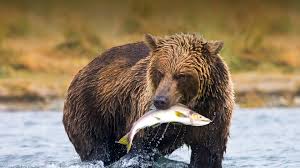

Brown bears look huge and fierce, yet their meals are often simple and familiar. You might picture them tearing into meat every day. In truth, you are more likely to see a brown bear digging for roots or berries. This mix of foods keeps them alive through long winters and harsh storms. It also shapes how they move, where they sleep, and how they raise cubs. When you visit places like Yellowstone Bear World, you see only a moment in their long search for food. This search can bring them close to roads, camps, and trash. It can also pull them across rivers and up steep slopes. When you know what a brown bear eats, you understand how your choices affect its chances to survive. You also gain a clearer picture of how wild land stays healthy.
The Three Main Parts of a Brown Bear Diet
Table Contents
You can think about a brown bear’s menu in three simple groups. Plants. Insects. Meat and fish. The mix changes by season and by place. Yet the pattern stays clear. Brown bears eat what is easiest to find and what gives the most energy for the work they do.
- Plants. Grasses, roots, bulbs, nuts, and many kinds of berries.
- Insects. Ants, bees, wasp larvae, and beetles.
- Meat and fish. Salmon, other fish, small mammals, dead animals, and sometimes larger prey.
The NWF explains that brown bears, including grizzlies, are omnivores that eat many plants and animals through the year. You can read more on the USGS grizzly bear diet page.
How Seasons Change What Brown Bears Eat
Brown bears live by the seasons. Their bodies slow down in winter. Their bodies speed up in spring, summer, and fall. Food choices follow that same rhythm.
Spring
When bears wake from winter, they feel deep hunger. Snow still covers much of the ground. New plants start to grow in sunny spots. In spring you see brown bears:
- Grazing on fresh grass and sedges.
- Digging roots and bulbs where the soil has thawed.
- Feeding on dead animals left from winter.
Spring food is soft and easy to digest. It gets their stomach moving again after many months of sleep.
Summer
Summer is the season of choice. Plants are thick. Insects are common. In coastal and river areas, salmon runs start. During summer, brown bears:
- Eat many berries such as huckleberries and blueberries.
- Strip leaves and shoots from shrubs.
- Raid ant nests and logs for insects and larvae.
- Catch fish where runs are strong.
This period sets the base for weight gain. Bears start to rebuild fat. Yet the real push comes later.
Fall
Fall is an emergency rush for calories. Winter is close. A brown bear must build thick fat stores. In fall, bears often eat almost nonstop. You might see a bear:
- Feeding for many hours in rich berry patches.
- Catching salmon again and again in rivers.
- Searching for nuts like acorns or pine nuts where they exist.
Scientists call this phase hyperphagia. That word means “eating in overdrive.” The goal is simple. Gain enough fat to sleep through winter and still have energy to wake up.
What Brown Bears Eat Most Often
Movies often show brown bears as constant hunters. Real life looks different. Plants are usually the base of their diet. Meat and fish often give more calories per bite. Yet those foods are not always present.
Common Brown Bear Foods by Type
| Food Type | Examples | Season When Most Common
|
|---|---|---|
| Grasses and herbs | Grasses, sedges, clover | Spring and early summer |
| Roots and bulbs | Hedysarum roots, bulbs, tubers | Spring and fall |
| Berries and fruits | Huckleberries, blueberries, raspberries | Summer and fall |
| Insects | Ants, bees, larvae, beetles | Summer |
| Fish | Salmon, trout, char | Summer and fall |
| Mammals and carrion | Deer, elk calves, rodents, dead animals | Spring through fall when found |
The National Park Service notes that many grizzly bears in places like Yellowstone still get most of their calories from plants and insects. You can see more detail on the NPS grizzly bear information page.
How Brown Bears Find Their Food
Brown bears use three main tools to find food. Nose. Claws. Memory.
- Nose. A brown bear can smell food from far away. It can sense a dead animal or a berry patch long before you can see it.
- Claws. Strong claws help them dig roots, tear logs for insects, open nests, and pull apart carcasses.
- Memory. Bears remember where food was good in past seasons. They return to the same slopes, rivers, and meadows year after year.
You might see shallow pits where a bear dug up roots. You might see rolled logs that show a search for ants. You might see scratched tree trunks near good feeding grounds. All of this shows a life built around food.
Why Human Food Puts Bears at Risk
When you leave food out, a bear notices. It might start to link people with easy meals. Trash cans. Coolers. Pet food. Bird feeders. All of these can pull a bear close to homes and camps.
Once a bear learns that human spaces mean food, it may keep coming back. That creates danger for you and the bear. Wildlife staff may need to move the bear or kill it. The old saying “a fed bear is a dead bear” comes from many hard cases.
You can protect bears and people by following three steps.
- Store all food and trash in bear proof containers where rules require it.
- Clean cooking spots and grills so no grease or scraps stay behind.
- Stay away from any bear that is feeding, even if it seems calm.
What You Can Teach Children About Brown Bear Diets
Children often feel wonder when they see a bear. You can use that moment to teach respect. You can share three simple points.
- Brown bears eat many of the same foods you eat. Berries, nuts, fish, and meat.
- Bears need quiet space to find these foods without fear.
- When people leave food or trash out, bears can get hurt.
When children see how hard a bear works to eat enough before winter, they start to see wild land as more than a backdrop. They see it as a shared home that needs care.
Closing Thoughts
A brown bear’s diet may look simple at first. Plants. Insects. Meat and fish. Yet the pattern of that food shapes every step it takes. When you understand what a brown bear eats, you see why clean rivers, rich forests, and careful human choices matter each day. You also see your own role in giving these powerful animals a fair chance to feed, rest, and raise cubs in peace.