


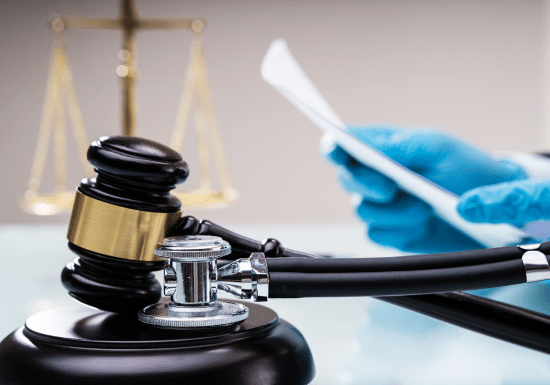
Medical care can involve difficult decisions, known risks, and unexpected complications. Still, some harmful outcomes may result from care that fell below an accepted professional standard. Understanding the difference is important for patients and families considering next steps. For general information about evaluating a possible claim, readers may visit this medical malpractice information page or cfcklaw.com for additional educational resources.
Medical malpractice is a type of negligence claim involving a healthcare professional or organization. It is not established simply because treatment did not work, a diagnosis changed, or a patient experienced a serious complication. Generally, the evidence must show that a provider’s conduct was unreasonable under the circumstances and that the failure caused measurable harm.
What Medical Malpractice Means
Medical malpractice occurs when a doctor, nurse, surgeon, pharmacist, hospital, or other healthcare professional provides care that does not meet the applicable standard of care, and that lapse in care causes injury. The legal question is usually not whether another provider would have handled every detail differently. Instead, it is whether a reasonably careful provider with similar training would have acted differently in the same or similar circumstances.
Patient safety concerns can arise in many care settings, including hospitals, urgent care centers, pharmacies, nursing homes, physician offices, and telehealth visits. The Agency for Healthcare Research and Quality’s patient safety resources provide useful background on the systems and practices intended to reduce preventable harm.
Examples of Possible Medical Malpractice
Claims can involve many types of alleged errors. A concerning event still requires careful review, because an unfortunate outcome may occur even when appropriate care was provided.
Common Allegations
- Failure to diagnose or a delayed diagnosis of a condition that should have been identified sooner.
- Surgical mistakes, such as operating on the wrong site or leaving a foreign object inside a patient.
- Medication errors involving the wrong drug, dosage, patient, route, or warning about interactions.
- Failure to monitor a patient after surgery, childbirth, anesthesia, or administration of high-risk medication.
- Failure to order, review, communicate, or act on important test results.
- Inadequate informed consent when material risks or alternatives were not properly explained.
The Four Elements That Must Be Proven
Although wording varies by jurisdiction, a medical malpractice claim generally depends on four connected elements. If one is missing, a claim may not succeed.
- Duty: The provider owed the patient a professional duty of care. This often begins when a treatment relationship is formed.
- Breach: The provider failed to meet the applicable standard of care through an action or omission.
- Causation: The breach was a substantial factor in causing the patient’s injury or worsening the outcome.
- Damages: The patient suffered legally recognizable losses, including additional treatment costs, lost income, disability, pain, or death.
How the Standard of Care Is Determined
The standard of care is based on what a reasonably competent professional with comparable training would likely have done in similar circumstances. It is not always a single written rule. The analysis may consider the patient’s symptoms, medical history, available information, urgency of the situation, clinical guidelines, hospital policies, and accepted practices within the relevant specialty.
Expert witnesses are often needed to explain this standard. For example, a qualified specialist may review the chart and explain whether a doctor should have ordered imaging, referred the patient to another provider, adjusted medication, or responded sooner to worsening symptoms. The opposing side may offer its own experts, so cases can involve competing medical opinions.
Evidence Used to Prove a Claim
A strong case is built on reliable documentation rather than assumptions. Medical records may include provider notes, nursing notes, lab results, imaging studies, medication administration records, consent forms, discharge instructions, appointment logs, portal messages, and billing documents. Patients generally have important rights to inspect and request copies of records held by covered providers and health plans under HHS guidance on medical records access.
Helpful Documentation
- A dated timeline of symptoms, appointments, test results, and instructions.
- Photos of visible injuries or changes in condition, when appropriate.
- Prescription labels, medication containers, receipts, and discharge paperwork.
- Names and contact information for people who observed important events.
- Proof of medical expenses, missed work, travel costs, and other financial losses.
Why Causation Is Often the Hardest Issue
Even when a provider made a mistake, the patient must usually prove that the mistake caused actual harm. This can be difficult when the patient already had a serious illness, several medical conditions, or a poor prognosis. The defense may argue that the injury would have occurred anyway or that earlier treatment would not have changed the result.
For that reason, experts may compare what occurred with what likely would have happened if appropriate care had been given. A delayed cancer diagnosis, for instance, may require evidence that an earlier diagnosis would probably have allowed less invasive treatment, improved survival prospects, or prevented additional injury.
Damages in a Medical Malpractice Case
Damages are the losses connected to the injury. They may include past and future medical bills, rehabilitation, home care, lost wages, reduced earning capacity, physical pain, emotional distress, disability, disfigurement, and loss of enjoyment of life. In a wrongful death case, certain surviving family members may have claims under state law.
State rules can affect which damages are available, whether limits apply, and what evidence is required. A consultation can help a patient or family understand the rules that apply to their location and circumstances.
What to Do After a Suspected Medical Error
Health and safety should come first. Seek prompt medical attention for severe, sudden, or worsening symptoms, and consider a second opinion when the diagnosis or treatment plan is unclear. Preserve original records and medication containers, but do not alter the documents.
Next, create a factual timeline, request complete records, and write down focused questions for the healthcare team. Avoid assuming malpractice before the facts are reviewed, but do not wait indefinitely if serious harm occurred. Deadlines for medical malpractice claims can be strict and vary substantially by state, so timely state-specific legal guidance may be important.
Conclusion
Medical malpractice is proven through more than a disappointing outcome. A patient must generally show that a healthcare provider owed a duty, departed from the accepted standard of care, caused an injury, and produced measurable damages. Careful recordkeeping, qualified expert review, and prompt attention to medical and legal deadlines can help patients and families make informed decisions after a suspected medical error.