


Key Takeaways
- Get out of immediate danger only if moving will not worsen an injury.
- Call 911 when anyone is hurt, a vehicle is involved, or the situation is unsafe.
- Seek medical attention promptly, even if symptoms initially seem minor.
- Document the scene, involved people, witnesses, injuries, and damaged property.
- Preserve the bicycle, helmet, clothing, and digital records in their post-crash condition.
- Be accurate with insurers, but do not guess about fault, speed, or the severity of an injury.
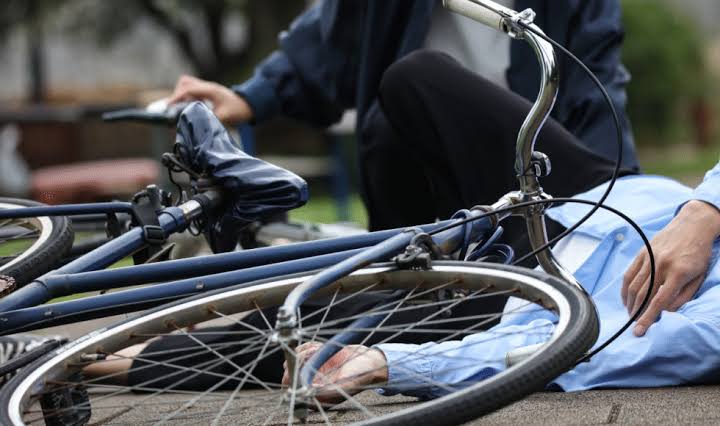
A bicycle crash can turn an ordinary ride into a confusing and stressful event within seconds. Whether the collision involves a car, another cyclist, a pedestrian, a road hazard, or a parked vehicle, the first priority is protecting your health. Riders who need help understanding possible legal next steps may also choose to speak with Orlando bike accident lawyers after they have addressed immediate safety and medical needs.
This checklist is designed to help riders make practical decisions after a crash. It cannot replace emergency care, medical advice, or guidance tailored to a specific situation, but it can help you preserve important information while details are still fresh.
Why The First Few Minutes Matter
Shock and adrenaline can make a rider feel capable of standing up, riding away, or handling the situation alone, even when an injury is developing. At the same time, crash scenes change quickly. Vehicles are moved, debris is cleared, traffic signals change, the weather shifts, and witnesses leave. A rider may remember being struck but later struggle to recall whether a driver was turning, where the bicycle was positioned, or what the traffic light showed.
Take a breath and focus on safety before trying to collect evidence. You do not need to solve the fault at the scene. Your job is to get help, give an accurate account of what you observed, and protect the information that may matter later.
Step One: Get To A Safer Place
First, check for immediate threats such as moving traffic, fire, leaking fluids, broken glass, or a damaged bicycle blocking a travel lane. If you can move without increasing pain or risk, get to a sidewalk, shoulder, parking area, or another protected location.
Do not stand, walk, or try to lift the bicycle if you suspect a head, neck, back, hip, or serious leg injury. Stay as still as possible and ask a bystander to call 911. If others are present, they may be able to alert approaching drivers and keep the area safer until first responders arrive.
Step Two: Call 911 And Ask For Help
Call 911 when someone has pain, bleeding, confusion, dizziness, loss of consciousness, trouble breathing, or visible signs of injury. It is also wise to call when a motor vehicle is involved, a driver appears impaired, someone leaves the scene, accounts of the collision conflict, or property damage is substantial.
Describe symptoms clearly to dispatchers and first responders. Say if you hit your head, feel numbness, have neck pain, cannot bear weight, or feel unusually sleepy. If an officer creates a report, ask for the agency name, officer information, and report or incident number before you leave, when possible.
Step Three: Get Medical Care
Not every injury is obvious at the roadside. Head injuries, soft-tissue injuries, fractures, and internal injuries can produce delayed symptoms. Seek urgent medical attention for headache, vomiting, confusion, dizziness, unusual sleepiness, chest pain, shortness of breath, worsening swelling, numbness, weakness, severe bleeding, or increasing neck or back pain.
Follow the instructions given by medical professionals, and keep records of appointments, prescriptions, referrals, bills, treatment recommendations, and time missed from work. A clear record can help you monitor recovery and explain the practical effects of the crash.
Step Four: Gather Information At The Scene
If you are physically able and it is safe, collect basic information without arguing or negotiating. Remain calm, stick to observable facts, and avoid statements such as “It was all my fault” or guesses about how fast anyone was traveling.
- Driver names, phone numbers, license details, and insurance information.
- Vehicle make, model, color, and license plate number.
- Names and contact information for witnesses.
- The exact location, nearby landmarks, road conditions, and weather.
- The responding officer’s name, badge number, and agency.
Step Five: Photograph And Preserve Evidence
Use your phone to take both wide and close-up photographs. Capture the roadway, intersection, traffic signs, lane markings, signals, lighting, debris, skid marks, the bicycle, the other vehicle, and visible injuries. Photograph cracked helmets, torn clothing, damaged shoes, lights, bags, and other gear.
Save any helmet-camera, dashcam, phone, fitness-app, or location data. Do not repair, wash, throw away, or alter the damaged gear before they have been documented. Write a private account of what happened as soon as you can, including the time, sequence of events, statements made, and symptoms you noticed.
Florida Road Rules Riders Should Know
In Florida, a bicycle is generally treated as a vehicle on public roads, meaning riders have important rights and responsibilities. The state’s guidance for sharing the road explains that cyclists may need to leave a bike lane or use a full lane to avoid hazards, prepare for a turn, or travel safely in a lane that is too narrow to share.
Traffic controls, road design, local rules, and the facts of a particular crash all matter. Review current rules rather than relying on an old social-media post or a friend’s interpretation of bicycle laws.
What Current Data Says About Bicycle Crash Risk
National statistics show why careful reporting and medical follow-up matter. The National Highway Traffic Safety Administration reports that 1,103 bicyclists were killed in traffic crashes in 2024, and its bicycle safety information emphasizes that both drivers and riders have a role in preventing crashes. These figures describe broad trends, however, and do not determine what caused or who was responsible for an individual collision.
How To Handle an Insurance Contact
An insurance company may request identifying information, photos, repair estimates, medical authorizations, or a recorded statement. Provide accurate basic facts, keep copies of every email and form, and note claim numbers and the names of representatives you speak with.
Do not speculate about fault, visibility, speed, or the full extent of your injuries before you know the facts. Avoid accepting a quick payment before you understand medical needs, bicycle repairs, replacement gear, travel costs, and missed work.
Common Mistakes To Avoid
- Leaving without seeking help when injuries or serious safety concerns are present.
- Assuming no immediate pain means no injury occurred.
- Repairing or discarding the bicycle before documenting the damage.
- Failing to get the witness’s contact information.
- Posting accusations, opinions, or detailed crash accounts on social media.
- Throwing away a damaged helmet or torn clothing.
Questions Riders Often Ask
Should I Call The Police After A Minor Crash?
It depends on the circumstances, but police involvement can be especially important when a vehicle is involved, someone may be injured, property damage is significant, or the people involved disagree about what happened.
What If The Driver Leaves?
Focus on safety, call 911, and record the vehicle description, plate number, direction of travel, and witness information if you can do so safely.
Should I Repair My Bicycle Right Away?
Prioritize safety, but photograph the bicycle and arrange an inspection before repairs when possible. Damage patterns may provide useful information about the impact.
A Simple 24-Hour Checklist
- Get medical care or schedule an evaluation.
- Request the police or incident report.
- Back up photos, video, and location data.
- Write a chronological account of the crash.
- Store the bicycle and damaged gear in a safe place.
- Track symptoms, treatment, expenses, repair estimates, and missed work.
Conclusion
A bicycle crash can leave anyone shaken, but a calm checklist creates order when it is needed most. Put safety first, seek medical care, report the incident when appropriate, preserve evidence, and communicate carefully. Those steps can protect your health, keep important facts from disappearing, and make the days after a crash easier to manage.