


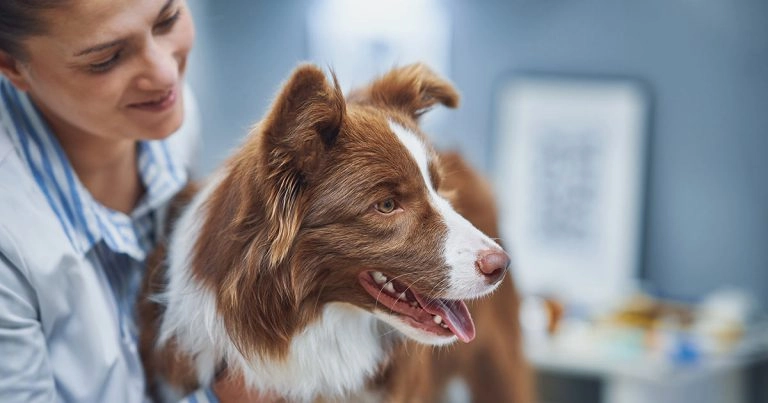
Fear in a clinic room changes everything. Your pet feels trapped. You feel helpless. The visit takes longer and costs more energy for everyone. Many clinics now use Fear Free practices to break this cycle. These methods protect your pet’s comfort first. They shape every step of the visit. You see it in softer handling, quiet rooms, and slower, kinder exams. You also see it in the way staff speak to you and your pet. This approach is spreading fast. It now reaches large hospitals, small town clinics, and your local veterinarian in South Houston, TX. Fear Free care does more than calm shaking paws. It also helps your pet accept exams, tests, and treatment. That leads to earlier answers, safer care, and less guilt for you. This blog explains why more clinics choose Fear Free methods and how you can ask for them.
Why fear in pets is a health problem
Fear is not only a “behavior issue.” It affects the body. It changes heart rate, breathing, and pain levels. It also changes how your pet remembers the clinic.
The American Veterinary Medical Association explains that fear and stress can hide early signs of disease. A tense pet may not show pain or may resist exams. That can delay care. It can also raise the risk of bites and scratches to staff and to you.
When your pet feels fear at each visit, three things often happen
- You delay routine checkups
- Your pet needs more restraint or even sedation
Fear Free practices try to stop this chain before it starts.
What Fear Free practices look like in a clinic
You can often spot a Fear Free clinic as soon as you walk in. Nothing feels harsh. Nothing feels rushed. Staff watch your pet’s body language and change the plan when needed.
Common steps include
- Letting your pet stay in the carrier or on your lap during part of the exam
- Using treats, toys, or gentle touch to build trust
- Scheduling extra time so no one hurries your pet
- Using soft voices and simple handling
- Separating dogs and cats in the lobby when possible
- Using calming music and non-slip mats
The goal is simple. Your pet feels safe enough to accept needed care.
How Fear Free compares to traditional visits
Many clinics now mix old habits with new methods. You can use the table below to see the difference and to know what to ask for.
| Clinic feature | Traditional approach | Fear Free approach
|
|---|---|---|
| Waiting room | Shared space. Long waits. Loud sounds. | Short waits. Quieter space. Separate the dog and cat when possible. |
| Handling | Firm restraint to “get it done.” | Gentle holds. Breaks during exams. Handling matched to your pet’s signals. |
| Use of treats or toys | Used sometimes as a reward after a procedure. | Used before and during exams to build trust and reduce fear. |
| Time spent | Shorter visits. Focus on quick completion. | Planned extra time so your pet can adjust and calm. |
| Owner role | You may stand aside while staff handle your pet. | You help comfort and guide your pet when safe. |
| Plan for fearful pets | More restraint or sedation at the next visit. | Stepwise plan. Calming at home, pre-visit meds when needed, slower exams. |
Why clinics are changing now
More research now links stress to poor health. The National Institutes of Health shares studies that connect stress hormones to pain and delayed healing. Clinics see that a calm pet often needs less restraint and less medication. Staff injuries drop. Repeat visits improve. That builds trust with you and your family.
Three main forces push this change
- Stronger science that shows how fear harms health
- More training for staff in gentle handling
- Clear demand from owners who want kinder care
Fear Free methods also help the clinic team. Handling a struggling pet is hard on the body and the mind. Calmer visits protect staff from bites and from emotional strain. That helps clinics keep trained staff and offer steady care for your pet.
How Fear Free care helps your pet and your family
Fear Free care does more than create a peaceful visit. It changes long-term health.
- Your pet is more willing to come through the door
- Early exams catch problems when they are easier to treat
- Vaccines, blood tests, and dental work become more routine
For your family, it also helps you carry less worry. You do not have to drag a shaking pet into the clinic. You do not leave with guilt and doubt. You leave with clear plans and a sense of shared work with the team.
How you can support a Fear Free visit
You play a key role. You can prepare your pet before the visit and speak up during the visit.
Before the appointment
- Let your pet see the carrier as a normal part of home life
- Take short car rides that do not end at the clinic
- Bring favorite treats, a blanket, or a toy
- Ask the clinic if your pet should receive calming medicine at home
During the visit
- Tell staff about past fear, bites, or hard visits
- Ask if exams can start in the lobby or in your lap
- Offer treats if your pet is able to eat
- Ask for breaks if your pet looks overwhelmed
After the visit
- Watch your pet at home for any pain or behavior change
- Give praise, play, or calm rest so the memory of the visit stays soft
- Share feedback with the clinic about what helped
How to find a Fear Free-minded clinic
Many clinics now state on their website that they use Fear Free methods or low-stress handling. You can call and ask simple questions
- How do you handle nervous pets
- Can I stay with my pet during most procedures
- What can I do at home before the visit
Listen for clear, calm answers. Listen with respect for your pet’s feelings. That respect is the heart of Fear Free care. It turns a clinic visit from a battle into a shared effort to protect your pet’s health and your peace of mind.