


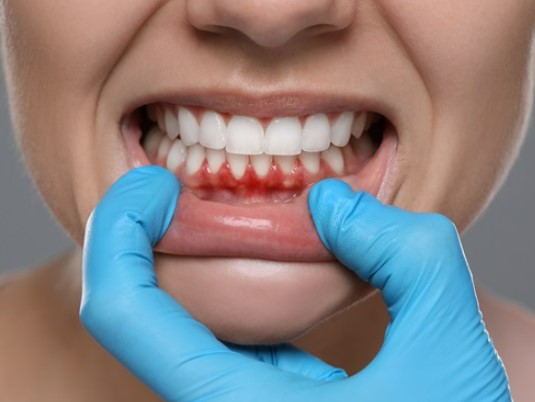
Your gums do more than hold your teeth. They protect your mouth from infection, support your bite, and influence your whole body. When gums swell or bleed, it is not just a small nuisance. It is an early warning sign. Ignoring it can lead to tooth loss, constant pain, and a higher risk for heart and blood sugar problems. Many people focus only on white teeth. They buy whitening kits and new brushes. They skip the one thing that keeps every smile steady. Healthy gums. This blog explains how gum health shapes your daily comfort, confidence, and long-term health. It also shares when to handle problems at home and when to see a Thousand Oaks periodontist for deeper care. You will learn simple steps that protect your gums, stop silent damage, and keep your smile strong at every age.
What Healthy Gums Do For You
Healthy gums act like a seal around each tooth. They block germs. They keep food and plaque from slipping under the gumline. They steady each tooth so you can bite and chew.
Strong gums support three basic needs.
- Comfort. Healthy gums do not hurt or bleed when you brush.
- Function. They hold teeth firmly so you can chew many foods.
- Confidence. They frame your teeth and shape your smile.
When gums stay healthy, you lower your risk of cavities, loose teeth, and jaw problems. You also lower the strain on your immune system. Your mouth stays calmer. Your body can focus on other threats.
How Gum Disease Starts
Gum disease starts with plaque. Plaque is a thin film of germs that forms on teeth every day. If you do not brush and floss, plaque hardens into tartar. You cannot remove tartar at home. Only a dental team can scrape it off.
First, gums react to plaque. They turn red. They swell. They bleed. This early stage is gingivitis. At this point, gums can still heal with better home care and a cleaning.
Then, if plaque stays, germs move deeper. They attack the bone that holds your teeth. This is periodontitis. At this stage, you can lose bone and teeth. You may need deeper cleanings or surgery.
You can read more about gum disease from the National Institute of Dental and Craniofacial Research at this government resource on gum disease.
Warning Signs You Should Not Ignore
Gum disease can stay quiet for a long time. You may not feel pain until damage is severe. Pay close attention to small changes.
- Bleeding when you brush or floss
- Red, puffy, or shiny gums
- Gums that feel tender when you touch them
- Bad breath that does not clear after brushing
- Teeth that feel loose or move slightly
- Gums pulling away from teeth so they look longer
If you see any of these signs, do not wait. Early care can stop more harm. Late care often means tooth loss and a higher cost.
Gum Health And Your Whole Body
Your mouth connects to the rest of your body. Germs and swelling in your gums affect your heart, blood vessels, and blood sugar control.
Research links gum disease with:
- Higher risk of heart disease and stroke
- Harder control of diabetes
- Higher risk for low birth weight in babies
Inflamed gums release signals into your blood. Those signals stir up swelling in other organs. Over time, this can strain your heart and blood vessels. The Centers for Disease Control and Prevention explain this link at this CDC page on periodontal disease.
Healthy Gums Versus Unhealthy Gums
| Feature | Healthy Gums | Unhealthy Gums
|
|---|---|---|
| Color | Pink and even | Red or dark and patchy |
| Texture | Firm and snug around teeth | Swollen or shiny |
| Bleeding | No bleeding with brushing or flossing | Bleeding with light brushing or flossing |
| Smell | Neutral breath | Ongoing bad breath |
| Tooth support | Teeth feel steady | Teeth feel loose or shift |
Daily Steps To Protect Your Gums
You can protect your gums with steady habits. These steps support children and adults.
- Brush twice each day with a soft brush.
- Use fluoride toothpaste in a pea-sized amount for children.
- Floss once each day to clean between teeth.
- Limit sugary drinks and snacks.
- Drink water after meals to rinse your mouth.
- Do not use tobacco in any form.
Parents can help children by brushing with them. Turn it into a simple routine. Morning. Night. No excuses. That steady pattern protects gums better than any special product.
When To See A Gum Specialist
Routine care with a general dentist is enough for many people. You still need a checkup and cleaning every six months or as advised. That visit removes tartar and checks for early gum changes.
You should see a gum specialist if you notice:
- Bleeding that continues for more than two weeks
- Gums pulling away from teeth
- Loose teeth or changes in your bite
- Pain when chewing in one spot
- A sore on your gums that does not heal
A specialist in gum care can use deeper cleaning, medicine, or surgery to save teeth. Early referral can protect bone and reduce the need for tooth removal.
Building A Family Plan For Healthy Gums
Every family can create a simple plan for gum health. You only need three steps.
- Set shared brushing and flossing times.
- Schedule checkups for everyone on the same week.
- Keep water and healthy snacks handy and limit sugary treats.
Children watch adults. When they see you care for your gums, they learn that gum health matters. That example protects their smiles for life.
Healthy gums support every laugh, every meal, and every word you speak. When you protect your gums today, you protect your future comfort. You also protect your heart and your strength. Start with small steps. Stay consistent. Reach out for expert care when you see warning signs. Your gums will repay you with a steady, healthy smile.