


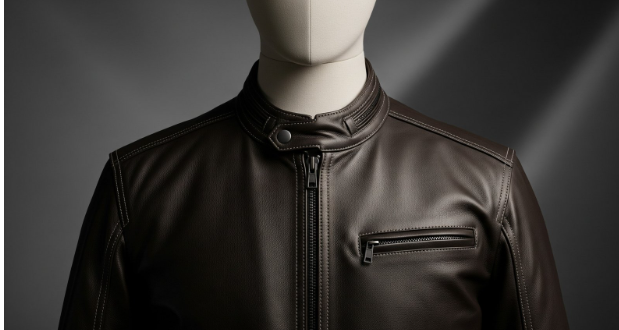
Buying a premium racing jacket may feel like a luxury at first, but for serious riders and motorsport fans, it pays off in safety, performance, and long-term value. These jackets are more than fashion. They are well-engineered gear built to protect, perform, and last.
Compared to basic options, premium jackets are carefully made from advanced materials with proven tech from years of racing. They offer protection and performance that cheaper jackets can’t match, making them a strong pick for riders who care about safety and quality. And if you want something for casual wear, check out these comfortable and stylish Charles Leclerc hoodies.
The appeal of a racing jacket goes beyond looks. It blends skilled build quality, advanced fabrics, and a history tied to speed and freedom. From the moment you put one on, you feel ready for the ride ahead. It’s not just about style; it’s about wearing gear that actively helps your safety and comfort.
The gap between a premium racing jacket and a standard one is like the gap between a race car and a regular commuter car-both work, but one offers sharper control, better protection, and a thrill you can feel.
What Makes Premium Racing Jackets Different from Standard Jackets?
The difference isn’t only the price. It comes from the full approach to design, materials, and build quality needed for high speeds. A standard jacket may offer basic protection and style, but a premium racing jacket is made as real equipment for riding and racing.
Key Materials Used in Premium Racing Jackets
Premium jackets start with high-grade materials. Many come from research used in aerospace and safety gear. Top-grain leather like kangaroo or cowhide is common because it’s tough, resists abrasion, and feels smooth. Kangaroo leather is light and strong for its weight and can help with airflow. Quality leathers also age well and develop a rich patina.
High-end textile options mix in advanced fibers like Nomex aramid that resist flames and don’t lose that property with washing. Meta-aramid blends add heat resistance and comfort, often as part of multi-layer protection. Kevlar-reinforced panels can match or beat leather in tear strength while adding breathability for warm weather.
Builders place these materials where they matter most: tougher shells on the outside, breathable and moisture-wicking liners inside for comfort and focus. Pros often own different jackets for different tracks or climates.
| Material | Type | Main Benefits | Common Use |
| Kangaroo leather | Natural | High abrasion resistance, light, strong | Track-focused race jackets |
| Cowhide | Natural | Durable, protective, ages well | Street and track jackets |
| Nomex/meta-aramid | Synthetic | Inherent flame resistance, heat protection | Auto racing layers and panels |
| Kevlar-reinforced textiles | Synthetic | Tear resistance, ventilation | Textile race and street jackets |
Advanced Craftsmanship and Manufacturing Techniques
Premium jackets are built with care and advanced methods. Many are handmade or finished by skilled workers who pay close attention to detail. Every stitch matters for strength and clean lines. Design touches like quilting, secure pockets, and fitted cuts take time and skill.
- Double or triple stitching in high-stress areas
- Reinforced seams to prevent tearing on impact
- Multi-layer build for both protection and movement
- Stretch panels for comfort in riding position
- Quality zippers and closures rated for repeated use
Modern race jackets balance heat protection, breathability, and durability. Builders plan how heat moves through the layers and how sweat escapes so riders stay protected without overheating. Each part works with the rest to deliver safety and performance, making the jacket feel like precision gear, not just clothing.
Distinctive Design Elements and Fit
Design and fit play a big role in safety and speed. Premium jackets use clean lines and sponsor-style graphics, but every shape serves a purpose. The aerodynamic hump you see on many race jackets isn’t just for looks—it guides air over your back and cuts drag. Teams report up to a 15% gain in airflow stability over standard motorcycle jackets, which is why riders often look for proven, high-quality gear from places like Top Racing Shop.
Fit matters a lot. A premium racing jacket sits close to the body to stop fabric flapping at speed. It’s shaped for the tucked riding position so air flows smoothly from helmet to tail. Pre-curved sleeves match your arm angle on the bars to reduce fatigue and help precise control. Pros often get custom-fit work to nail their aero shape. When the fit is right, the jacket feels like part of you and helps you ride better.
How Do Premium Racing Jackets Improve Safety and Performance?
These jackets protect you, and they also help you ride well. They work with your body and your bike to support speed, control, and focus.
Impact Protection and Abrasion Resistance
Premium jackets excel at sliding protection. Thick kangaroo or cowhide panels can handle long slides without wearing through, which is a big step up from many standard jackets.
They also add impact armor at the shoulders, elbows, and back. This is often CE-certified gear, with Level 2 giving higher impact absorption. Some jackets include aluminum shoulder sliders to help you slide rather than catch on rough pavement. These parts are built into the jacket so the protection stays in place while still allowing free movement. Leather jackets work well for street speeds, but for track days, a race jacket with CE Level 2 armor gives a higher safety margin.
Aerodynamic Features for Competitive Edge
At speed, wind load grows fast. Premium racing jackets are shaped to cut drag and add stability. Teams spend wind tunnel time getting the profile right.
The speed hump smooths airflow over your back and reduces buffeting. A close fit keeps the fabric from fluttering, which raises drag even in small amounts. Pre-curved sleeves and body shaping keep a clean profile in a tuck. These details can trim lap times-some MotoGP groups have seen gains up to 0.3 seconds per lap from aero tweaks-while also lowering fatigue and improving straight-line stability.
Temperature and Moisture Management
Good performance needs good body temp control. Hard riding builds heat, and trapped sweat can ruin focus. Premium jackets handle airflow and moisture with purpose-built features.
- Perforated leather for cooling without weak points
- Breathable textile panels for hot days
- Moisture-wicking liners to keep you dry
- Removable thermal or airflow liners for different seasons
- Some humps include built-in cooling channels
This setup helps you stay comfortable and focused over long sessions.
What Are the Brand and Certification Factors That Influence Value?
Value also comes from who makes the jacket and the safety standards it meets. These signals give confidence that the gear performs as promised.
Reputation of Leading Racing Jacket Brands
Brand standing in racing comes from years of innovation, build quality, and results on track. Names like Dainese, Alpinestars, and Sparco have refined designs for decades and test with pro riders. Their jackets reflect long-term learning and real-world feedback.
Buying from a trusted brand means you’re getting a product shaped by racing experience and safety focus. Special collaborations and limited runs can raise demand and price, adding collector appeal. Some rare models even hold or grow their value over time.
Industry Safety Certifications (FIA, SFI, CE, etc.)
A key factor in a jacket’s value is the safety mark it carries. These labels reflect strict testing for heat, fire, impact, and durability. For auto racing, FIA 8856-2018 is the current standard for fire-resistant gear, with extended flame tests (12-15 seconds minimum) and tough thermal checks.
SFI ratings are common in North America, with SFI 3.2A/5 used widely at club level. For motorcycle use, CE marks show compliance with European standards for protective clothing, and Level 2 armor gives higher impact protection. These certifications offer proof that the jacket meets tested safety levels. Without them, many race groups won’t allow the gear on track.
How Do Style, Personalization, and Technological Innovation Affect the Value of Premium Racing Jackets?
Safety and speed come first, but looks, personalization, and new tech also add value. They turn a piece of equipment into a reflection of the rider and bring modern features to the ride.
Customization and Fit Options
True premium jackets can be made to fit you closely. Beyond detailed size charts, many brands offer custom sizing. A proper fit keeps armor in the right spot during a crash and keeps the jacket smooth in the wind. A loose jacket flaps; a tight one restricts movement. The right fit avoids both.
Personal touches can include colors, logos, and team graphics. You can also pick materials, vent layouts, and armor levels. With the right setup, the jacket feels like a second skin and matches your needs and taste.
Integration of New Technologies (Airbags, Smart Materials, etc.)
Tech is moving fast, and premium jackets lead the way. Many are ready for airbag systems. For example, some Alpinestars models work with Tech-Air, which deploys on a detected crash to protect the chest, ribs, and neck area.
New designs also bring sensors and smart fabrics. Some concepts track heart rate, body temp, and strain and can send real-time data. Cooling tech with phase-change materials and active air pathways helps on long, hot sessions. Modular builds let riders swap parts and keep safety ratings. Features like GPS-linked adjustments, biometric links, and crash alerts with emergency contacts are making race jackets feel like smart safety devices.
Why Are Premium Racing Jackets Considered a Smart Long-Term Investment?
While the upfront cost can be high, looking long term shows strong value. You get durable gear, steady resale prices, and support after purchase.
Longevity and Durability Compared to Budget Options
Premium jackets are built to handle hard use. They use higher-grade leather and advanced textiles that resist abrasion and tearing. Strong stitching and quality parts help them last for years under heavy riding.
An entry-level jacket may need replacing every 2-3 years. A pro-grade jacket, with regular care, can often last 5-8 years. That longer life lowers your cost over time. Better materials also age well, gaining character instead of wearing out. Fewer replacements save money and cut waste.
Resale Value and Timeless Appeal
Good jackets from known brands keep their value. A well-kept premium jacket can sell for 20-40% of its original price or more. This comes from their durability, classic style, and brand appeal.
Racer style stays in fashion, and limited runs or rider-linked models can become collectible. If you upgrade later, you can recover part of your spend, which makes the initial price easier to justify.
Warranty and After-Sales Support
Premium makers back their products with solid warranties and helpful service. Many offer 2-3 years of coverage against defects. They also provide service programs, including safety checks, pro cleaning, and repairs using original materials.
This support helps keep the jacket safe and extends its life. Common issues like zippers, seam wear, or blocked vents can be fixed before they become big problems. Some brands even help renew certifications when rules change. This ongoing care helps your jacket stay safe, functional, and valuable for a long time.
What Should You Check Before Investing in a Premium Racing Jacket?
Before you buy, look at a few key points so you pick the right jacket for your needs. A smart choice gives you better safety and better value.
Intended Use: Track, Street, or Daily Wear
Know where you’ll use it most. Track jackets focus on aero, legal armor placement, and minimal extras. They’re great on the bike but can feel tight or warm off it. The fit is built for a tucked position, not walking.
Street-focused premium jackets may add weather protection, more vents, reflectivity, and pockets. Some let you remove armor for casual use. If you split time between track and street, a quality two-piece suit that zips together can be a smart choice.
Budget Planning and Cost-Benefit Analysis
Plan your spend and weigh long-term value. Prices vary:
- Mid-range premium: $350-$550
- Pro-grade: $800 and up
- Yearly care: about $50-$150
- Replacement cycle: 3-8 years, based on use
Many riders set aside 15-20% of their riding or racing budget for safety gear. A higher-priced jacket can last longer, protect better, and resell for more. That can beat the cost of replacing cheaper gear again and again.
Fitting, Sizing, and Professional Guidance
Fit is the most important part of choosing a racing jacket. It should be snug without blocking movement. Standing upright, it may feel tight, but in riding position it should feel natural. Pre-curved sleeves should match your reach to the bars.
Try to get help from a pro fitter or a specialist shop. Use brand-specific size charts and measure chest, shoulders, arm length, and torso. Ask about space for a back protector, chest piece, or a HANS device if relevant. If you fall between sizes, many riders size up for full motion. Time spent on fit pays off with the best protection and comfort.
Frequently Asked Questions about Premium Racing Jackets
With proper care, many premium racing jackets last 5-8 years. Use, storage, and maintenance all affect life span. Clean and inspect it often, and service it when needed. Entry-level jackets often last 2-3 years. Also check certification dates: FIA marks usually last 5 years, and SFI marks often 2 years. After a major crash or fire exposure, replace the jacket even if it looks fine.
Yes. Avoid harsh cleaners and standard machine cycles. Follow the maker’s care guide. For leather, use proper cleaners and conditioners to keep it supple. For textiles, use mild detergents and spot clean or gentle hand wash. Regularly check for damage, test zippers and closures, clean vents, and confirm armor sits in the right place. Many brands offer pro cleaning and repairs to keep the jacket in good condition and maintain safety ratings.
Yes. Track day riders and serious street riders benefit a lot. You get better abrasion protection, stronger impact armor, improved airflow, and a secure fit that builds confidence. A standard leather jacket works for everyday street use, but a racing jacket with CE-rated armor and better ventilation adds another layer of safety that can make a real difference in a crash. The choice comes down to how much you value safety and ride quality.
Key Takeaways: Making the Most of Your Investment in a Premium Racing Jacket
- Treat your jacket like performance gear. Clean it, store it well, and follow the maker’s instructions. This keeps the materials working right and helps it look good for years.
- Keep up with new safety tech. Airbags, smart armor, and updated standards move fast. Staying informed helps you use your current gear fully and plan smart upgrades.
- Confidence matters. Wearing high-quality protection lets you focus, ride smoother, and enjoy the experience more. That feeling alone adds real value to every ride.