
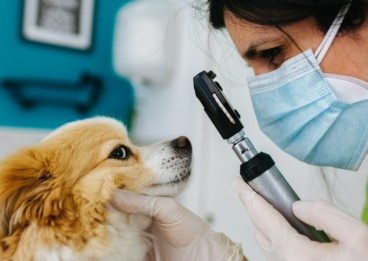

Preventive care protects your pet before sickness takes hold. It is simple, steady care that keeps small problems from turning into emergencies. Regular exams, vaccines, and lab tests catch hidden issues early. They also give you clear answers about what your pet needs at each life stage. A North Austin vet can spot warning signs you may miss at home, such as subtle weight changes, silent dental disease, or slow organ damage. Early action often means shorter treatment, lower cost, and less pain for your pet. It also means fewer late-night rush visits and less fear for you. When you stay ahead of illness, your pet can move, eat, and rest with more ease. Preventive care is not extra. It is the base of a long, steady life for your pet.
What Preventive Care Includes
Table Contents
Preventive care is a routine plan, not a single visit. It usually covers three main parts.
- Regular physical exams
- Vaccines and parasite control
- Screening tests and dental checks
During an exam, the vet listens to the heart, checks eyes, ears, skin, joints, teeth, and weight. You hear what looks normal and what needs follow-up. You also talk about food, behavior, and daily habits. This full view helps the vet see patterns before they turn into sickness.
Vaccines protect against diseases that spread fast and hit hard. Parasite control lowers the risk of fleas, ticks, and heartworms. Routine blood work and urine tests give a window into organ health that you cannot see from the outside.
How Often Your Pet Needs Preventive Care
Your pet’s age shapes how often you should visit. Bodies change with time, so the plan must shift too.
Typical Preventive Care Schedule for Dogs and Cats
| Life Stage | Age Range | Vet Visit Frequency | Key Focus
|
|---|---|---|---|
| Puppy / Kitten | 0 to 12 months | Every 3 to 4 weeks until core vaccines are done | Vaccines, deworming, growth checks, behavior guidance |
| Adult | 1 to 6 years | Once a year | Annual exam, vaccine updates, weight, and dental checks |
| Senior | 7 years and older | Every 6 months | Blood work, organ checks, pain control, mobility support |
The American Veterinary Medical Association urges regular exams for all pets. These visits work best when they are steady, not only when you see a crisis.
Why Early Detection Changes Outcomes
Most serious diseases start small. You often will not see early kidney strain, mild heart disease, or tiny tumors. Your pet may still eat and play. The body hides weakness until it cannot keep up.
Routine tests can show trouble long before clear signs appear. For example, a simple blood test can pick up kidney changes while your cat still uses the litter box without issue. A heartworm test can find infection before your dog coughs or slows down.
When the vet finds the disease early, treatment is usually shorter and more focused. Your pet often needs fewer drugs and fewer hospital stays. You also gain time to plan and adjust home care instead of reacting in panic.
Cost of Prevention Compared to Emergency Care
Many families fear the cost of preventive care. It feels tempting to skip visits when your pet looks fine. Yet delay often shifts cost from small, known fees to large, sudden bills.
Example Cost Pattern: Prevention vs Emergency
| Type of Care | Example Services | Typical Pattern of Cost
|
|---|---|---|
| Preventive care | Annual exam, vaccines, heartworm and flea control | Lower cost, planned once or twice a year |
| Emergency care | Hospital stay, surgery, intensive drugs | High cost, sudden, often at night or on weekends |
Research shared by veterinary schools and public health groups shows that heartworm prevention each month costs far less than treating advanced heartworm disease. The same pattern holds for dental care. Routine cleanings cost less than extractions and infection treatment after years of tartar buildup.
Protecting Your Family’s Health Too
Preventive vet care also guards your home. Some diseases move between pets and people. These include certain intestinal worms, ringworm, and some bacterial infections.
Regular parasite control and vaccines lower these risks. The Centers for Disease Control and Prevention explains that keeping pets healthy is a key step in keeping families healthy. When your vet checks stool samples, skin, and bite wounds, you gain a safer home for children, older adults, and anyone with a weak immune system.
What You Can Do Between Vet Visits
Preventive care does not stop when you leave the clinic. You play a central role each day.
- Feed a balanced diet that matches your pet’s age and health
- Measure food to prevent slow weight gain
- Provide fresh water at all times
- Brush teeth if your vet approves and use dental treats as directed
- Use heartworm, flea, and tick products as prescribed
- Watch for changes in eating, drinking, energy, or bathroom habits
If you see new signs, do not wait and hope they pass. Call your vet and describe what you see. A short visit now can avoid a long hospital stay later.
Planning a Preventive Care Routine
You do not need to plan alone. Your vet team can help you set a yearly schedule that fits your pet and your budget. You can ask three key questions.
- How often should my pet come in based on age and breed
- Which vaccines and tests are most important for my pet’s risk
- What can I watch for at home between visits
Write the plan down. Then set reminders for visits, refills, and monthly preventives. Treat these steps as fixed parts of your year, the same way you treat school dates or tax deadlines.
The Bottom Line
Preventive care is steady protection, not a luxury. It lowers suffering, cuts surprise costs, and guards the bond you share with your pet. When you commit to regular exams, vaccines, tests, and home care, you give your pet a stronger chance at a long, steady life with you.