


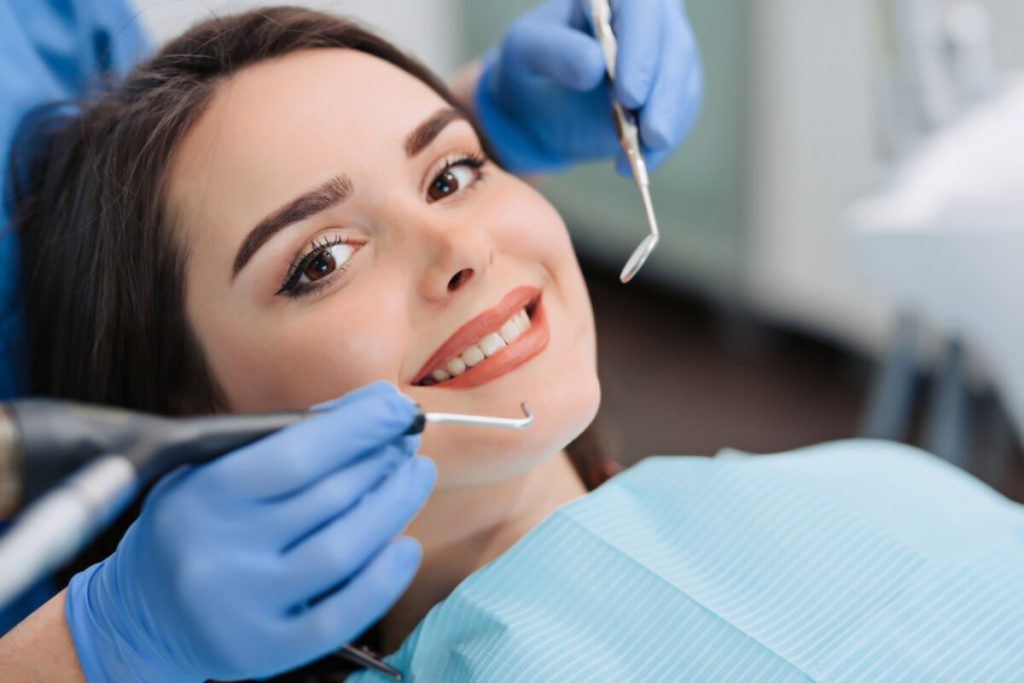
You might skip dental cleanings when life feels crowded. That choice quietly harms your mouth and your body. Regular cleanings do more than polish teeth. They remove hard buildup that brushing and flossing cannot touch. They stop infection before it reaches your blood, heart, lungs, and brain. They lower your risk of tooth loss, diabetes problems, and some pregnancy problems. They also cut bad breath and pain, which can drain your energy at work and at home. During a cleaning, your dentist checks for early signs of cancer, bone loss, and gum disease. Early care costs less money and less time. It also protects your confidence when you speak, eat, or smile. If you want compassionate dental care in Santa Rosa, or anywhere else, start with regular cleanings. You deserve a calm visit, clear answers, and a plan that guards your health for life.
How Plaque And Tartar Hurt Your Body
Every day, a thin film of germs coats your teeth. That film is plaque. Brushing and flossing remove much of it. Yet some stay behind, especially between teeth and along the gumline. Over time, it hardens into tartar. Only a dental professional can remove tartar safely.
When tartar sits on your teeth, your gums react. They swell, bleed, and pull away from the tooth. This is gum disease. The Centers for Disease Control and Prevention explains that almost half of adults over 30 have some form of gum disease.
Gum disease creates small pockets that trap more germs. Those germs slip into your blood. Then they strain your immune system and your organs. Regular cleanings break this cycle before it grows.
Why Cleanings Protect Your Whole Body
Your mouth connects to every organ. You use it to eat, breathe, speak, and show emotion. When infection grows in your gums, your body responds with swelling throughout your system.
Repeated swelling links to serious health problems. These include heart disease, stroke, and trouble with blood sugar control. The National Institute of Dental and Craniofacial Research notes that gum disease shares risk factors with heart disease and diabetes. You can read more at NIDCR gum disease information.
Regular cleanings help by doing three things.
- They lower the number of harmful germs in your mouth.
- They stop bleeding gums that give germs a path into your blood.
- They allow early treatment before infection spreads.
This simple visit protects your heart, blood vessels, lungs, and brain. It also supports a healthy pregnancy and safer aging.
What Happens During A Routine Cleaning
You may worry about what to expect. A standard cleaning visit usually follows a clear pattern. Each step serves a purpose.
- Review of your health history and any new symptoms.
- X-rays as needed to check for hidden decay or bone loss.
- Removal of plaque and tartar from teeth and along the gumline.
- Polishing to smooth tooth surfaces and remove surface stains.
- Flossing to clear remaining particles between teeth.
- Fluoride treatment is helpful for added protection.
- Exam by the dentist to check for decay, gum disease, and cancer.
The team may adjust steps for children, older adults, or people with medical conditions. You can ask for breaks. You can also ask them to explain each step before they begin.
How Often You Need A Cleaning
Most people need a cleaning every six months. Some need more frequent visits. Your needs depend on your age, health, and habits. The table shows general guidance. Your dentist may suggest a different schedule based on your mouth and your health.
| Personal Situation | Typical Cleaning Frequency | Main Reason
|
|---|---|---|
| Healthy child or teen | Every 6 months | Guide growth and prevent early cavities |
| Healthy adult non smoker | Every 6 months | Control plaque and catch problems early |
| Adult with history of gum disease | Every 3 to 4 months | Stop flare ups and protect bone |
| Person with diabetes | Every 3 to 4 months | Support blood sugar control and healing |
| Pregnant person | At least once per pregnancy | Reduce risk of gum problems and infection |
| Heavy smoker or tobacco user | Every 3 to 4 months | Watch for cancer and severe gum disease |
Benefits You Feel At Home, Work, And School
Regular dental cleanings bring quiet changes that you feel every day. These changes touch how you eat, speak, and connect with others.
- You chew with less pain and enjoy more foods.
- You speak clearly without worry about loose teeth.
- You smile more with less fear of bad breath or stains.
Children who keep their mouths healthy miss fewer school days. Adults miss fewer workdays and spend less time in urgent care for tooth pain. Families save money by avoiding root canals, extractions, and dentures.
Preparing For Your Next Cleaning
You can make your visit smoother with a few steps. These steps protect your comfort and help your dental team care for you.
- Write down all medicines and health conditions.
- Share any fear, pain, or past bad experiences.
- Ask about cost and coverage before the visit.
- Brush and floss before you arrive, but do not skip the visit if you forget.
- Bring questions about your mouth, your child, or an older parent.
Your dental team wants to reduce fear, not judge you. You can ask for numbing gel, music, or a stop signal. You can also ask for simple words instead of technical terms.
Daily Habits That Support Your Cleanings
Cleanings work best when you care for your mouth at home. You do not need fancy tools. You need a steady routine and a few basic supplies.
- Brush twice a day with fluoride toothpaste.
- Floss once a day to clean between teeth.
- Limit sugary snacks and drinks.
- Drink water often, especially after meals.
- Skip all tobacco products.
You use these habits every day. Then you use regular cleanings as a safety net. Together, they protect your mouth and your body for many years.