
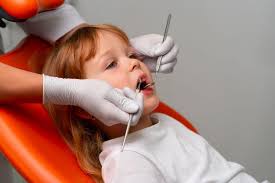

Crooked teeth and jaw problems often start early. You may not see them yet, but your child can feel them when eating, sleeping, or trying to speak clearly. Early orthodontic screenings give you a clear picture before small issues grow into painful problems. A Fort Worth dentist can spot crowding, bite problems, and growth concerns when your child still has baby teeth. That timing matters. Early care can guide jaw growth, protect teeth from damage, and support clear speech. It can also prevent teasing at school and quiet some of your child’s private shame about their smile. You get answers instead of guessing. Your child gets a plan instead of fear. This blog explains three strong reasons to schedule an orthodontic screening early, so you can act with calm confidence and protect your child’s health, comfort, and future choices.
Reason 1: Early Screenings Protect Growing Mouths
Your child’s face, jaw, and teeth grow fast between ages 6 and 10. Small changes during this time can shape the way your child eats, speaks, and smiles for life. Early orthodontic screenings use that growth to your child’s advantage.
During a screening, the dentist checks three things.
- How the teeth fit together when your child bites
- How the upper and lower jaws line up
- How much space exists for adult teeth still waiting to come in
That careful look can uncover problems you cannot see yet.
- Crossbite that can wear down teeth
- Open bite from thumb sucking or mouth breathing
- Underbite that strains the jaw joint
Early treatment can guide the jaw into a safer position. It can open space for adult teeth and reduce the chance of tooth removal later.
The American Association of Orthodontists advises that children receive an orthodontic checkup by age 7. That age is not a deadline. It is a strong starting point.
Reason 2: Early Care Can Shorten and Soften Teen Treatment
Many parents wait until all adult teeth come in during the teen years. That delay can mean longer treatment, more complex tools, and higher cost. Early screenings often change that story.
When a dentist or orthodontist guides growth early, they can often:
- Prevent severe crowding
- Reduce the need for tooth removal
- Cut the time your child needs braces later
Phase one treatment often starts when a child still has baby teeth. Phase two, if needed, comes later when all adult teeth are in place. Not every child needs two phases. Yet many children gain from early guidance that makes the second phase simpler.
The table below compares common outcomes for children who receive early screenings versus those who wait until all adult teeth appear. Every child is different. Still, the pattern is clear.
| Factor | Early Screening (by age 7) | Late First Visit (age 12 or later)
|
|---|---|---|
| Chance of needing tooth removal | Lower | Higher |
| Average treatment length with braces | Shorter | Longer |
| Jaw growth guidance | Possible | Limited |
| Chance to prevent severe crowding | Greater | Reduced |
| Cost over childhood and teen years | More predictable | Less predictable |
Early action often means your teen spends less time in braces during middle school and high school. That can lessen missed class time. It can also reduce stress during years that already feel heavy.
Reason 3: Screenings Guard Speech, Sleep, and Self‑Esteem
Teeth and jaws do more than chew food. They shape the way your child speaks, breathes, and feels about their face. Early orthodontic screenings protect these parts of daily life.
Certain bite problems can affect speech sounds. Crowded or spaced teeth can change how the tongue moves. A child may feel embarrassed when classmates tease how they talk. Early care can support clearer speech and reduce that pain.
Jaw position also affects breathing. Children with narrow jaws or severe overbites may breathe through the mouth at night. That pattern can link to snoring, restless sleep, and daytime fatigue. The National Institutes of Health shares research on how mouth breathing and jaw growth connect to sleep concerns.
Emotional health matters too. A child who hides their smile often feels small in social settings. They may avoid photos, group games, or speaking up in class. Early screenings give your child a chance to feel heard and supported. They also show your child that their comfort matters.
- You notice early signs of teasing at school
- Your child covers their mouth when they laugh
- Your child complains of jaw pain or headaches
Those signals mean it is time to schedule a visit. You are not overreacting. You are protecting your child’s dignity.
What To Expect During an Early Orthodontic Screening
Knowing what will happen can calm your child and you. A first orthodontic screening is usually simple and gentle.
The visit often includes three steps.
- Review of medical and dental history
- Exam of teeth, bite, and jaw movement
- Pictures or X‑rays if needed
After the exam, the dentist explains what they see. You hear if problems are present. You also hear if your child simply needs routine checkups tomonitorh growth. Many children do not need treatment right away. That news can bring relief.
If treatment makes sense, you receive a clear plan. It usually lists:
- Goals for jaw and tooth changes
- Tools that may help, such as expanders or limited braces
- Estimated time and cost
You can compare options and ask direct questions. You stay in control of the choices for your child.
How To Take the Next Step
You do not need to wait for a referral if you have concerns. You can contact a pediatric dentist or orthodontist directly and request an early screening. You can also use provider search tools from professional groups or your dental insurer.
Three simple actions can protect your child right now.
- Look at your child’s bite when they gently close their teeth
- Listen for speech sounds that seem hard for your child
- Ask your child how their teeth feel when they eat or sleep
If anything feels off, schedule a visit. Early orthodontic screenings do not force treatment. They give you knowledge and time. That combination lets you make steady, confident choices for your child’s smile, health, and daily comfort.