
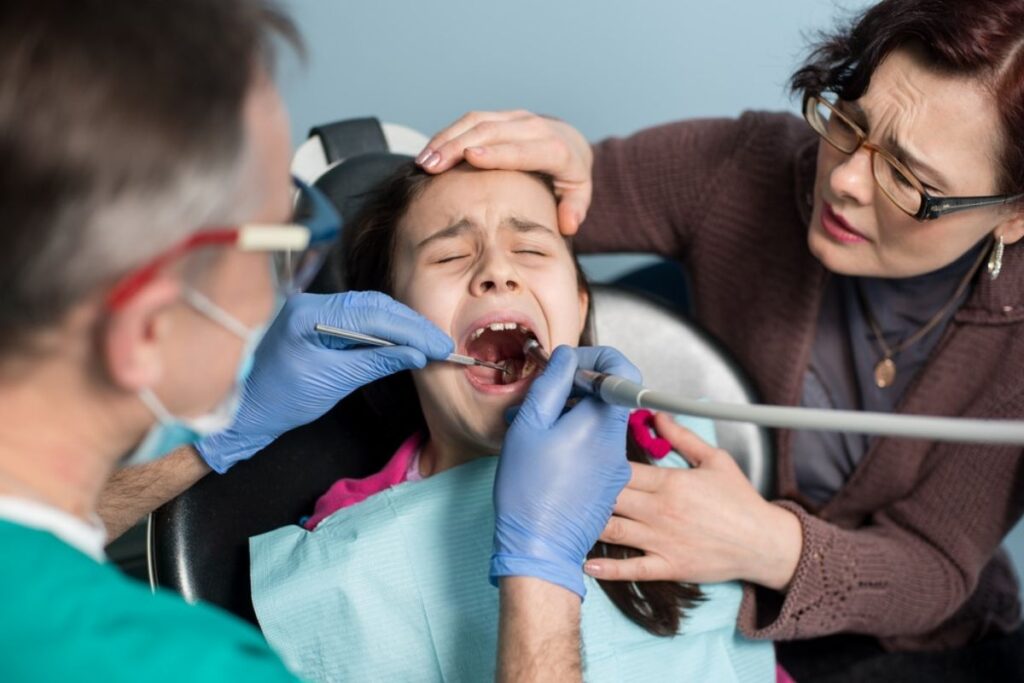

Dental pain can hit fast. It can wake you from sleep, stop you at work, or scare your child. In those first minutes, you may feel nervous and lost. You need clear steps. This guide explains four common dental emergencies and what to do first for each one. You learn how to handle a broken tooth, a knocked out tooth, sudden toothache, and a lost filling or crown. You also learn when to call 911 and when to contact a dentist in Clearwater, FL for urgent care. Quick action can save a tooth. It can also lower pain and prevent infection. You cannot plan every emergency. You can prepare for the first hour. That first hour matters.
1. Broken or Chipped Tooth
A broken tooth can follow a fall, a hit to the face, or biting a hard snack. You may see a small chip or a large break. You may feel sharp edges and strong pain.
First steps:
- Rinse your mouth with warm water to clear blood and small pieces.
- Clean any tooth pieces and place them in milk or saliva.
- Press a clean cloth to the gum if it bleeds.
- Use a cold pack on the cheek for 10 minutes at a time.
- Call your dentist right away and explain what happened.
Next, cover sharp edges with clean dental wax or sugar free gum if you must wait. You protect your tongue and cheek. You also lower the chance of more damage.
2. Knocked Out Tooth
A knocked out tooth needs fast action. Time matters. The first 30 minutes give you the best chance to save the tooth. Children and adults face this after sports, bike crashes, or fights.
First steps for an adult permanent tooth:
- Find the tooth and pick it up by the crown. Do not touch the root.
- Gently rinse the tooth with clean water if it has dirt. Do not scrub.
- If you can, place the tooth back in the socket. Bite on a clean cloth.
- If you cannot, place it in cold milk. You can also hold it in your cheek.
- Call your dentist at once. Say it is a knocked-out tooth.
For a baby tooth, do not place it back in the socket. You can hurt the new tooth growing under the gum. You should still call the dentist for an urgent visit.
The American Academy of Pediatric Dentistry explains that fast care can protect both baby and adult teeth after injury.
3. Sudden Toothache
A toothache can feel like a dull throb or a strong stab. It can spread to your ear or jaw. It can follow a cavity, a cracked tooth, a gum infection, or food stuck between teeth.
First steps:
- Rinse your mouth with warm water.
- Use floss gently around the sore tooth to remove trapped food.
- Place a cold pack on the cheek for short periods.
- Use over-the-counter pain medicine as the label directs if you can take it safely.
Do not place aspirin on the tooth or gum. It can burn the tissue. Do not use heat on the face. Heat can increase swelling.
Call your dentist the same day if:
- Pain lasts longer than one day.
- You see swelling in the face or jaw.
- You have trouble swallowing or breathing.
- You have a fever or feel very sick.
The Centers for Disease Control and Prevention notes that untreated tooth decay can spread and affect health in other parts of the body. Do not wait and hope it fades.
4. Lost Filling or Crown
A lost filling or crown can surprise you during a meal. You may feel a hole or rough area. You may notice sudden sensitivity to hot, cold, or sweet food.
First steps:
- Remove the loose filling or crown from your mouth so you do not swallow it.
- Rinse your mouth with warm water.
- Protect the exposed tooth with dental cement from a pharmacy if your dentist cannot see you the same day.
- Keep the crown in a small, clean container. Bring it to your visit.
Next, avoid chewing on that side. Choose soft food until the tooth is fixed. A lost filling or crown can lead to deeper decay if you wait.
When To Call 911 Instead Of The Dentist
Sometimes a dental problem becomes a medical emergency. You must call 911 or go to the nearest emergency room if you notice:
- Swelling that spreads to the eye, neck, or floor of the mouth.
- Trouble breathing or swallowing.
- Bleeding that does not slow after 15 minutes of firm pressure.
- Confusion, loss of consciousness, or head injury with broken teeth.
These signs can show a severe infection or injury. Fast hospital care protects your life. The tooth can wait until you are stable.
Quick Comparison Of Common Dental Emergencies
| Emergency | Main Signs | First Step | Urgency
|
|---|---|---|---|
| Broken or chipped tooth | Sharp edge, pain, bleeding gum | Rinse, save pieces, use cold pack | Call dentist the same day |
| Knocked out adult tooth | Empty socket, bleeding, loose tooth in hand | Place tooth back in socket or in milk | See dentist within 30 to 60 minutes |
| Sudden toothache | Throbbing or sharp pain, possible swelling | Rinse, floss, cold pack, pain medicine if safe | Call dentist within 24 hours |
| Lost filling or crown | Hole in tooth, rough edge, sensitivity | Save crown, cover tooth with dental cement | Schedule urgent visit in 1 to 2 days |
How To Prepare Before An Emergency
You cannot stop every injury. You can lower risk and plan for sudden problems. Three simple steps help:
- Keep a small dental kit at home with gauze, dental wax, dental cement, a small container, and pain medicine that is safe for your family.
- Use a mouthguard for sports and high-contact play.
- Write your dentist’s phone number on the fridge and in your phone.
Regular checkups find small problems early. You catch weak fillings and early decay before they turn into midnight emergencies.
Taking The First Step With Confidence
A dental emergency shakes your sense of control. You may feel fear and anger. You may feel worry for your child. Clear steps turn that fear into action.
Remember three key moves.
- Protect the tooth. Rinse gently. Save pieces or the whole tooth.
- Protect the person. Watch for trouble breathing, swallowing, or strong swelling.
- Call for help. Reach your dentist or call 911 when signs are severe.
With a small plan, you respond with calm, not panic. You protect teeth. You protect health. You give your family fast, steady care when it counts most.