
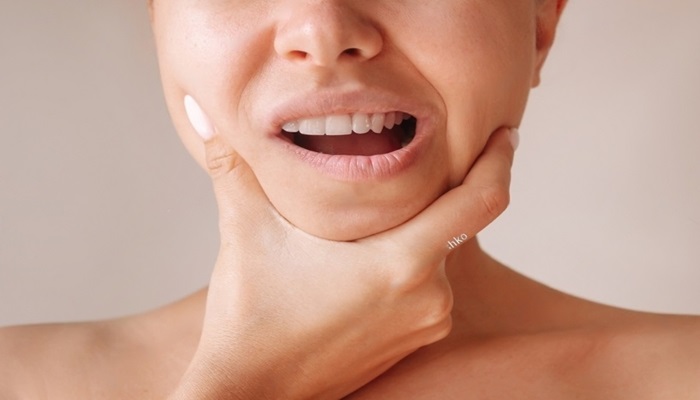

When most parents think about orthodontic issues, they often picture crooked teeth or the cosmetic side of braces. But jaw alignment and bite problems go far beyond appearance. The way a child’s upper and lower jaws fit together can affect everything from speech and breathing to digestion, sleep quality, and long-term oral health.
Unfortunately, many bite-related issues develop gradually and can be easy to overlook during childhood or adolescence. A teen may complain about headaches, jaw clicking, difficulty chewing, or uneven tooth wear without realizing these symptoms may all stem from poor bite alignment.
Understanding how jaw alignment impacts overall health can help parents identify problems early and make more informed decisions about orthodontic care.
What Is Jaw Alignment?
Jaw alignment refers to how the upper and lower jaws meet when the mouth closes. Ideally, the teeth should fit together comfortably and evenly, allowing the jaw joints and muscles to function properly.
When this alignment is off, it is known as a malocclusion or bite problem. Common types include:
- Overbite
- Underbite
- Crossbite
- Open bite
- Crowding and spacing issues
Some bite issues are genetic, while others may develop due to habits like thumb sucking, prolonged pacifier use, mouth breathing, or untreated dental problems.
Although some cases appear minor initially, untreated bite problems can become more severe as children grow.
Why Bite Alignment Is About More Than Straight Teeth
Many parents assume orthodontic treatment is primarily cosmetic. While straighter teeth can improve confidence, proper jaw alignment plays a much bigger functional role.
Chewing and Digestion
The digestive process begins in the mouth. When teeth do not align properly, children may struggle to chew food efficiently. This can lead to uneven pressure on certain teeth and excessive strain on jaw muscles.
Over time, poor chewing mechanics may contribute to digestive discomfort and accelerated tooth wear.
Speech Development
Jaw and bite issues can also affect pronunciation and speech clarity. Certain sounds require precise tongue placement and proper tooth alignment.
Children with severe overbites, open bites, or jaw discrepancies may develop speech difficulties that impact communication and self-confidence.
Breathing and Sleep Quality
One of the most overlooked aspects of jaw alignment is its connection to airway health.
Improper jaw development may contribute to narrowed airways, mouth breathing, snoring, and disrupted sleep patterns. In some cases, orthodontic intervention can help improve airway support and encourage healthier breathing habits.
Parents who notice chronic mouth breathing, restless sleep, daytime fatigue, or snoring should consider discussing these symptoms with a dental or orthodontic professional.
Signs Parents Should Watch For
Some bite issues are visually obvious, while others are more subtle. Parents should pay attention to symptoms that may indicate jaw misalignment or bite dysfunction.
Common Warning Signs Include:
- Frequent jaw pain or soreness
- Clicking or popping sounds when chewing
- Difficulty biting or chewing food
- Chronic mouth breathing
- Teeth grinding
- Uneven tooth wear
- Speech difficulties
- Persistent headaches
- Facial asymmetry
- Crowded or protruding teeth
In teenagers, these symptoms are sometimes dismissed as temporary growing pains. However, early evaluation can prevent more complicated problems later.
The Long-Term Consequences of Untreated Bite Problems
When bite issues are left untreated, the effects can extend well into adulthood.
Excessive Tooth Wear
Misaligned bites place uneven pressure on certain teeth, causing premature enamel erosion, fractures, and sensitivity.
TMJ Disorders
The temporomandibular joint (TMJ) connects the jawbone to the skull. Poor bite alignment can strain this joint and surrounding muscles, potentially leading to chronic pain, headaches, jaw locking, and difficulty opening the mouth.
Increased Risk of Cavities and Gum Disease
Crowded or overlapping teeth are more difficult to clean properly. This creates areas where plaque and bacteria can accumulate, increasing the risk of decay and gum inflammation.
Confidence and Emotional Impact
Teenagers are especially vulnerable to self-esteem challenges related to appearance and speech. Severe bite issues may affect smiling, speaking, and social interactions during formative years.
Addressing these concerns early can positively influence both physical health and emotional well-being.
Why Early Orthodontic Evaluation Matters
The American Association of Orthodontists recommends children receive an orthodontic evaluation by age seven. This does not necessarily mean treatment will begin immediately, but early monitoring allows orthodontists to identify developmental concerns before they worsen.
Because children’s jaws are still growing, certain bite problems are easier to correct during adolescence than adulthood.
Early intervention may help:
- Guide jaw development
- Reduce the need for tooth extractions later
- Lower the likelihood of surgery in severe cases
- Improve facial symmetry
- Correct harmful oral habits
- Create space for incoming permanent teeth
An experienced orthodontist in Washington DC can evaluate whether a child’s bite development is progressing normally and recommend appropriate next steps.
Modern Orthodontic Treatment Options
Today’s orthodontic treatments are far more advanced and flexible than many parents realize. Depending on the severity of the issue, treatment options may include:
Traditional Braces
Braces remain one of the most effective solutions for correcting complex bite and alignment issues. Modern brackets are smaller, more comfortable, and often less noticeable than older designs.
Clear Aligners
For some teens, clear aligners provide a discreet alternative to braces. These removable trays gradually shift teeth into proper alignment while offering greater flexibility during eating and oral hygiene routines.
Expanders and Growth Appliances
In younger patients, orthodontists may use specialized appliances to guide jaw growth and widen narrow dental arches before skeletal development is complete.
Retainers and Maintenance
After active treatment, retainers help maintain long-term alignment and prevent relapse.
The right approach depends on the child’s age, jaw structure, oral habits, and the complexity of the bite issue.
How Parents Can Support Healthy Jaw Development
While not every bite issue can be prevented, parents can encourage habits that support proper oral development.
Helpful Preventive Practices
- Encourage nasal breathing whenever possible
- Address chronic allergies or airway concerns
- Limit prolonged thumb sucking or pacifier use
- Promote consistent oral hygiene habits
- Schedule regular dental checkups
- Monitor for teeth grinding or jaw discomfort
- Seek evaluation if speech or chewing issues arise
The earlier problems are identified, the more treatment options are typically available.
Final Thoughts
Jaw alignment and bite issues affect far more than aesthetics. They can influence speech, breathing, chewing, sleep quality, long-term dental health, and overall comfort throughout adolescence and adulthood.
Because many symptoms develop gradually, parents may not immediately recognize the connection between bite alignment and broader health concerns. Early orthodontic evaluation allows professionals to detect developing issues before they become more severe or difficult to correct.
By understanding the functional importance of jaw alignment, parents can make proactive decisions that support both their child’s oral health and long-term quality of life.