

Key Takeaways
- Commercial finishes should support appearance, durability, safety, comfort, and practical maintenance.
- Room use, traffic, moisture, cleaning routines, and code requirements should guide material choices.
- Surface preparation and trade coordination have a major effect on finish quality and longevity.
- Acoustics, indoor air quality, and fire-rated assemblies should be addressed early in planning.
- A phased installation plan can reduce rework and disruption in occupied buildings.
Commercial interior finishes do much more than make a space look complete. Paint, drywall, ceilings, wall protection, and acoustic materials influence how a building stands up to daily use, how easily it can be cleaned, and how comfortable it feels for occupants. Teams reviewing options through Mbcoatings.com can see how painting, drywall, wall protection, and acoustical systems often need to work together rather than be treated as separate decisions.
A finish that looks appropriate in a private office may fail quickly in a busy corridor, school, restaurant, healthcare setting, or service area. Planning for actual operating conditions helps owners avoid material selections that appear cost-effective at installation but demand frequent repair or replacement later.
Why Interior Finishes Deserve More Planning
Interior finishes affect more than appearance. A wall coating can influence cleanability and visible scuffing. A ceiling system can help control echo. Wall protection can reduce damage from carts, furniture, and equipment. The best choice is usually not the lowest-priced option or the most dramatic visual option. It is the option that fits the room’s daily demands and long-term maintenance plan.
Start With The Building’s Daily Use
Before selecting products, ask one practical question: What will this surface experience every day? Review expected foot traffic, furniture movement, impact risk, cleaning methods, humidity, heat, operating hours, and occupancy patterns. Also consider whether the room needs speech privacy, reduced echo, or a quieter atmosphere.
- High-traffic corridors may need washable coatings, corner guards, and durable wall protection.
- Food service and utility areas may require finishes suited to moisture, grease, or more frequent cleaning.
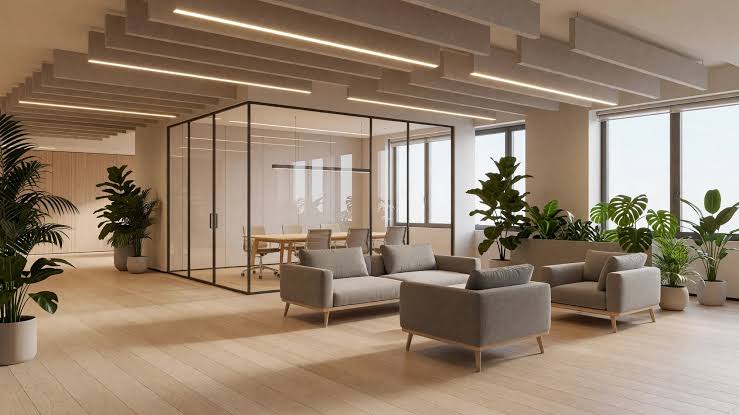
- Conference rooms, classrooms, and open offices may benefit from sound-absorbing materials.
- Patient care and education spaces may require careful phasing to keep occupants safely separated from active work.
Match Wall And Ceiling Materials To The Space
Paint And Protective Coatings
Choose paint and coatings based on cleaning needs, expected abrasion, moisture exposure, and the condition of the substrate. Sheen affects how readily a surface can be cleaned and how clearly imperfections show under lighting. Color and texture also matter because heavily used surfaces can reveal marks, touch-ups, and wear over time. Industrial or utility areas may need coatings selected for specific chemical, moisture, or abrasion exposure.
Drywall And Wall Assemblies
Drywall performance begins behind the finished surface. Proper framing, fastening, joint treatment, and surface preparation help create a stable base for paint, wallcoverings, panels, or specialty finishes. When fire resistance, impact resistance, or sound control matters, select a tested wall assembly rather than relying on the appearance of individual materials.
Acoustic Ceilings And Wall Panels
Acoustic treatment can improve speech clarity and reduce echo within a room, but sound absorption is different from sound isolation. Sound-absorbing ceiling tiles or wall panels help manage reverberation in spaces such as restaurants, classrooms, and open offices. Limiting sound transfer between rooms requires attention to the complete partition, including insulation, sealing, penetrations, doors, and wall construction.
Build Safety Into The Finish Schedule
Fire performance should be reviewed during design, before materials are ordered or work begins. Identify required ratings for walls, ceilings, shafts, and penetrations. Confirm that specified products belong to the applicable tested assembly, coordinate firestopping with mechanical, electrical, and plumbing work, and document approved field changes. Project-specific code decisions should be made with qualified design and code professionals.
Consider Indoor Air Quality During Renovation
Renovation can introduce dust, odors, and airborne particles into occupied areas. Separate work zones, protect return-air openings, use appropriate ventilation and filtration practices, and schedule high-odor tasks during low-occupancy periods when possible. Building managers can also use planning measures for indoor air quality in commercial buildings when evaluating filtration, HVAC operation, and occupant protection during poor outdoor-air conditions.
Plan For Occupied Buildings
Occupied projects need a clear phasing plan. Divide work into defined zones, establish daily cleanup and access procedures, protect finished surfaces and equipment, and keep emergency routes available. Regular updates to tenants, staff, and facility managers help prevent surprises. In one occupied office renovation, off-hours work, centralized staging, and daily coordination helped limit noise, access, and operational impacts.
Use A Simple Finish Selection Checklist
- Where will the material be installed, and how much traffic will it receive?
- Will it face moisture, grease, chemicals, impacts, or frequent cleaning?
- Does the wall or ceiling assembly need a fire rating?
- Are sound absorption or sound isolation goals involved?
- Can damaged areas be repaired without replacing a large section?
- Is the material available within the project schedule?
- Does installation require special ventilation, tools, access, or curing time?
- How will the finish look after years of normal use?
Coordinate Trades Before Work Begins
Painting, drywall, ceilings, wall protection, lighting, and mechanical work must be sequenced carefully. Late changes can create misplaced penetrations, damaged finishes, and avoidable rework. Hold a pre-installation meeting with the owner, designer, general contractor, and specialty trades to review samples, mockups, product data, access requirements, and protection responsibilities.
Balance Appearance With Long-Term Value
Evaluate finishes for repairability, cleaning demands, moisture resistance, resistance to dents and stains, and compatibility with future renovations. A polished opening-day appearance is important, but a finish should also remain practical after repeated cleaning, furniture moves, and everyday contact.
Common Questions About Commercial Interior Finishes
What Is The First Step In Choosing A Commercial Finish?
Start with room use, cleaning frequency, and the types of wear the surface will experience.
Should Acoustics Be Planned Before Construction?
Yes. Acoustic performance depends on the full room and wall assembly, so early planning preserves more options.
Is A More Expensive Finish Always Better?
No. The best finish is the one that matches the space, exposure conditions, maintenance plan, and performance goals.
Final Planning Steps For 2026 Projects
- Define the operating conditions for each room.
- Set durability, safety, acoustic, and maintenance goals.
- Confirm compatible assemblies and installation requirements.
- Coordinate specialty trades before ordering materials.
- Plan ventilation, protection, cleanup, and occupied-area access.
- Document approvals, samples, testing, and field changes.
Conclusion
Commercial interior finishes perform best when they are planned as part of the building’s overall system. By selecting materials for real-world use and coordinating installation conditions early, project teams can create interiors that look professional, support occupants, and remain easier to maintain after turnover.