

Understanding Emotional Challenges During Childhood
Childhood is a period of significant emotional, social and psychological development. As children grow, they encounter new experiences, develop friendships and learn how to manage increasingly complex feelings.
Although many children navigate these challenges with support from parents and teachers, others may experience emotional difficulties that require additional guidance.
For families considering children’s counselling in Coventry, understanding how professional support works can help parents make informed decisions about their child’s wellbeing.
Children may experience anxiety, low confidence, friendship difficulties, family changes or school-related pressures.
These experiences can influence behaviour, relationships and participation in everyday activities.
Recognising Signs of Emotional Distress
Children do not always communicate their feelings in the same way as adults.
Younger children may lack the vocabulary to explain difficult emotions, while older children sometimes avoid discussing concerns because they feel embarrassed or worry about upsetting family members.
Emotional difficulties may therefore become apparent through changes in behaviour.
Parents might notice increased irritability, withdrawal from social activities, reluctance to attend school or changes in sleeping patterns.
Some children become unusually worried or seek constant reassurance.
Others may experience frequent emotional outbursts or struggle to concentrate.
These behaviours do not necessarily indicate a mental health condition, but persistent changes that interfere with everyday life may benefit from professional assessment.
How Children’s Counselling Works
Children’s counselling is generally adapted to suit the child’s age, developmental stage and individual circumstances.
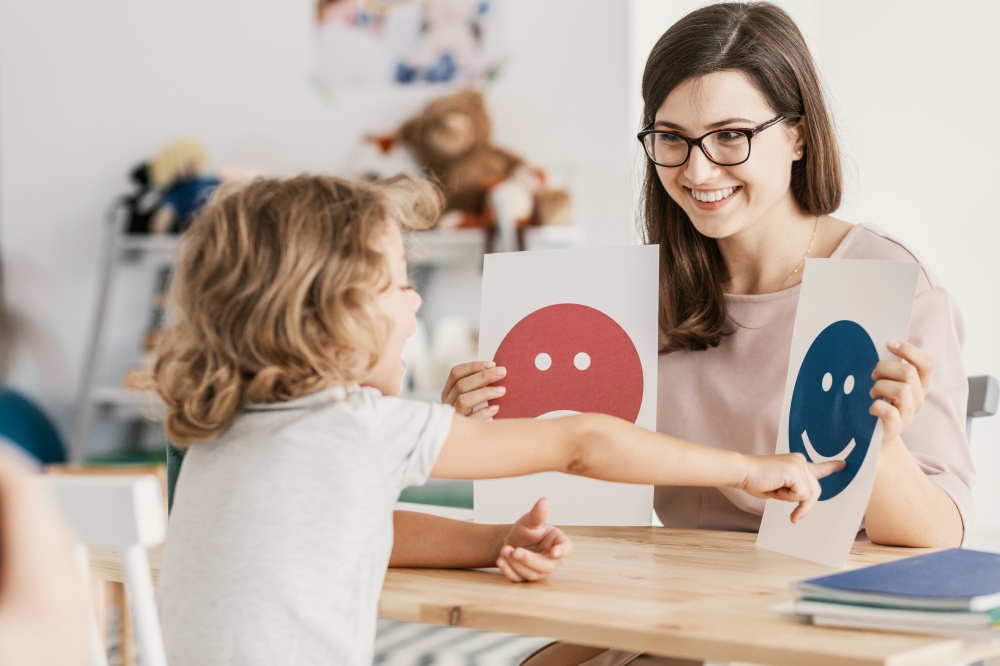
Younger children may find it easier to communicate through creative activities rather than direct conversation.
Appropriately trained counsellors may use drawing, storytelling, play-based techniques or other structured activities.
These approaches can help children express experiences that they find difficult to explain verbally.
Older children and teenagers may prefer talking therapies that allow them to discuss friendships, family relationships, school pressures and personal concerns.
The aim is to create a supportive environment where children feel respected, understood and able to explore their emotions.
Supporting Children With Low Confidence
Confidence plays an important role in childhood development.
Children who struggle with self-esteem may avoid unfamiliar activities, worry excessively about making mistakes or compare themselves negatively with others.
These feelings can affect friendships, school participation and willingness to try new experiences.
Counselling may help children explore the beliefs contributing to low confidence and develop a more balanced understanding of their abilities.
For example, a child who believes that making mistakes means they have failed may benefit from learning to view setbacks as opportunities for development.
Building confidence is usually a gradual process involving encouragement, emotional understanding and positive experiences.
Helping Children Manage School-Related Anxiety
School can create a variety of emotional challenges.
Academic expectations, examinations, friendship difficulties and social pressures may contribute to anxiety.
Some children worry about disappointing teachers or parents, while others fear embarrassment or rejection.
Bullying can also have a significant effect on emotional wellbeing.
Children experiencing school-related anxiety may become reluctant to attend lessons or participate in activities.
Counselling can provide an opportunity to explore these concerns and develop coping strategies.
Where appropriate, communication between parents, teachers and relevant professionals may help create a more supportive environment.
The Role of Parents and Carers
Parents and carers play an essential role in supporting children’s emotional development.
Listening carefully, providing reassurance and encouraging open communication can help children feel emotionally secure.
It is important to avoid dismissing concerns simply because they appear minor from an adult perspective.
Children may experience situations differently, and their feelings deserve consideration.
When a child attends counselling, parental involvement depends on age, individual needs and safeguarding arrangements.
A qualified counsellor should explain confidentiality and how information may be shared when necessary to protect the child’s wellbeing.
Choosing Children’s Counselling in Coventry
When exploring children’s counselling services in Coventry, parents should consider whether the professional has appropriate qualifications and experience working with young people.
It is also helpful to understand the therapeutic approach used and how sessions are adapted for different ages.
Parents may wish to ask about initial assessments, safeguarding procedures and how progress is reviewed.
A suitable counsellor should provide clear information and create an environment where the child feels comfortable.
Supporting Long-Term Emotional Development
Children benefit from learning how to recognise emotions, communicate their needs and respond to difficult situations.
Professional counselling may support these skills while helping young people navigate immediate concerns.
For families in Coventry, seeking appropriate support can be an important step towards helping children develop greater confidence, emotional awareness and resilience.