
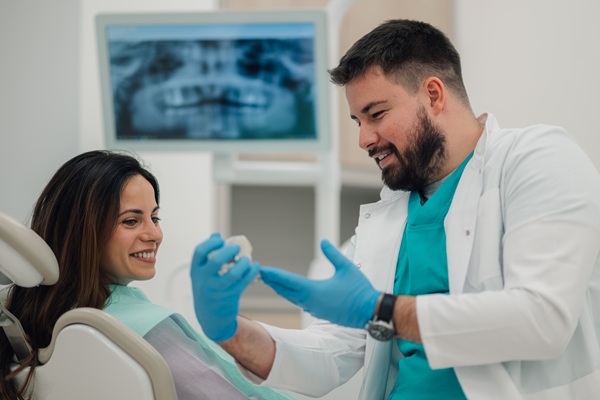

Aging changes your mouth. Teeth wear down. Gums pull back. Medication dries your mouth and raises your risk for decay and infection. You may feel tempted to delay care or skip visits to save time or money. That choice often leads to pain, emergency visits, and higher costs. Regular checkups with a trusted dentist in Glen Ellyn, IL protect more than your smile. They support your ability to eat, speak, and connect with others. They also help your medical team watch for signs of diabetes, heart disease, and even cancer that often first show in your mouth. This blog shares three clear reasons you should keep routine general dentistry visits on your calendar as you age. You will see how steady care offers early warning, less pain, and more control over your health.
1. You Catch Problems Early Before They Steal Comfort
Small mouth problems grow fast. A tiny cavity turns into a cracked tooth. Mild gum swelling turns into loose teeth. Early care stops that chain.
During a routine visit, your dentist and hygienist can
- Check every tooth for soft spots and cracks
- Measure your gums for early gum disease
- Look for dry mouth damage from medicine
- Watch for sores that do not heal
The National Institute of Dental and Craniofacial Research explains that tooth decay and gum disease remain common in older adults and often go untreated until late stages.
Routine visits give you three layers of protection.
- Prevention. Cleanings remove plaque and tartar that you miss at home.
- Early warning. X-rays and exams find hidden decay and bone loss.
- Quick care. Small fillings and simple gum treatment cost less and hurt less.
Seniors often live with quiet pain. You may tell yourself it is “normal for your age.” It is not. Regular general dentistry visits give you a clear plan to stay ahead of pain and keep your teeth working as long as possible.
2. You Lower Risks Linked To Other Health Conditions
Your mouth connects to the rest of your body. Infection in your gums can strain your heart, lungs, and blood sugar control. Bleeding gums and loose teeth are not only mouth problems. They act as warning signs for deeper disease.
Research shared by the Centers for Disease Control and Prevention shows strong links between poor oral health and chronic conditions such as diabetes and heart disease.
Regular dental visits help you manage three common health concerns.
- Diabetes. Gum disease makes blood sugar harder to control. Cleanings and home care cut that burden.
- Heart disease and stroke. Long lasting mouth infection can add stress to your heart and blood vessels.
- Lung disease. Bacteria from the mouth can reach the lungs and raise the risk of pneumonia.
During each visit, your dentist can
- Review your medicine list and note dry mouth risk
- Check for mouth sores linked to immune problems or anemia
- Share updates with your doctor when they see patterns of concern
You gain a team that sees your health from two sides. Your doctor watches your blood, heart, and lungs. Your dentist watches your gums, bones, and soft tissue. Together, they catch changes sooner. That teamwork can shorten hospital stays and prevent sudden health shocks.
3. You Protect Daily Quality Of Life
Teeth do more than chew food. They shape your words. They support your jaw and face. They also affect how you feel in social settings. When your mouth hurts or you feel worried about your smile, you may avoid family meals, parties, and even phone calls.
Routine dental visits help you keep three basic daily needs.
- Eating. Healthy teeth and gums help you chew fruits, vegetables, nuts, and lean meats. That supports stronger bones and muscles.
- Speaking. Stable teeth and dentures help you speak clearly and reduce frustration and shame.
- Connecting. A clean, cared-for mouth reduces bad breath and boosts comfort around others.
If you wear dentures or partials, regular checks matter just as much. Gums and jawbone change shape with age. Poorly fitting dentures can cause sores, cause infections, and change your bite. Your dentist can adjust or reline them to restore comfort.
Comparing Oral Health Outcomes With And Without Regular Visits
The table below shows how regular general dentistry visits compare with rare or emergency-only visits for many seniors. These are common patterns, not strict rules. Your own experience may differ.
| Oral Health Factor | Seniors With Regular Dental Visits | Seniors Without Regular Dental Visits
|
|---|---|---|
| Tooth loss over 5 to 10 years | Fewer extractions. Many natural teeth were kept. | Higher chance of losing several teeth. |
| Gum disease progress | Early-stage problems treated and slowed. | Late-stage disease is common. Teeth become loose. |
| Dental costs | More small visits. Fewer sudden high bills. | Fewer visits. Higher cost per visit and more urgent care. |
| Pain levels | Short episodes. Problems handled early. | Frequent severe pain. More infections and abscesses. |
| Eating and nutrition | Better chewing. Wider food choices. | Hard time chewing. Limited diet and weight change. |
| Social confidence | More comfort, smiling and speaking. | More hiding of teeth. Less desire to join social events. |
How To Make Dental Visits Easier As You Age
Regular care feels hard when you live with a limited income, pain, or trouble moving. You can still take clear steps.
- Tell the office about health conditions and medicine when you schedule.
- Ask about shorter visits spread across more days.
- Bring a list of questions and concerns so nothing gets missed.
- Arrange a ride with family, neighbors, or local senior transit.
- Use reminders on a calendar or phone so appointments stay on track.
You deserve a mouth that feels calm and strong. Regular general dentistry visits give you early warning, safer health, and better daily life. Start with one routine visit. Then keep going. Your future self will feel the difference every time you eat, speak, and smile.