
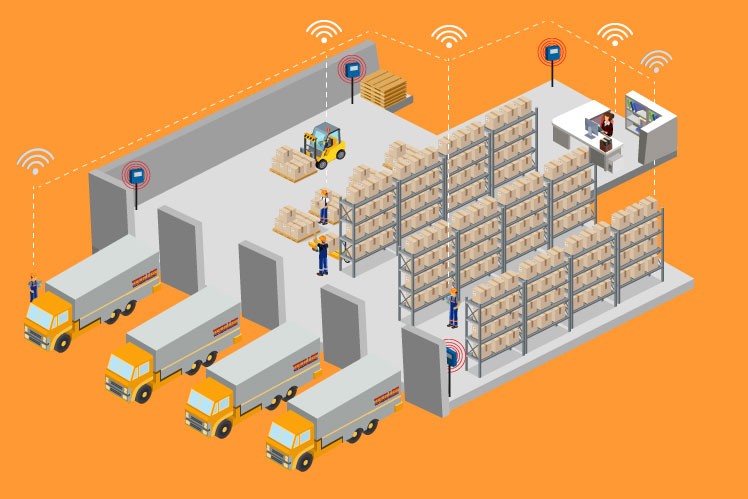

In today’s rapidly evolving logistics landscape, warehouses must constantly adapt to meet rising expectations in speed, efficiency, and accuracy. Increasing consumer demands, tight supply chains, and global e-commerce growth have placed unprecedented pressure on warehouse operations to stay agile and competitive. This transformation depends heavily on adopting smart material-handling solutions and integrated systems that leverage the latest technologies to streamline workflows, reduce manual intervention, and maximize productivity. Companies such as Worksaver Material Handling Equipment Co., a trusted veteran- and woman-owned business based in Shawnee, Oklahoma, are prime examples of industry leaders providing comprehensive material handling equipment solutions. With over 115 years of combined experience, Worksaver’s expertise spans custom design, engineering, and the installation of solutions tailored for multiple sectors, including manufacturing, defense, distribution, and aviation. Their commitment to quality and innovation reflects the broader industry trend toward smarter, more adaptable warehouse environments.
Automation and Robotics in Material Handling
Automation has become the cornerstone of the modern warehouse, transforming traditional operations by dramatically reducing reliance on manual processes and boosting overall efficiency. Among the most impactful innovations are:
- Autonomous Mobile Robots (AMRs): Autonomous Mobile Robots (AMRs) navigate warehouse floors without fixed paths, using sensors, cameras, and advanced AI to detect obstacles and adjust routes in real time. They efficiently handle tasks like order picking, material replenishment, and transfers, making them essential for businesses aiming to improve flexibility, reduce human error, and speed up order fulfillment. AMRs are scalable and can adapt to changing demands by updating their software, eliminating the need for infrastructure changes.
- Automated Guided Vehicles (AGVs): AGVs are automated vehicles that transport materials in warehouses, typically following predefined paths marked by magnetic strips or advanced navigation systems. Equipped with obstacle detection systems, they operate safely around workers and equipment. By automating transport tasks, AGVs minimize accidents and product damage, ensuring smooth workflows during busy times. Their integration with warehousing software enhances delivery accuracy, supporting just-in-time inventory and lean operations.
By implementing these advanced automation and robotics solutions, warehouses can shift to 24/7 operations, delivering unprecedented productivity gains, greater inventory management accuracy, and timely order fulfillment, while creating safer working environments for employees.
IoT and Real-Time Monitoring
The Internet of Things (IoT) is revolutionizing how warehouses manage assets, inventory, and equipment health through real-time, interconnected monitoring systems. Smart warehouses deploy a network of IoT-enabled sensors, RFID tags, and controllers that continuously gather and relay critical data from across the facility. This includes tracking inventory locations, stock levels, material flow, and even metrics such as temperature and humidity, ensuring goods are stored in optimal conditions at all times. With this real-time visibility, warehouse managers can detect deviations, such as inventory nearing low thresholds or machinery showing early signs of malfunction, and respond proactively to prevent disruptions. Additionally, integrating IoT data with warehouse management systems streamlines the replenishment process and reduces stockouts and overstocking by providing timely, actionable insights. As a result, IoT-driven real-time monitoring not only accelerates the speed and reliability of warehouse operations but also supports smarter, data-backed management strategies across the entire supply chain.
Data-Driven Operations
Data-driven decision-making lies at the heart of modern material handling, as warehouses increasingly depend on digital intelligence to develop more responsive and efficient operations. Through automated data collection from sensors, machinery, scanners, and connected devices, warehouses amass vast volumes of operational information without the inaccuracies of manual record-keeping. Advanced analytics platforms process this data in real time, uncovering patterns that inform better decisions, from determining optimal storage configurations and streamlining picking routes to forecasting demand spikes. Artificial intelligence and machine learning algorithms take this a step further by predicting future trends, allowing warehouse managers to preempt bottlenecks, optimize labor allocation, and fine-tune workflows for maximum productivity. This approach not only ensures that warehouses remain agile and scalable but also empowers teams to pivot quickly in response to shifting market demands or supply chain disruptions, keeping businesses competitive in an ever-changing global landscape.
Human-Machine Collaboration
Modern warehouses increasingly rely on collaboration between human workers and smart machines, enhancing efficiency and safety. Collaborative robots, or cobots, assist humans by performing repetitive or challenging tasks such as order picking, sorting, and assembly. Wearable technologies, like augmented reality glasses, provide real-time guidance, reducing errors and training time. Exoskeletons help with lifting and repetitive movements, lowering the risk of injuries and fatigue. This combination of human intuition and robotic accuracy enhances productivity and fosters a more engaging and sustainable workplace.
Sustainability in Material Handling
Sustainability is a key focus in material handling, as warehouses aim to meet environmental goals while maximizing efficiency. A significant transition is underway from fossil-fuel-powered equipment to electric alternatives, such as battery-powered forklifts and AGVs, which help reduce greenhouse gas emissions and operating costs. Energy-efficient technologies, such as low-power conveyors and smart HVAC controls, also cut energy consumption. Many warehouses are incorporating renewable energy sources, such as solar panels, to decrease their carbon footprint. Sustainable practices extend to packaging, emphasizing recyclable materials and waste reduction. These initiatives attract eco-conscious consumers and help organizations comply with regulations, enhance brand reputation, and achieve long-term savings and resilience.
Conclusion
Smart material-handling solutions are reshaping the future of warehouse operations by integrating automation, IoT (Internet of Things), and AI into logistics management. These technologies enable warehouses to achieve new levels of efficiency, accuracy, safety, and sustainability. By adopting these advancements, companies can better address the challenges of an evolving marketplace while serving their customers more quickly and precisely. Established providers continue to offer cutting-edge material handling equipment and industry expertise that help businesses thrive in this dynamic environment. As technology advances, the warehouses of the future will become increasingly intelligent, connected, and sustainable.