
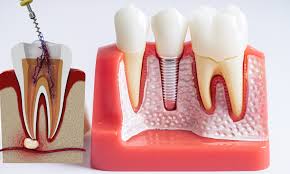

Root canals carry a heavy reputation. You may picture sharp tools, long visits, and endless pain. That story is wrong. Modern root canals protect your teeth and stop deep pain. They do not cause it. Fear often grows from old stories, not facts. Those stories can keep you from getting the care you need. That delay can lead to infection, swelling, or tooth loss. You deserve clear answers. This blog breaks down five common myths about root canals so you can see what really happens during treatment. You will learn what pain to expect, how long recovery takes, and why saving your natural tooth often beats pulling it. You will also see how an endodontist in Bolingbrook, IL uses current tools and safe methods to treat damaged teeth with less stress and less fear.
Myth 1: Root canals always hurt
Old stories about root canals come from a time before modern numbing medicine. Today, a root canal often feels similar to getting a filling. You feel pressure. You should not feel sharp pain. If you do, you can raise your hand. The dentist can give more numbing medicine.
Pain usually comes from the infection inside the tooth, not from the treatment. A root canal cleans out that infection. Then it seals the tooth. That stops the deep, throbbing ache that keeps you awake at night.
Here is what you can expect during treatment.
- The dentist checks the tooth with an exam and X-rays.
- Your mouth is numbed in the treatment spot.
- The dentist places a small cover around the tooth to keep it clean.
- Infected tissue is removed, and the inside of the tooth is cleaned.
- The space is filled and sealed to block germs.
After the numb feeling wears off, the tooth may feel sore when you bite. That soreness often fades over a few days. Simple pain pills can help during that time. You can read about pain control and dental care from the National Institute of Dental and Craniofacial Research.
Myth 2: Pulling the tooth is safer than a root canal
Many people think removal is the easy way out. In truth, saving your natural tooth often protects your health better.
Root canal vs tooth removal
| Choice | Short term effect | Long term effect
|
|---|---|---|
| Root canal | Infection cleared. The tooth stays in place. | Normal chewing. Less shifting of nearby teeth. |
| Tooth removal | Gap in your smile. The bone starts to shrink. | Teeth can move. Bite can change. May need a bridge or an implant. |
Natural teeth help you chew well and speak clearly. They also support your jawbone. When a tooth is pulled, the bone in that spot can shrink. That change can affect your face shape over time.
To replace a pulled tooth, you often need a bridge, partial denture, or implant. These choices can cost more time and money than a root canal and crown. They also need future care and repair.
Myth 3: Root canals cause illness in the body
Some old claims say root canals spread sickness through the body. These claims come from research that is almost a century old. That research used poor methods and has been rejected by modern science.
Current studies show no clear link between root canal treatment and diseases like heart disease, arthritis, or cancer. Healthy people and people with long-term health problems both receive root canals safely every day.
Gum disease and untreated tooth infections can affect your general health. Removing infection through proper dental care can support your overall wellness. You can review science-based facts about oral health and the body from the Centers for Disease Control and Prevention.
Myth 4: Root canals take many long visits
Modern tools and X-rays let dentists work with accuracy. Many root canals are finished in one or two visits. The number of visits depends on three things.
- How severe the infection is.
- Which tooth is treated.
- Your general health.
Front teeth have fewer roots. They often need less time. Back teeth have more roots and can need a longer visit. Even then, most people sit through treatment without trouble. You can bring headphones. You can ask for short breaks.
After the root canal, you often need a crown to protect the tooth. That may be a separate visit. The crown helps the tooth handle chewing and protects it from cracks.
Myth 5: You only need a root canal if you feel severe pain
Lack of pain does not always mean your tooth is healthy. A tooth can lose feeling when the nerve inside dies. Infection can still grow at the tip of the root. That infection can spread into the bone and nearby tissue.
Warning signs can include three things.
- Swelling of the gums or face.
- A pimple-like bump on the gum near the tooth.
- Change in tooth color, such as gray or dark yellow.
Regular dental visits can catch these problems early. X-rays can show infection at the root before you feel severe pain. Early care often means easier treatment and a better chance to save the tooth.
How to prepare for a root canal
Clear steps can calm fear. You can take three simple actions before your visit.
- Share your health history and all medicines with your dentist.
- Ask what will happen during each step of the visit.
- Plan your ride home if you feel nervous or need extra medicine.
After treatment, you can protect the healing by following directions closely. You should chew on the other side of your mouth until the final crown is in place. You should keep up with daily brushing and flossing. You should call the office if the pain grows stronger after a few days or if you see new swelling.
When to see an endodontist
General dentists handle many root canals. Sometimes they refer you to a specialist called an endodontist. You may need an endodontist if the tooth has curved roots, a past root canal that failed, or complex root shapes on X-ray.
An endodontist uses focused training and current tools to work inside teeth. Care in that setting can feel more controlled. That can help lessen fear and shorten healing time.
Final thoughts
Fear of root canals often rests on myths. Modern treatment aims to remove pain, clear infection, and save your natural tooth. You do not need to suffer from deep tooth pain or avoid care because of old stories. You can ask questions, seek clear facts, and choose treatment that protects your mouth and your body.