
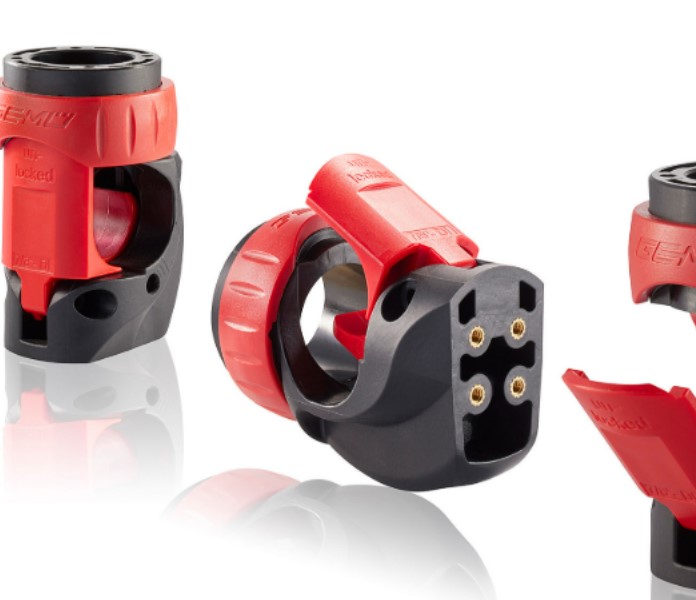

Modern product development increasingly demands components that combine multiple materials, textures, or mechanical properties within a single part. This trend has accelerated the adoption of multi-material tooling, advanced injection molding, and precision mold engineering across industries such as automotive, medical devices, consumer electronics, and industrial equipment.
Manufacturers today are expected to deliver products that are lighter, stronger, and more functional, while also reducing assembly steps and production costs. Technologies such as multi-component injection molding, two shot injection molding, and overmolding processes allow engineers to integrate multiple materials like ABS, TPE, PC, and PEEK within a single manufacturing cycle. These solutions significantly improve product performance while maintaining efficient large-scale production.
The Growing Demand for Multi-Material Tooling
As global manufacturing evolves, product designers are moving beyond single-material components. Instead, they rely on multi-material molding technologies to combine rigid plastics with flexible surfaces or integrate transparent and structural materials in one part.
For example, a modern consumer electronics housing may require a rigid PC or ABS structure for durability while incorporating a soft thermoplastic elastomer (TPE) layer for grip. Similarly, automotive interior switches often combine polycarbonate (PC) with rubber-like materials to improve tactile feedback and long-term durability.
These requirements have pushed mold engineering toward complex tooling architectures, including rotary platen systems, multi-cavity molds, and sequential injection systems. Precision tooling allows manufacturers to create highly integrated products while minimizing secondary assembly operations.
| Manufacturing Stage | Typical Engineering Focus | Purpose |
|---|---|---|
| Product Design Review | DFM analysis, material compatibility | Reduce molding risk |
| Mold Engineering | multi-component mold design | Enable precise material placement |
| Tool Fabrication | CNC machining and EDM processing | Achieve micron-level precision |
| Trial Validation | T1 and T2 mold testing | Optimize part quality |
This structured workflow ensures that complex multi-material tooling systems deliver reliable performance during production.
Engineering Challenges in Multi-Material Mold Design
Designing molds for multi-material applications is significantly more complex than traditional single-shot tooling. Engineers must consider factors such as material bonding compatibility, thermal expansion differences, and precise injection sequencing.
For example, when combining ABS with TPE, the two materials must chemically bond during the molding process. If temperature, pressure, or surface energy conditions are incorrect, the bond strength may be insufficient.
Another challenge involves mold alignment and cavity accuracy. In processes such as two shot injection molding, the first molded component must be perfectly positioned before the second material is injected. Even slight misalignment can cause dimensional defects.
| Engineering Factor | Impact on Tooling | Typical Solution |
|---|---|---|
| Material Compatibility | Determines bonding strength | Use compatible polymers |
| Mold Alignment | Affects part geometry | High-precision tooling systems |
| Injection Temperature | Influences bonding | Controlled thermal management |
| Cooling Channels | Impacts cycle time | Optimized cooling layouts |
Addressing these variables early in the tooling development phase significantly improves production stability.
Key Technologies Driving Multi-Material Tooling
Several advanced manufacturing technologies support the development of complex multi-material injection molding systems.
One of the most widely used approaches is two shot injection molding, where two different materials are injected sequentially into a single mold. This method allows rigid plastics to combine with elastomers, improving both functionality and product ergonomics.
Another common technique is overmolding, where a secondary material is molded over an existing substrate. This approach is frequently used in medical devices, industrial tool handles, and electronic connectors.
High-performance polymers such as PEEK, PPS, and PA66 are also becoming more common in multi-material applications. These materials provide excellent chemical resistance and mechanical strength, making them suitable for demanding industries.
| Multi-Material Technology | Typical Application | Advantage |
|---|---|---|
| Two Shot Injection Molding | Consumer electronics housings | Integrated materials |
| Overmolding Process | Tool handles and medical devices | Improved grip |
| Insert Molding | Electrical connectors | Embedded components |
| Multi-Cavity Tooling | High-volume production | Increased efficiency |
These technologies enable manufacturers to create highly integrated products with fewer assembly steps.
Real-World Applications Across Industries
The benefits of multi-material tooling solutions are visible across multiple sectors.
Consumer Electronics
Modern devices often incorporate soft-touch surfaces, transparent elements, and rigid structural components. Multi-material molding enables these features to be produced within a single production cycle. For instance, smartphone housings may combine polycarbonate frames with elastomer edges for improved impact resistance.
Automotive Components
Automotive manufacturers rely heavily on multi-component injection molding to produce interior controls, seals, and sensor housings. Materials like ABS, TPU, and PA66 are frequently combined to deliver durability and design flexibility.
Medical Devices
Medical equipment requires strict hygiene standards and precise functionality. Multi-material molds are used to produce items such as diagnostic equipment housings, surgical instrument handles, and drug delivery devices. The integration of materials improves ergonomics while maintaining structural integrity.
These applications demonstrate how precision tooling supports modern product innovation.
Efficiency Gains in Modern Tooling Systems
One major advantage of advanced multi-material tooling solutions is improved manufacturing efficiency. By integrating multiple materials into a single molding cycle, manufacturers can eliminate secondary assembly operations.
In traditional production workflows, separate components must be molded individually and then assembled using adhesives or mechanical fasteners. Multi-material molding removes these steps.
| Production Approach | Manufacturing Steps | Typical Result |
|---|---|---|
| Traditional Assembly | Multiple molds + manual assembly | Higher labor cost |
| Multi-Material Tooling | Single mold cycle | Reduced production time |
| Automated Injection Systems | Fully integrated process | Higher consistency |
These improvements reduce labor costs, improve part consistency, and increase production throughput.
Material Selection in Multi-Material Applications
Material compatibility plays a critical role in successful multi-material injection molding projects. Engineers must carefully select polymers that can bond effectively during the molding process.
Common combinations include:
- ABS + TPE for ergonomic consumer products
- PC + TPU for durable electronic housings
- PP + rubber elastomers for medical grips
- PEEK + high-temperature polymers for industrial components
Selecting the correct materials ensures long-term durability and structural integrity. At the same time, careful control of mold temperature, injection pressure, and cooling rates helps maintain consistent product quality.
Experienced injection molding manufacturers such as LZ Tooling often collaborate with product designers during the early DFM (Design for Manufacturability) stage to identify the most suitable material combinations for complex molding components.
Delivering Value Through Precision Tooling
Precision tooling is not just about manufacturing parts—it is about solving real engineering challenges. Companies increasingly rely on high-precision mold fabrication, CNC machining, and advanced cooling channel design to improve product reliability and reduce production cycles.
For example, optimized cooling channels within molds can reduce cycle times by 15–30 percent, significantly improving manufacturing efficiency in high-volume production. Similarly, well-designed multi-cavity molds allow manufacturers to produce multiple components per cycle, increasing productivity without compromising quality.
The Future of Multi-Material Tooling
The future of multi-material injection molding technology is closely tied to automation, digital manufacturing, and material innovation. Emerging technologies such as smart mold monitoring systems, AI-driven process optimization, and conformal cooling channels are reshaping how molds are designed and manufactured.
As product designs continue to evolve, manufacturers will require even more advanced precision tooling systems capable of producing complex components with minimal variation. Multi-material solutions will remain a key driver of innovation across sectors ranging from consumer electronics to medical technology.
Ultimately, the advancement of complex multi-material tooling solutions is helping manufacturers achieve higher levels of performance, efficiency, and product integration—supporting the next generation of precision-engineered products.