
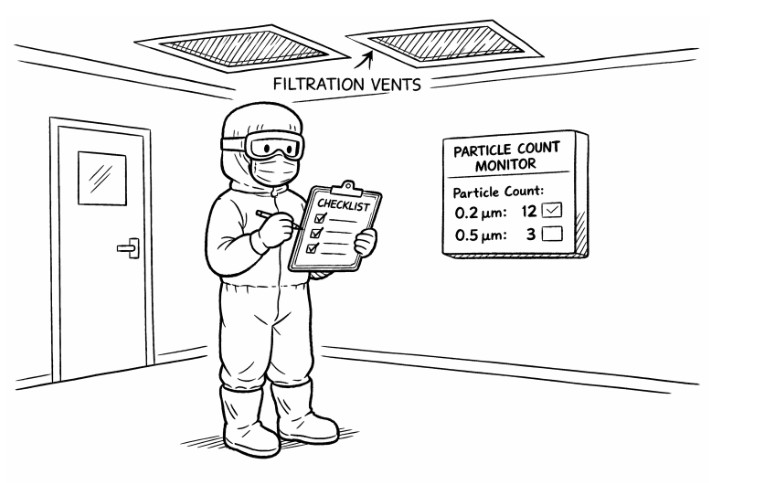

Ensuring that a cleanroom meets rigorous certification standards is pivotal for industries such as pharmaceuticals, biotechnology, and electronics. Operating an effective cleanroom is not just about cleanliness; it requires adhering to international standards and processes that ensure your environment remains consistently optimal for sensitive manufacturing and research tasks. For those seeking expert guidance, connecting with specialized cleanroom certification companies can streamline the certification process and provide ongoing compliance support.
Cleanrooms are integral to protecting products and processes from contamination, safeguarding the quality and reliability of everything from medicines to microchips. Neglecting proper certification can result in regulatory non-compliance, costly shutdowns, or compromised products. This is why cleanroom certification is not just a regulatory step but a foundational business investment.
Adhering to well-established standards helps create systems that control particle counts, temperature, humidity, and air pressure. Cleanroom operators must be vigilant in their design and operations, as even minor lapses can have significant consequences for product safety and company reputation.
Understanding the principles of cleanroom management can be a complex task for both new facilities and long-established companies. Expanding your knowledge can help you avoid missteps during setup or maintenance. For authoritative guidance on technical requirements and best practices for controlled environments, the International Organization for Standardization offers direct access to the standards documentation at ISO 14644-1:2015 overview.
Understanding Cleanroom Standards
Cleanrooms are highly controlled spaces where atmospheric pollutants such as dust, airborne microbes, and aerosol particles are kept at defined limits. Their foundation is the ISO 14644 series of standards, which specifies the classification of air cleanliness by particle concentration. For example, an ISO Class 5 cleanroom must not exceed 3,520 particles per cubic meter at 0.5 micrometers or larger.
This grading applies to everything from the room’s air filtration systems to the materials and procedures used inside. For facilities handling human or veterinary pharmaceuticals, compliance also means aligning with GMP (Good Manufacturing Practice) regulations. Meeting these standards ensures your products are fit for the market and meet strict regulatory expectations.
To maintain or reach this compliance, both infrastructure and procedural rigor are important. ISO 14644 also requires regular reassessment, including environmental monitoring and documentation to verify that conditions remain within specified limits.
For further detailed explanations of the ISO standards and their applications in cleanroom certification, the International Organization for Standardization offers direct access to the standards documentation at ISO 14644-1:2015 overview.
Best Practices for Cleanroom Certification
Certification is not a one-time activity but an ongoing process. The best cleanroom operations layer both proactive and reactive practices to maintain integrity and compliance:
- Regular Monitoring: Facilities must deploy continuous particle monitoring systems, especially in ISO Class 5 and cleaner environments. This helps detect and mitigate airborne contamination in real time.
- Comprehensive Training: Staff must be trained not only on general procedures but also on specific contamination control techniques and proper gowning methods. Recurrent training programs are key for retention and adaptation to standard updates.
- Routine Maintenance: HEPA or ULPA filters and the HVAC system should be checked regularly as part of preventive maintenance. Filter integrity tests, pressure differentials, air change rates, and equipment calibration help sustain compliance and protect sensitive operations.
- Strict Entry Procedures: Enforcing gowning rules and limiting personnel traffic are simple steps that significantly reduce contamination risks. Entry protocols should be documented and subject to random audits to ensure effectiveness.
Adopting electronic logbooks and automated monitoring systems can enhance accuracy and traceability, making audits smoother and more reliable.
Common Myths About Cleanrooms
There are a number of misconceptions about cleanroom environments that can disrupt facility management or lead to unnecessary expenses:
- Myth 1: Cleanrooms Are Completely Sterile.
- While they are designed to minimize particle and microbial loads, no cleanroom aiming for certification is absolutely sterile. Routine cleaning and disinfection protocols are designed to manage inevitable biological presence, maintaining contaminant levels below defined thresholds rather than eliminating them entirely.
- Myth 2: Cleanrooms Are Used Only in Cutting-Edge Technology Fields.
- While many associate them with electronics and pharmaceuticals, cleanrooms are critical in fields as diverse as aerospace, medical device manufacturing, food production, and even hospital surgery suites.
- Myth 3: Cleanroom Operations Are Always Expensive.
- The initial investment in design and installation can be high, but these costs are often offset by savings from fewer contamination-related recalls, greater customer trust, and faster regulatory approvals. Proper maintenance prevents expensive shutdowns or compliance failures down the line.
Recognizing these myths empowers facilities to develop more effective risk management and investment strategies.
Conclusion
Staying current with cleanroom standards, implementing tested best practices, and dispelling misinformation are foundational steps toward effective cleanroom certification and management. These environments are not just technical requirements but strategic assets, vital to product excellence and regulatory success. By taking a proactive, informed approach, companies can maintain superior cleanroom performance and protect their reputations in highly competitive global markets.