


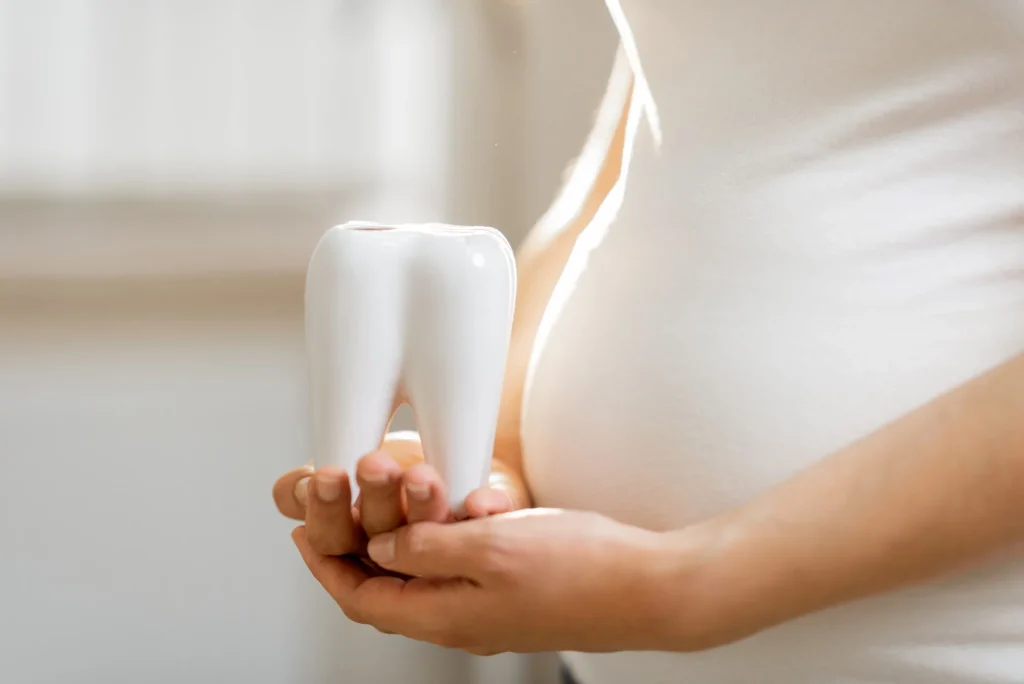
Pregnancy changes your body in many ways, and your oral health is no exception. You might notice swollen gums, bleeding, or even a toothache during this time. These changes aren’t just annoying; they can impact your overall health. Hormonal shifts can make your gums more sensitive, increasing the risk of gum disease. Tooth decay is also more common due to changes in diet or morning sickness. Ignoring these symptoms can lead to bigger issues. Visiting a dentist in Stony Point, NY can help you manage these changes. Regular check-ups and cleanings are more important than ever. You can protect your teeth and gums with simple steps. Brush and floss daily. Eat a balanced diet. Avoid sugary snacks. Always communicate any concerns with your dentist. Understanding these changes and taking action can prevent pain and ensure a healthier pregnancy. Prioritize your oral health for you and your baby.
The Impact of Hormones
During pregnancy, your body produces more hormones, like estrogen and progesterone. These hormones can make your gums react more to plaque, causing inflammation and tenderness. This condition, known as pregnancy gingivitis, affects up to 75% of pregnant women. Symptoms include red, swollen gums and bleeding during brushing. Left untreated, it can progress to periodontitis, a more serious gum disease.
Changes in Eating Habits
Cravings and dietary changes are common during pregnancy. You might reach for sweet or starchy foods more often. While these satisfy cravings, they also increase the risk of cavities. Sugars and starches produce acid, which attacks tooth enamel. Additionally, morning sickness can increase acid in your mouth, further eroding enamel and promoting decay.
Morning Sickness and Its Effects
Morning sickness affects many pregnant women in the first trimester. Frequent vomiting exposes teeth to stomach acids, which can weaken and damage the enamel. To protect your teeth, rinse your mouth with water or fluoride mouthwash after vomiting. Avoid brushing immediately, as this can spread the acid onto more surfaces.
Routine Dental Care
Maintaining routine dental care during pregnancy is essential. Regular check-ups and professional cleanings help keep your teeth and gums healthy. Your dentist can provide advice tailored to your needs, catching problems early and avoiding complications. It’s safe to receive dental care during pregnancy, though the second trimester is often the most comfortable time for appointments.
Simple Steps for a Healthy Mouth
- Brush twice daily with fluoride toothpaste.
- Floss every day to remove plaque between teeth.
- Eat a balanced diet rich in vitamins and minerals.
- Limit sugary and starchy snacks.
- Stay hydrated to promote saliva production.
Table: Comparing Oral Health Before and During Pregnancy
| Oral Health Aspect | Before Pregnancy | During Pregnancy |
|---|---|---|
| Gum Sensitivity | Low | Increased |
| Risk of Gingivitis | Normal | Higher |
| Tooth Enamel Erosion | Normal Risk | Increased Risk |
| Cavity Risk | Standard | Elevated |
Recognizing and Responding to Problems
Be aware of changes in your oral health. If you notice persistent pain, swelling, or bleeding, contact your dentist promptly. Early intervention can prevent more serious issues. Don’t ignore small problems, as they can escalate quickly during pregnancy.
Taking Care for Two
Your oral health affects your baby. Research suggests a link between gum disease and premature birth. Ensuring your mouth is healthy can contribute to a smoother pregnancy and delivery. Good oral care habits benefit both you and your child.
By following these guidelines, you take an important step in caring for yourself and your growing baby. Stay diligent, and ensure regular dental visits are a part of your pregnancy care routine. Your health and your baby’s well-being will thank you.