
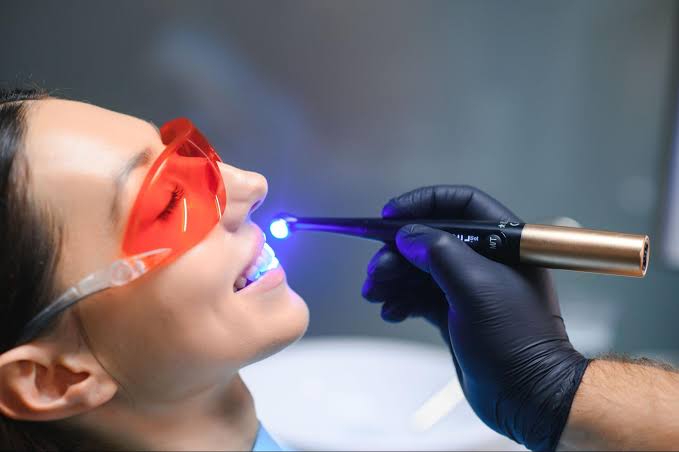

You might be sitting in a waiting room at a dentist near Lawrence MA, looking at old memories of drills, long appointments, and the feeling that you never really know what is happening in your own mouth. At the same time, you hear people talk about digital dentistry, AI, 3D printing, and you wonder if this is just marketing talk or something that could actually make your care easier and less stressful.end
That tension is real. You remember the “before” of dentistry as uncomfortable, uncertain, and sometimes expensive. Now you keep hearing that everything is changing, but no one has really slowed down to explain what that means for you, your time, your wallet, and your health. You deserve that clarity.
Here is the short version. Technology is changing general dentistry in three big ways. First, dentists can see more and guess less, which means earlier detection and more targeted treatment. Second, many procedures are becoming faster and more comfortable, which reduces the number of visits and the amount of drilling. Third, your records and your care are becoming more connected, which can support better long term oral health, not just quick fixes.
So, where does that leave you as a patient who just wants honest, effective care without feeling lost or pressured by fancy gadgets and buzzwords?
What Problems Is Modern General Dentistry Really Trying To Solve For You?
Table Contents
- What Problems Is Modern General Dentistry Really Trying To Solve For You?
- How Are New Dental Technologies Changing What Happens In The Chair?
- What Are The Real Tradeoffs Of Technology In General Dentistry?
- What Can You Do Right Now To Make Technology Work For You, Not Against You?
- Where Do You Go From Here?
Before talking about new tools, it helps to name the old frustrations. For many people, regular dental visits bring up the same worries. “Is this going to hurt?” “How much will this cost?” “Can I trust that I really need this treatment?” Those are not small questions. They shape whether you even book an appointment.
Traditional methods in general dental care often relied on what a dentist could see with the naked eye, a mirror, and standard X rays. Cavities, cracks, and early gum disease can be subtle. That means some problems were missed until they became bigger and more expensive. On the other side, it was hard for a patient to understand what the dentist saw, which could create doubt and anxiety.
Because of this, you may have delayed visits, skipped cleanings, or tried to “tough it out” with pain, hoping it would go away. Then, when you finally went in, you were faced with more complex treatments that felt overwhelming. Emotionally, you might also carry fear from past bad experiences, especially if you felt rushed or not fully informed.
So what is different when we talk about modern digital general dentistry and new technology? The goal is not to impress you. The goal is to answer those same old questions with clearer information and kinder experiences.
How Are New Dental Technologies Changing What Happens In The Chair?
To make this less abstract, imagine three moments in a typical visit. Diagnosis, treatment, and follow up. Technology now touches each of these stages.
During diagnosis, dentists are using tools like digital X rays, 3D cone beam scans, and intraoral cameras. Digital imaging often uses less radiation than older systems and gives sharper, instant images. Intraoral cameras are tiny cameras that show close up pictures of your teeth on a screen. This means you can actually see the crack, the worn filling, or the early cavity instead of taking it on faith. The American Dental Association has highlighted how these digital dentistry technologies support more precise planning and communication.
When it comes to treatment, computer aided design and manufacturing, often called CAD/CAM, allows some dentists to create crowns, onlays, or veneers in office. In practical terms, that can mean fewer visits and fewer temporary crowns. 3D printing is also starting to support things like night guards and models for orthodontic planning. For you, the patient, this can reduce the time you spend in the chair and the number of injections and impressions you need.
Follow up and prevention are changing as well. Electronic records, digital photos, and smart scheduling systems help track changes in your mouth over time. Some practices use AI assisted tools to highlight areas of concern on X rays, which can support the dentist’s judgment and make it easier to explain findings. The ADA has discussed how these digital technologies are changing general dentistry by improving accuracy and patient understanding.
All of this sounds promising, but you might still wonder. Does this mean my care will cost more? Will everything feel cold and “high tech” instead of personal? Those are fair concerns.
What Are The Real Tradeoffs Of Technology In General Dentistry?
Technology does not erase the emotional side of dental care. It can help, but it also brings new questions. Equipment is expensive, and some offices may raise fees to cover it. Not every patient needs every advanced scan. There is a risk of overusing tools just because they are available. At the same time, skipping useful technology can mean missed problems and higher costs later.
The National Institute of Dental and Craniofacial Research has emphasized that oral health is deeply tied to overall health, especially for older adults and people with chronic conditions, and that better prevention and early care are key. You can see this in the Oral Health in America Executive Summary, which highlights how access, education, and modern care all work together.
To make this more concrete, it helps to compare a more traditional visit with one that uses newer tools. This is not about saying one is always better than the other. It is about understanding what you gain and what you might pay, in both money and time.
| Aspect | Traditional General Dentistry | Technology driven general dental care |
| Diagnosis | Visual exam and standard X rays. Some early issues may be hard to spot. | Digital X rays, 3D scans, intraoral cameras. Earlier and clearer detection, more visual proof for you. |
| Comfort | More time in the chair, more physical impressions, more guesswork. | Faster imaging, fewer impressions, more precise treatment planning that can reduce drilling. |
| Time & Visits | Multiple visits for crowns and restorations. Temporary crowns more common. | Same day crowns possible in some offices. Shorter visits and fewer appointments. |
| Cost | Lower technology costs for the office, but bigger problems may appear later. | Some higher upfront fees, but potential savings by catching and treating issues earlier. |
| Communication | You rely mostly on the dentist’s verbal explanation. | Images, videos, and digital records help you see and understand your own mouth. |
So, where does that leave you when you are choosing a general dentist or trying to decide which recommendations to accept?
What Can You Do Right Now To Make Technology Work For You, Not Against You?
Technology is a tool. The person using it and the way they talk to you matter more than the device itself. You have more control than you may feel.
- Ask clear questions about why a specific technology is being used
When your dentist suggests a digital scan, 3D X ray, or same day crown, ask simple questions. “What will this show that you cannot see otherwise?” “How will this change my treatment plan?” “Is there a lower cost option, and what would I be giving up?” A good general dentist will welcome those questions and answer in plain language. You are not being difficult. You are being responsible.
- Look for a balance between warmth and innovation
Pay attention to how the office feels, not just what machines they own. Do the team members take time to ask about your concerns, medical history, and past experiences, or do they rush you from scan to scan? The best use of advanced general dentistry technology is quiet and patient centered. It should make conversations easier, not replace them.
- Focus on prevention and long term planning, not just one visit
Use technology as a way to track your health over time. Ask your dentist to show you before and after photos, or to compare last year’s X rays with this year’s. Talk about your risk factors, such as dry mouth, diabetes, smoking, or family history. Agree on a simple plan for the next 6 to 12 months. That might include cleanings, small repairs, or home care changes. When you see your mouth as a long term project, today’s tools make more sense and feel less overwhelming.
Where Do You Go From Here?
It is normal to feel caught between old fears and new promises. You want comfort and clarity, not jargon. You want to know that the technology around you is being used to protect your health, not just to decorate the office.
You do not need to become a dental expert. You only need to remember a few things. You are allowed to ask questions. You are allowed to see what your dentist sees. You are allowed to choose a pace and a plan that fits your life. When technology in general dentistry is used well, it supports all of that. It brings you earlier answers, kinder treatment, and a stronger chance of keeping your teeth and gums healthy for years.
So the next time you walk into a practice with digital screens and new devices, take a breath. Notice how the team talks to you. Ask what each tool is doing for your care. Use that conversation to decide whether this is the right place for you. Your mouth, your comfort, and your trust are worth that care and attention.