
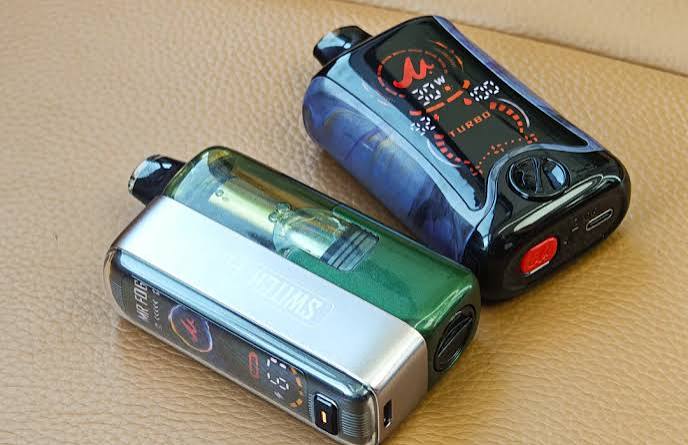

Think about how much everyday technology has changed in the last ten years. Smartphones have become faster, batteries last longer, and portable devices now offer features that once seemed complicated. Vape technology has also experienced several changes during this period.
Earlier devices generally had simple designs, limited battery capacity, and basic operating systems. Over time, manufacturers introduced rechargeable batteries, digital displays, adjustable settings, and different heating technologies. These changes have made the product category more technically advanced, but they have also created new questions about product quality, safety, and environmental impact.
Understanding this evolution helps explain why modern devices look and operate differently from earlier models. It also shows how broader consumer technology trends have influenced the vaping industry.
How Vape Technology Has Changed Since the Early Years
1. From Basic Devices to More Advanced Designs
Around a decade ago, many vaping devices had relatively simple construction. Most included a battery, a heating element, and a cartridge or tank containing e-liquid.
Their main purpose was to heat the liquid and produce an aerosol. However, early models often had limitations involving battery performance, inconsistent heating, and maintenance requirements.
As technology developed, manufacturers started improving internal components and overall construction. Rechargeable systems became more common, while compact designs gained attention.
The development of North Vape products reflects the wider movement towards newer device formats and integrated designs. Modern products in this category are often discussed in terms of battery specifications, construction, and available features.
The change was not limited to appearance. Manufacturers also began focusing on making device information easier to understand and improving the consistency of electronic components.
2. Better Batteries and Portable Technology
Battery development has been one of the most noticeable changes in modern vape technology. Earlier devices often required frequent charging or battery replacement, which could make regular use inconvenient.
Newer models commonly use rechargeable lithium-ion batteries and may include USB-C charging connections. These developments are part of a wider shift towards standardised charging systems across portable electronics.
Some common technical changes include:
- Rechargeable battery systems
- Improved electronic power management
- USB-C charging on compatible devices
- Compact internal components
- Battery-level indicators and digital screens
However, battery improvements do not mean that every device offers the same performance or safety standards. Charging instructions, battery condition, and manufacturer guidance remain important considerations.
Modern Features, Product Choices, and Industry Trends
3. Digital Displays and Changing Product Designs
Digital technology has influenced how modern vaping devices communicate information. Earlier products generally offered limited feedback about their operating condition.
Today, some devices include small displays that show battery levels, e-liquid indicators, charging status, and selected operating modes.
These features can make technical information easier to check. However, consumers should understand what each indicator actually measures rather than assuming that every screen provides accurate information about all internal components.
Design has also become an important part of product development. Manufacturers increasingly focus on compact shapes, integrated construction, and materials that are suitable for portable electronics.
Another area that has received attention is product customisation. Consumers may come across searches for North Vape flavors, where flavour names and descriptions are used to organise different product options. These descriptions should not be confused with safety information or evidence that a product is less harmful.
4. Heating Systems and the Growth of Product Variety
Heating technology has also changed over the years. Traditional wire coils remain part of many device designs, while mesh coil systems have become common in newer products.
Mesh coils use a mesh-shaped heating element. Their design provides a different heating surface compared with conventional wire coils, which can influence how an e-liquid is heated.
Other developments include adjustable airflow, electronic controls, and different device configurations. These features show how manufacturers have experimented with internal technology and product construction.
Consumers researching Fifty Bar Vape flavors may also notice that modern product descriptions often provide more information about flavour names, device specifications, and available configurations.
However, product variety should not distract from important considerations. Flavoured nicotine products still carry health risks, and flavour descriptions do not indicate that a product is safe to inhale.
What the Next Decade Could Bring
The next stage of vape technology will likely involve further developments in electronic controls, battery management, manufacturing materials, and product traceability.
At the same time, the industry faces several challenges that cannot be solved through technology alone.
Some important areas include:
- Battery safety: Better handling, charging, and battery protection systems.
- Environmental impact: Reducing electronic waste from disposable devices.
- Product transparency: Providing clear ingredient and manufacturing information.
- Quality control: Improving consistency and checking product standards.
- Public health: Addressing the risks associated with nicotine and inhaled aerosols.
These issues are important because a product can have advanced electronics without necessarily being safer or environmentally responsible.
Final Thoughts
The last decade has brought noticeable changes to vape technology. Devices have moved from relatively basic electronic designs towards more compact products with rechargeable batteries, digital displays, and different heating systems.
These developments reflect wider changes in consumer electronics and the demand for portable technology. However, innovation should not be measured only by the number of features a device offers.
Clear product information, responsible manufacturing, battery safety, and environmental considerations are equally important. Understanding these changes gives consumers a better picture of how the industry has developed and why technology alone should never be treated as a measure of product safety.