

Key Takeaways
- Using low-VOC, non-toxic materials improves indoor air quality and creates healthier work environments.
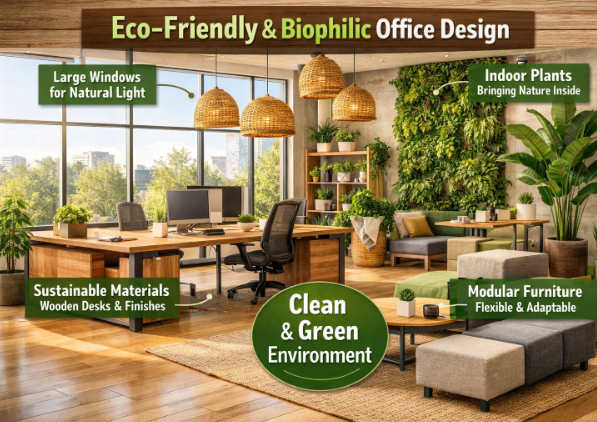
- Incorporating biophilic design elements, such as natural materials and indoor plants, boosts employee focus and mood.
- Flexible layouts and modular furniture support adaptability and reduce material waste.
- Energy-efficient lighting and HVAC systems contribute to sustainability and operational efficiency.
- Embracing circular design principles ensures materials are reused and recycled, minimizing environmental impact.
Modern businesses today are reshaping the idea of what a workspace should be. With sustainability at the forefront, companies are seeking out interior design strategies that minimize their environmental impact while also enhancing health and productivity. Integrating eco-friendly features into office environments is no longer just a trend but a new standard. As more organizations embrace this approach, both environmental stewardship and workplace satisfaction are on the rise. For those interested in exploring how commercial spaces can be transformed with these principles, the resources at https://www.workscapedesigns.com/commercial-interior-design-architecture provide a great starting point.
The transition to sustainable office environments not only reduces a company’s carbon footprint but also lowers operational costs and offers a healthier daily experience for employees. This well-rounded approach acknowledges that environmentally conscious spaces foster creativity, engagement, and comfort, all of which are crucial for long-term business growth and adaptability.
As attention to workplace wellness grows, decision makers are recognizing the measurable benefits of adopting green building practices. Studies have linked high-quality indoor environments with improved focus, reduced absenteeism, and even increased employee retention rates. These impacts reinforce why sustainable interior design is essential for the next generation of workspaces.
The movement toward green workspaces goes beyond visual upgrades, representing a comprehensive rethinking of materials, systems, and layouts. As workplaces evolve rapidly, sustainability drives not just better business but also more resilient and inspiring offices for everyone involved.
Low-VOC and Non-Toxic Materials
With indoor air pollution cited as a significant source of health issues in offices, the use of low-VOC (volatile organic compound) and non-toxic materials is a major shift in sustainable design. Paints, sealants, adhesives, and even flooring now come in versions that release minimal harmful emissions. Selecting these products not only protects workers from toxic exposure but also aligns businesses with global sustainability standards. According to the Environmental Protection Agency (EPA), improving indoor air quality can lead to significant health and productivity gains, making these material choices smart investments for employers.
Biophilic Design Elements
The concept of biophilic design, which emphasizes a close connection to nature, is rapidly becoming a core part of today’s office environments. Designers are bringing in more than just potted plants; they are creating immersive experiences using organic shapes, natural materials like wood and stone, verdant walls, and even daylight simulation. This approach delivers measurable benefits, as research from Healthline demonstrates how exposure to natural elements can reduce stress and foster creativity in high-pressure work settings.
Flexible Layouts and Modular Furniture
Gone are the days of static offices filled with permanent walls and oversized desks. Adaptable designs, featuring modular furniture and moveable partitions, support changing needs throughout the day and across teams. Not only do flexible spaces allow companies to shift easily between collaborative and individual tasks, but they also help minimize waste by enabling spaces to evolve without extensive renovations. This adaptability is crucial as remote and hybrid work trends accelerate, requiring work environments to accommodate fluctuating employee numbers.
Energy Efficiency and Smart Systems
Workplaces today often feature advanced building management systems that use sensors and smart controls to constantly optimize energy usage. Automated lighting that responds to natural daylight, occupancy sensors that adjust air conditioning only when rooms are in use, and energy-efficient appliances all work together to cut costs and reduce environmental impact. These systems not only improve business operations but also contribute substantially to long-term energy savings and sustainability efforts.
Circular Design Principles
For the most future-focused organizations, circular design is taking center stage. This philosophy mandates considering the entire lifecycle of a space, from initial material sourcing to eventual reuse or recycling. Circular design emphasizes using materials with documented origins, favoring recycled or rapidly renewable resources, and designing with end-of-life in mind to minimize waste. Businesses embracing this model find that sustainability is integrated deeply into the workplace, promoting durability, resource conservation, and a legacy of responsible innovation.
Conclusion
Modern sustainable design trends offer businesses an opportunity to act as stewards of their employees’ health and the environment. By weaving together low-emission materials, nature-inspired elements, flexible furnishings, intelligent building systems, and principles of circularity, companies set themselves up for prosperity today and resilience tomorrow. As eco-conscious design cements itself as more than a passing trend, organizations that invest in these tactics are creating healthier, more inspiring, and ultimately more productive workspaces that stand the test of time.