
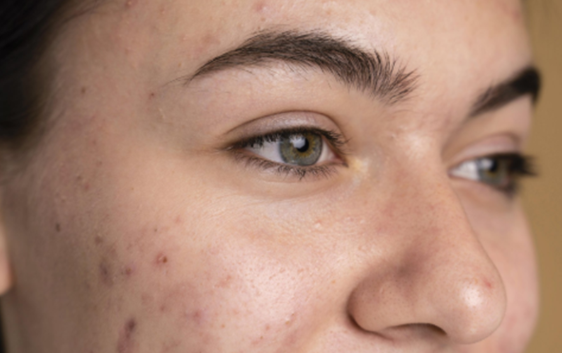

Uneven skin tone is one of the most common concerns in modern skincare. For many people, the issue is not only about having dark spots or patches on the face. It is also about how pigmentation affects the overall impression of the skin. Even when the skin feels smooth, discoloration can make the complexion look tired, dull, or less refined than it really is.
This is why pigmentation care has become an important part of aesthetic treatment today. People are no longer looking only for quick brightening results. They want a more thoughtful approach that helps improve the appearance of uneven tone while respecting the skin’s natural balance. To do this properly, it is important to understand why pigmentation happens and why the right treatment plan matters.
Why Uneven Skin Tone Develops
Skin color is influenced by melanin, the natural pigment produced by cells in the skin. Melanin helps protect the skin from environmental stress, especially ultraviolet radiation from sunlight. However, when melanin production becomes uneven or excessive in certain areas, the skin can develop dark spots, patches, freckles, or areas of discoloration.
Sun exposure is one of the biggest triggers. Even small amounts of daily UV exposure can gradually stimulate pigment production, especially when sunscreen is not used consistently. Over time, this can lead to sun spots, darker patches, and a less even complexion.
Hormonal changes can also affect pigmentation. This is often seen in melasma, which may appear as brown or grayish-brown patches on the cheeks, forehead, upper lip, or nose. Inflammation from acne, irritation, or unsuitable skincare products may also leave dark marks behind after the skin heals.
Because pigmentation can have several causes, it should not be treated as a simple surface problem.
Why Brightening Skincare Is Not Always Enough
Many people begin managing uneven tone with brightening serums, exfoliating products, or spot-correcting creams. These products can be helpful, especially for mild dullness or early discoloration. However, deeper or more persistent pigmentation often needs more than everyday skincare.
The challenge is that pigmentation may exist at different depths within the skin. Some dark marks are closer to the surface and may improve more quickly. Others are deeper or more complex, making them harder to treat with topical products alone.
Another concern is irritation. People who want fast results may use strong exfoliants or brightening products too often. This can weaken the skin barrier and sometimes make pigmentation worse, especially in skin that is sensitive or prone to inflammation.
A careful treatment plan should aim to improve clarity while keeping the skin calm, protected, and healthy.
Understanding Depigmentation in Aesthetic Care
In professional skincare and aesthetic medicine, depigmentation does not mean removing the skin’s natural color. Instead, it usually refers to reducing the appearance of excess or uneven pigment so the complexion looks clearer and more balanced.
A thoughtful approach to pigmentation care may include professional treatments, home skincare, sun protection, and lifestyle adjustments. The goal is not only to lighten visible dark spots, but also to reduce the chance of repeated pigment activation.
For people exploring targeted skin programs, professional options such as depigment care can be part of a broader approach to managing uneven tone, dullness, and stubborn discoloration. When guided by an experienced clinic, this type of care can help support a brighter-looking complexion without treating the skin aggressively.
The Importance of Skin Barrier Protection
One of the most overlooked parts of pigmentation care is the skin barrier. The barrier is the skin’s protective outer layer. When it is healthy, the skin can retain moisture, defend against environmental stress, and recover more effectively. When it is damaged, the skin may become dry, sensitive, red, or easily irritated.
This matters because irritation can trigger inflammation, and inflammation may lead to more pigmentation. For this reason, the best pigmentation treatments are not always the strongest ones. They are the ones that balance visible improvement with skin safety.
A good plan should support the skin barrier with proper hydration, gentle products, and careful aftercare. Patients should avoid over-exfoliating or combining too many active ingredients without professional advice.
Sun Protection Is the Foundation of Results
No pigmentation treatment can succeed without consistent sun protection. UV exposure can darken existing spots and stimulate new pigment production. Even after professional treatment, the skin may remain vulnerable to sunlight, making sunscreen essential.
Daily sunscreen use is important even on cloudy days or when staying indoors near windows. For people with melasma or stubborn pigmentation, physical protection such as hats, sunglasses, and avoiding peak sun hours can also help.
Sun protection should not be seen as an optional step after treatment. It is part of the treatment itself. Without it, results may fade more quickly, and pigmentation may return.
Why Pigmentation Treatment Takes Time
Unlike temporary dullness, pigmentation often improves gradually. Some marks may fade within weeks, while deeper or hormone-related pigmentation may require a longer plan. This is especially true for melasma, which can be persistent and may return if triggers are not managed.
Realistic expectations are important. A good clinic should explain that pigmentation care is usually a process, not a one-time solution. The skin needs time to respond, recover, and rebuild a more balanced appearance.
Patients who understand this process are more likely to stay consistent with treatment and aftercare. They are also less likely to damage their skin by seeking overly aggressive methods.
Professional Assessment Makes the Difference
Not all dark spots are the same. Freckles, sun spots, melasma, post-acne marks, and general dullness may look similar to an untrained eye, but they can behave differently. This is why professional assessment is valuable.
A provider may consider the color, depth, pattern, location, history, and triggers of the pigmentation before recommending a plan. They may also ask about sun exposure, skincare habits, hormones, previous treatments, and sensitivity.
This helps create a more personalized approach. Instead of applying the same treatment to every case, the clinic can select methods that match the individual’s skin condition and goals.
Supporting Clearer Skin with Daily Habits
Professional treatment can help improve the appearance of pigmentation, but daily habits play an important role in maintaining results. Gentle cleansing, regular sunscreen use, hydration, and avoiding harsh skincare combinations can all support the skin.
Lifestyle factors also matter. Adequate sleep, stress management, and avoiding unnecessary sun exposure may help the skin look healthier overall. For people who are prone to pigmentation, prevention is just as important as correction.
The best results usually come from combining clinic-based care with a consistent home routine.
Conclusion
Uneven skin tone is a complex concern that deserves more than a quick brightening solution. Pigmentation may be caused by sun exposure, hormones, inflammation, acne marks, genetics, and daily skin stress. Because of this, the most effective approach should be careful, consistent, and personalized.
Modern pigmentation care focuses not only on reducing visible dark spots, but also on protecting the skin barrier, preventing new discoloration, and supporting long-term skin health. With professional guidance, realistic expectations, and proper sun protection, it is possible to help the complexion look clearer, brighter, and more naturally balanced over time.