
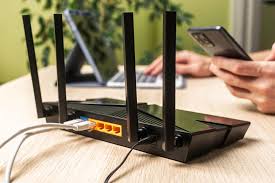

Most households depend on a reliable internet connection, whether it’s for working from home, watching television, gaming, or simply browsing online. However, how your devices connect to the internet can noticeably affect their performance.
Wired and wireless connections both have advantages, but they suit different situations. Understanding the differences can help you choose the option that works best for your home and the devices you use every day.
Wired Connections: The Reliable Choice
A wired connection uses an Ethernet cable to connect a device directly to your router. It’s particularly useful for desktop computers, gaming consoles, and smart televisions that tend to stay in one place.
One of the biggest advantages is consistency. Because data travels through a physical cable rather than wireless signals, there’s less chance of interference from walls, furniture, or neighboring networks.
Wired connections can also offer lower latency, which matters for online gaming and video calls. Even a small delay can become frustrating when you’re trying to communicate with colleagues or compete in an online game.
The main disadvantage is convenience. Running cables around your home isn’t always practical, especially if your router is downstairs and your computer is in an upstairs bedroom.
Wireless Connections: Convenience Without the Cables
Wi-Fi has become the preferred option for many households because it allows multiple devices to connect without needing physical cables.
You can move between rooms with your laptop, use your phone in the garden, or stream programs on a tablet without worrying about where your router is located.
However, wireless performance can vary depending on distance from your router and your property’s layout. Thick walls, multiple floors, and interference from other electronic devices can all affect signal strength.
Modern Wi-Fi technology has improved considerably, making wireless connections more than capable of handling everyday activities such as streaming, browsing and working remotely.
Does Your Internet Provider Make a Difference?
Your choice of internet provider and broadband technology also affects your overall experience. Even the best home network setup will struggle if the connection coming into your property is unreliable.
For households considering Los Angeles fiber internet, fiber-optic broadband can provide the bandwidth needed to support multiple connected devices, depending on the plan and availability.
Remember that fiber broadband and wired home connections aren’t quite the same thing. Fiber describes how internet service reaches your property, while Ethernet and Wi-Fi determine how your devices connect to your home network.
This means you can have a fiber internet service while using both wired and wireless devices throughout your home.
Which Connection Should You Choose?
The right choice depends on how you use the internet. If you regularly play competitive online games, transfer large files, or work from a desktop computer, a wired connection may offer better consistency.
For smartphones, tablets, and laptops that move around the house, wireless connectivity is usually more practical.
You also don’t need to choose one exclusively. Many households benefit from connecting stationary devices through Ethernet while keeping Wi-Fi available for everything else.
Finding the Right Balance for Your Home
Wired connections generally offer better stability and consistent performance, while wireless connections offer flexibility and convenience.
Rather than treating them as competing technologies, consider how they can work together. A combination of Ethernet and Wi-Fi can give your household reliable connectivity without sacrificing the freedom to use your devices wherever you need them.