
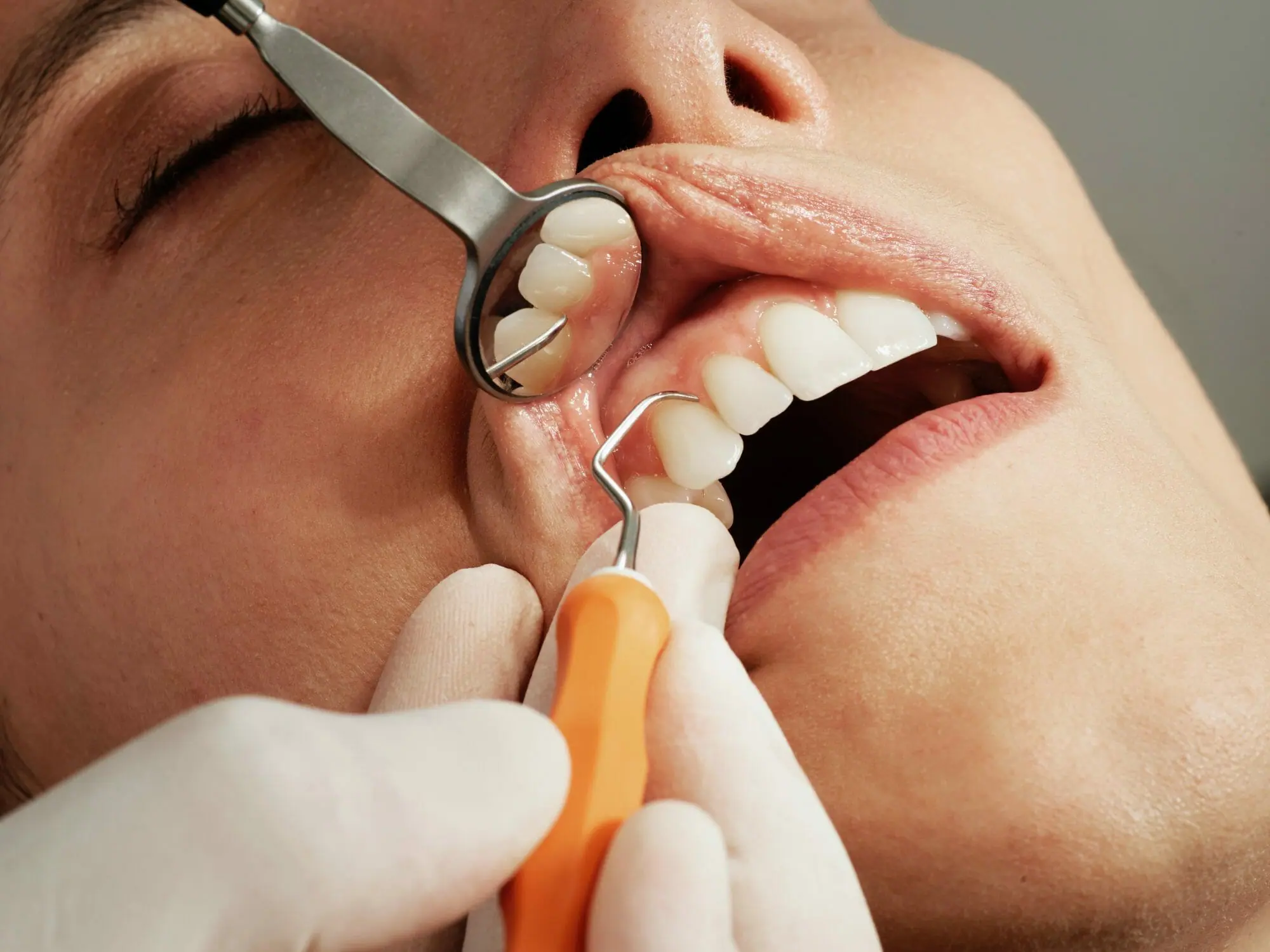

Healthy teeth can hide trouble. You might feel fine, yet tiny problems can already be forming under the surface. Small cracks, early decay, and gum disease often grow in silence. By the time you feel pain, treatment is harder, longer, and more costly. Preventive dentistry stops that quiet damage before it steals your comfort. Regular checkups, cleanings, and simple home habits protect your smile, your budget, and your peace of mind. Kamloops dentists see every day how fast a small spot can turn into a broken tooth. They also see how steady care keeps people out of the dental chair for emergencies. This blog explains why you should treat your teeth as if something is starting, even when they feel fine. You deserve care that protects you early, not rescue that comes late.
Why “No Pain” Does Not Mean “No Problem”
Teeth and gums often stay quiet while damage grows. Nerves sit deep inside the tooth. Early decay starts in the outer layers where you feel nothing. Gum disease starts in the soft tissue around the teeth. That tissue does not always send clear warning signs.
By the time you notice sharp pain, swelling, or bleeding, the damage is usually advanced. At that point you might need fillings, root canal treatment, or even extractions. Early visits let your dentist find tiny changes that you cannot see or feel.
Routine exams use tools and X rays that spot problems in the earliest stages. That is when treatment is simple, quick, and less costly.
How Preventive Dentistry Protects Your Whole Body
Preventive care is not only about teeth. Your mouth connects to the rest of your body. Infections in your gums can spread through your bloodstream. That can strain your heart and your immune system.
Research from the Canadian Dental Association and other public health groups links gum disease with heart disease and diabetes. Chronic inflammation in your mouth can make blood sugar harder to control. It can also raise your risk for heart problems.
Regular cleanings remove the sticky film of plaque that holds bacteria. Early treatment of gum disease cuts inflammation and lowers the load on your body. Strong teeth also help you chew a wide range of foods. That supports better nutrition and stable weight.
Preventive Visits vs Waiting for a Problem
You might wonder if you can wait until something hurts before you book a visit. That choice usually costs more money and more time. It also creates more stress for you and your family.
| Type of Care | Typical Timing | Common Costs and Impact
|
|---|---|---|
| Preventive visit | Every 6 to 12 months | Cleaning and exam. Short visit. Lower cost. Little or no pain. |
| Early cavity repair | Found during routine exam | Small filling. One visit. Tooth stays strong. Lower cost than emergency care. |
| Emergency visit | After pain or swelling starts | Possible root canal or extraction. Longer visits. Higher cost. Missed work or school. |
| Tooth loss treatment | After severe decay or gum disease | Bridge, denture, or implant. Multiple visits. Highest cost. Change in chewing and speech. |
This simple pattern shows a hard truth. You either pay a little now with preventive care or you risk paying much more later with urgent treatment.
What Happens During a Preventive Visit
Knowing what to expect can calm worry for you and your children. A standard preventive visit usually includes three steps.
- Review and exam. Your dentist checks your teeth, gums, tongue, and cheeks. You might discuss your health history, medications, and habits like smoking or grinding.
- Cleaning. A hygienist removes plaque and tartar that brushing and flossing leave behind. Teeth are polished to smooth surfaces so new buildup is slower.
- X rays when needed. These images show decay between teeth, bone loss, and hidden infections.
The Centers for Disease Control and Prevention explains how regular dental visits improve health across all ages.
Home Habits That Strengthen Preventive Care
What you do at home each day matters as much as what happens in the clinic. Simple actions lower your risk of decay and gum disease.
- Brush twice a day with fluoride toothpaste.
- Floss once a day to clean between teeth where brushes cannot reach.
- Limit sugary snacks and drinks, especially between meals.
- Drink tap water that contains fluoride when available.
- Wear a mouthguard during sports.
- Do not smoke or vape. These habits weaken gums and slow healing.
Fluoride strengthens tooth enamel and helps repair early damage. Health Canada shares guidance on fluoride in drinking water and dental products.
Helping Children Build Lifelong Habits
Children learn by watching you. When you treat regular dental visits as normal, they see care as part of life, not as punishment. That simple message lowers fear and builds trust.
You can support your child with three clear steps.
- Start early. Book the first visit by the first birthday or when the first tooth appears.
- Use simple words. Say the dentist will count and clean the teeth. Avoid scary stories.
- Brush together. Make it part of the morning and bedtime routine.
These habits protect baby teeth. They also shape how your child treats their mouth as an adult.
When to Book a Preventive Visit
You do not need to wait for a problem. You should book a visit if any of these apply.
- You have not seen a dentist in the past year.
- Your gums bleed when you brush or floss.
- You notice bad breath that does not clear with brushing.
- You feel pressure or mild sensitivity when you chew.
- You have diabetes, heart disease, or you are pregnant.
Regular visits every six months work for many people. Some people need more frequent care. Your dentist can set a plan that fits your health, your age, and your risk level.
Take the Next Simple Step
Teeth that feel fine can still carry hidden damage. Preventive dentistry gives you control before pain, fear, and high bills take that control away. When you choose steady checkups, cleanings, and strong home care, you protect your comfort, your confidence, and your family budget.
You can act today. Call a trusted clinic. Put a routine visit on the calendar. Treat that appointment as important as any medical checkup. Your future self will feel the difference every time you eat, speak, and smile without worry.