
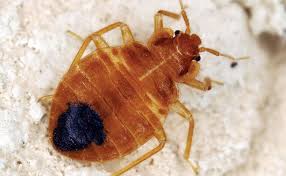

Bed bugs have been a persistent pest problem across the globe, inflicting discomfort and annoyance on countless households. These tiny, elusive insects are notorious for their ability to hide in the smallest of crevices and their rapid reproduction rates. As bed bug infestations continue to rise, so does the demand for effective extermination solutions. In recent years, various innovative trends and technologies have emerged in the field of bed bug extermination, providing hope for more efficient and lasting results.
Integrated Pest Management (IPM)
One of the most significant trends in bed bug extermination is the adoption of Integrated Pest Management (IPM) strategies. IPM is a comprehensive approach that combines multiple control methods to manage pest populations in an environmentally friendly manner. This method emphasizes the use of non-chemical measures such as heat treatments, vacuuming, and encasements, alongside selective use of pesticides. By focusing on long-term prevention and minimizing chemical exposure, IPM has become a preferred choice for many pest control professionals.
Heat Treatments
Heat treatments have gained popularity as an effective method for eliminating bed bugs at all life stages. This process involves raising the temperature of an infested area to a level that is lethal to bed bugs, typically around 120°F to 140°F. The advantage of heat treatments is that they can penetrate deep into furniture, mattresses, and walls, ensuring that no bed bugs remain. Moreover, this chemical-free approach is safe for both humans and pets, making it an attractive option for eco-conscious consumers.
Innovative Detection Technologies
Accurate detection is crucial for successful bed bug extermination. Recent advancements in detection technologies have revolutionized the way infestations are identified. Canine scent detection teams, equipped with dogs trained to sniff out bed bugs, offer a highly effective and efficient method for locating hidden infestations. Additionally, electronic monitoring devices and bed bug traps have become vital tools for ongoing surveillance and early detection, allowing for prompt intervention before infestations escalate.
Biopesticides
The development of biopesticides has introduced a new dimension to bed bug control. Derived from natural sources, these products target specific pests, reducing the risk of harm to non-target species and the environment. Biopesticides such as fungal-based formulations have shown promise in controlling bed bug populations by disrupting their growth and reproduction. As research in this area progresses, biopesticides are expected to play a larger role in integrated pest management programs.
Collaborative Efforts and Public Awareness
Another trend in bed bug extermination is the increased collaboration between pest control professionals, researchers, and public health organizations. By sharing knowledge and resources, these groups aim to develop more effective control strategies and raise public awareness about prevention measures. Educational campaigns and community outreach programs are essential for empowering individuals to take proactive steps in preventing and managing infestations.
As the battle against bed bugs continues, staying informed about the latest trends and technologies in extermination is crucial for homeowners and pest control professionals alike. By embracing innovative approaches and fostering collaboration, we can work towards a future where bed bug infestations are no longer a persistent challenge.
For more information on pest control solutions, including Termite treatment Huntsville, visit Scout Pest Control.