
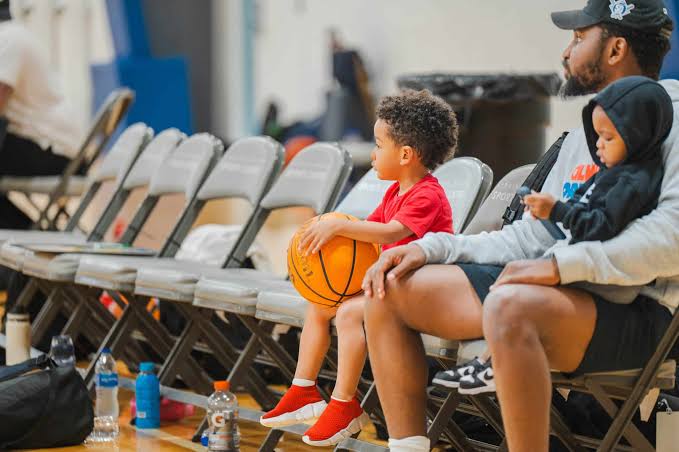

A great youth basketball tournament is about more than full gyms and competitive brackets. Whether a team is preparing for local events or exploring youth basketball leagues Chicago, the best weekends give players a chance to compete, learn, and enjoy the game without creating unnecessary stress for families or coaches.
Thoughtful planning improves every part of the experience. Players know where to be and when; parents can plan travel and meals; coaches can focus on teaching; and event staff can respond calmly when the schedule changes. A busy tournament weekend can feel chaotic. A well-run tournament feels organized even when games are close, and courts are crowded.
Why Tournament Planning Matters
Youth tournaments bring together many moving parts: teams, age groups, officials, gym staff, volunteers, scorekeepers, parents, and athletes with different needs. Clear preparation reduces confusion and helps young players stay focused on basketball. When participants understand the format, court assignments, expectations, and timing, they are more likely to arrive ready to play.
Step 1: Set A Clear Purpose For The Weekend
Before creating a schedule or inviting teams, decide what the tournament is meant to accomplish. A weekend built around player development may emphasize guaranteed games and balanced opponents. A preseason event may focus on team bonding and testing rotations. A championship-style tournament may place greater importance on standings and advancement. One event does not need to serve every purpose at once.
Step 2: Choose The Right Tournament Format
The format should match the players’ ages, travel distance, available courts, and number of officials. Common options include:
- One-day shootouts: Best for teams that need limited travel and a simple schedule.
- Two-day tournaments: Useful when teams need more games and time to adjust between matchups.
- Round robin events: Give each team multiple opportunities to play, regardless of the result.
- Pool play followed by brackets: Combine guaranteed games with a championship path.
- Developmental formats: Put learning, effort, and team improvement ahead of standings.
Step 3: Build A Schedule That Respects Young Athletes
An efficient schedule is not always player-friendly. Avoid placing teams in back-to-back games whenever possible, especially after long travel. Build in time for food, water, warm-ups, and unexpected delays from overtime, injuries, or equipment issues. Publish game times, court numbers, and check-in instructions in one easy-to-find location. A little extra space in the schedule can prevent a small delay from affecting the entire day.
Step 4: Create Balanced Matchups
Close, competitive games often teach more than repeated blowouts. Use age and grade rules carefully, then consider team history, recent results, roster size, and skill level. If teams are playing up an age group or entering a more competitive division, explain those rules before registration closes. After the event, review lopsided games and use what you learned to improve future divisions.
Step 5: Create A Simple Communication Plan
One reliable communication channel is better than several confusing ones. Send a welcome message with dates, locations, parking details, arrival times, and contact information. A few days before the event, share a checklist covering uniforms, meals, medication, and required documents. If a game time, court, or opponent changes, update families through the same channel and make sure coaches have a direct contact for urgent questions.
Step 6: Plan For Safety, Health, And Recovery
Every youth event needs a basic safety plan. Keep first-aid supplies accessible, identify emergency exits, ensure staff know who can respond to injuries, and document concerns as they arise. Encourage athletes to report pain early rather than trying to play through it. Age-appropriate warm-ups, cool-downs, water breaks, and rest periods should be part of the schedule, not an afterthought. Organizers can review practical considerations for minors, waivers, and physical activities through this event safety planning resource.
Step 7: Build A Practical Tournament Packing List
Families should pack for more than one game, even if the initial schedule looks simple. A useful checklist includes:
- Game uniform, backup shirt, basketball shoes, and extra socks
- Water bottle, light meals, and familiar snacks
- Warm-up clothing, towel, and phone charger
- Required medication and team contact information
Label personal items whenever possible. Backup gear matters when players sweat through uniforms, spill a drink, or have multiple games in one day.
Step 8: Help Players Prepare Without Overtraining
The final practices before a tournament should build confidence, not exhaustion. Coaches can review core skills, walk through simple team concepts, clarify player roles, and keep practices focused. Encourage athletes to prioritize sleep and eat familiar, balanced meals. Tournament week is rarely the right time to introduce a complicated new system or run players through an overly demanding practice.
Step 9: Make Game Day Easier
Small details shape the mood of the entire venue. Use visible signs for courts, restrooms, check-in areas, seating, and concessions. Keep scorekeeping and timing procedures consistent across games. Set expectations for bench behavior, parent conduct, and sportsmanship before tipoff. Event staff should also have backup plans for missing officials, scoreboard issues, equipment problems, and weather-related travel delays.
Step 10: Measure Success After The Final Buzzer
Post-event review turns one tournament into a better future event. Ask coaches and families what worked, what created confusion, and what was missing. Review delays, matchup quality, safety concerns, and communication gaps. Three simple questions can guide the process: What should stay? What should change? What should be added next time?
Common Questions About Youth Basketball Tournament Planning
How Far In Advance Should A Team Prepare?
Basic planning should begin several weeks ahead. Confirm travel, rosters, uniforms, and team expectations during the week before the event, then check the final schedule again the day before departure.
How Many Games Should Young Players Play In One Day?
The right number depends on age, game length, rest time, travel demands, competition level, and local event rules. Coaches should review the full physical demand of the day, not simply count games.
What Should Players Eat Between Games?
Choose familiar, easy-to-digest foods such as fruit, yogurt, sandwiches, oatmeal, rice, or whole-grain snacks. Encourage regular hydration and avoid experimenting with unfamiliar foods on tournament day.
What Makes a Tournament Feel Well-Organized?
Accurate schedules, clear signs, fair matchups, reliable officials, clean facilities, quick updates, and calm staff make a major difference. Players and families remember how an event felt as much as they remember the score.
Conclusion: Plan For Better Basketball And Better Memories
A successful youth basketball tournament is built through thoughtful details. When organizers balance competition with safety, recovery, communication, and player development, athletes have more room to compete with confidence. The result is a weekend that supports better basketball and creates positive memories long after the final score is recorded.