
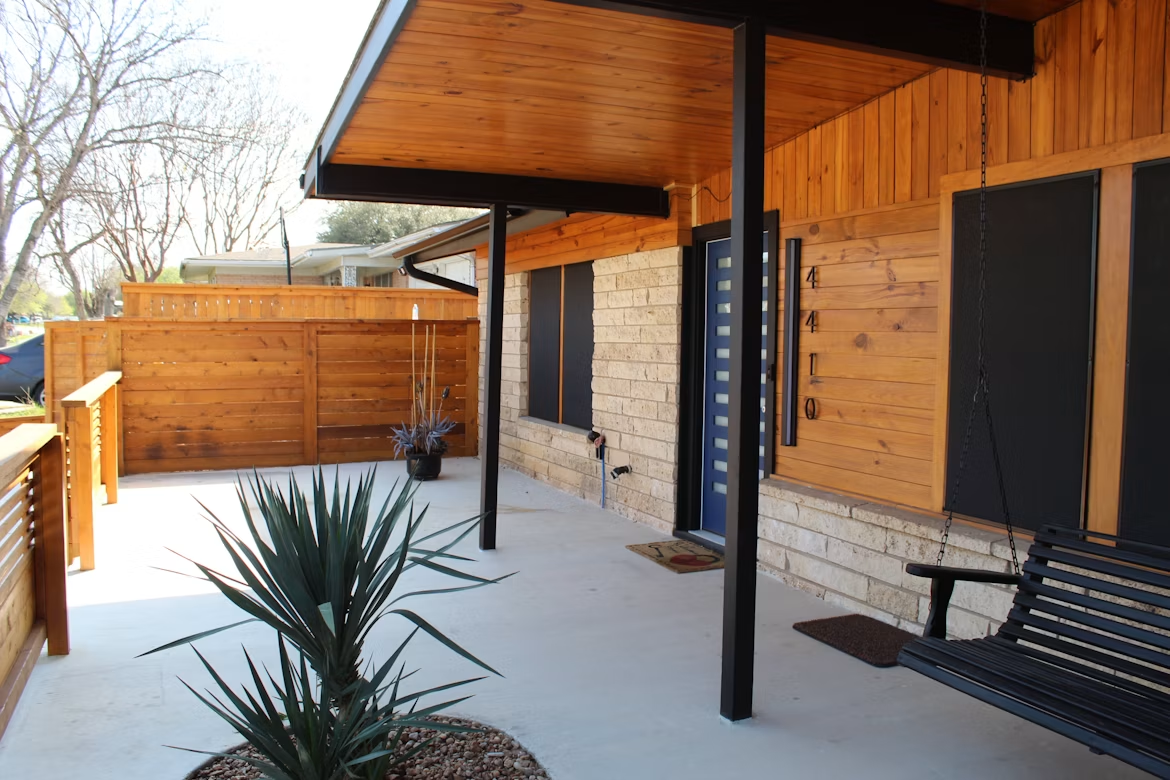

Although woodwork has always been a key component of interior design, its significance has increased in contemporary dwellings. Wood is increasingly utilized to create warm, practical, and aesthetically pleasing living environments in addition to its traditional use as a structural or ornamental element. Natural materials that provide coziness and personality to modern and minimalist designs are becoming more and more popular among homeowners. Wood’s adaptability, durability, and classic appeal make it an ideal choice for this style. Today’s woodworking ideas are more inventive than ever, combining craftsmanship with contemporary design concepts to improve everyday living spaces, from handmade furniture to architectural decorations.
Designs for Minimalist Wooden Furniture
Minimalist furniture design is one of the most popular woodworking concepts for contemporary homes. This method is characterized by simple designs, clean lines, and natural finishes that highlight the beauty of the wood grain. Low-profile coffee tables, floating shelves, and simple dining sets are examples of furniture that contribute to the creation of open, serene, and uncomplicated environments. Because they complement neutral color schemes and brighten interior spaces, light-toned woods like oak, ash, and birch are frequently used. By emphasizing useful design without superfluous decorations, minimalist wooden furniture not only improves aesthetic appeal but also helps functionality. It is a mainstay of contemporary interior design because of this harmony between form and function.
Wooden Feature Panels and Accent Walls
Another effective technique to add warmth and character to contemporary houses is using wooden accent walls. Designers frequently utilize wood panels and doors to create a focal point that adds depth and character rather than painting or wallpapering an entire space. Installing these feature walls can add natural contrast and break up monotonous surfaces in living areas, bedrooms, or even corridors. In contemporary design, recycled wood treatments, geometric patterns, and vertical slats are particularly common. They contribute to improved acoustics and a more welcoming ambiance in addition to increasing a space’s aesthetic value. Wooden panels can create a visually rich and comfortable space in an average room when paired with soft lighting.
Expertise in Modern Joinery and Global Craftsmanship
Skilled workmanship is sometimes necessary for high-quality woodwork, and several parts of the world are renowned for their proficiency in this area. In particular, Australia has established a solid reputation for using precise and inventive carpentry techniques in residential design. When working on unique home projects that require both technical precision and creativity, many homeowners and designers go for experts in residential joinery from Sydney, whose ability to blend conventional methods with contemporary design ideas produces interiors that are both extremely practical and aesthetically pleasing. This degree of skill shows how professional woodworking keeps developing while upholding its fundamental principles of accuracy and creativity.
Personalized Storage Options and Integrated Features
Smart storage solutions are frequently needed in modern homes, and bespoke woodwork is essential to fulfilling this need. Space is maximized without sacrificing design thanks to built-in cabinets, wall units, and hidden storage compartments. Custom wood storage, in contrast to mass-produced furniture, is made to meet precise measurements and lifestyle needs, making it both functional and aesthetically pleasing. To make the most of every available space, these designs may be incorporated into living rooms, kitchens, bedrooms, and even beneath staircases. Because of its versatility, wood can easily merge with other materials like glass, metal, or stone to create a modern, coherent interior design that keeps areas neat and clutter-free.
Natural Finishes and Eco-Friendly Wood Design
Modern home design has made sustainability a top priority, and woodworking is no different. To lessen their impact on the environment, many homeowners increasingly look for eco-friendly materials and wood that is acquired ethically. The usage of certified sustainable hardwoods, bamboo, and reclaimed wood in furniture and architectural components is growing. Because they maintain the material’s inherent appearance, natural finishes like oils and matte coatings are favored over synthetic ones. This method improves interior spaces’ authenticity while also promoting environmental responsibility. Sustainable wood design creates homes that feel healthier, more rooted, and more linked to the environment by bringing nature indoors.
One of the most important factors influencing the design of contemporary homes is woodwork. It is a popular option for both homeowners and designers due to its capacity to blend sustainability, practicality, and beauty. Wood continues to offer countless creative possibilities, from eco-friendly materials and unique storage solutions to minimalist furniture and feature walls. The need for expert workmanship and creative uses of wood only increases as design trends change. In the end, woodworking is more than just ornamentation; it’s about designing areas that feel organic, harmonious, and long-lasting, reflecting both individual taste and contemporary living requirements.