
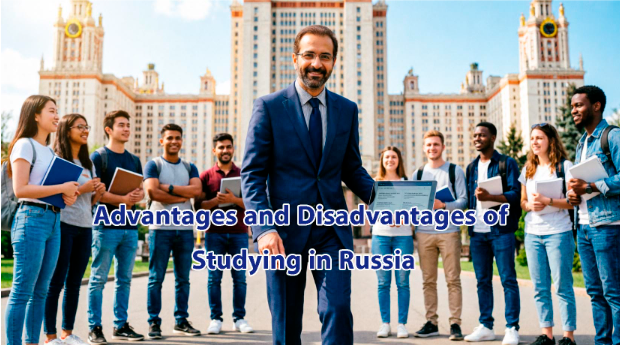

Choosing the right destination for higher education is one of the most significant decisions students face today. Russia has emerged as an increasingly popular study destination for international students, particularly from Asia, Africa, and the Middle East. Dr. Farashian, director of the prestigious Rusdanesh Institute, shares comprehensive insights into the advantages and disadvantages of pursuing education in Russia.
Choosing the right destination for higher education is one of the most significant decisions students face today. Russia has emerged as an increasingly popular study destination for international students, particularly from Asia, Africa, and the Middle East. Dr. Farashian, director of the prestigious Rusdanesh Institute, shares comprehensive insights into the advantages and disadvantages of pursuing education in Russia.
Why Russia Attracts International Students
Russia’s education system has a rich history dating back centuries, with institutions like Moscow State University and Saint Petersburg State University ranking among the world’s oldest and most respected universities. According to Dr. Farashian, “Russia offers a unique blend of academic excellence, cultural richness, and affordability that makes it an attractive option for students worldwide.”
Advantages of Studying in Russia
1. Affordable Education and Living Costs
One of the most significant advantages Dr. Farashian emphasizes is cost-effectiveness. “Compared to Western countries, Russia offers world-class education at a fraction of the cost,” he explains. Tuition fees range from $2,000 to $8,000 annually, depending on the institution and program. Additionally, living expenses in Russia are considerably lower than in Europe or North America, making it financially accessible for middle-income families.
2. Globally Recognized Degrees
Russian universities maintain high academic standards, and their degrees are recognized worldwide by UNESCO and major international educational bodies. Medical, engineering, and technical programs are particularly renowned. Dr. Farashian notes, “Russian medical degrees are accepted by WHO, UNESCO, and various medical councils globally, making graduates eligible to practice in multiple countries.”
3. No Entrance Exams for Most Programs
Unlike many Western universities requiring SAT, ACT, or GRE scores, most Russian universities admit students based on their academic records. This removes a significant barrier for international students. “This accessibility doesn’t compromise quality,” Dr. Farashian clarifies. “Russian universities maintain rigorous academic standards throughout the program.”
4. Diverse Cultural Experience
Studying in Russia offers students exposure to a rich cultural heritage, combining European and Asian influences. Students can explore historic cities, world-class museums, and diverse traditions. This cultural immersion enhances personal growth and global perspective, qualities highly valued by employers.
5. Scholarship Opportunities
The Russian government offers numerous scholarships for international students through programs like the Russian Government Scholarship, which covers tuition, accommodation, and provides a monthly stipend. Dr. Farashian’s institute helps students navigate these opportunities effectively.
6. Advanced Research Facilities
Russian universities, particularly in science, technology, and medicine, boast state-of-the-art laboratories and research facilities. Students gain hands-on experience with cutting-edge technology and methodologies.
Disadvantages of Studying in Russia
1. Language Barrier
While many programs are offered in English, daily life often requires Russian language proficiency. “This is perhaps the most challenging aspect,” Dr. Farashian acknowledges. “Students must invest time in learning Russian, though most universities offer preparatory language courses.”
2. Harsh Climate
Russia’s extremely cold winters, with temperatures dropping to -30°C in some regions, can be challenging for students from warmer climates. Adaptation requires time and proper preparation.
3. Complex Visa and Documentation Process
Obtaining a Russian student visa involves extensive paperwork and can be time-consuming. Students must navigate invitation letters, medical certificates, and various administrative requirements. Dr. Farashian recommends working with experienced educational consultants to streamline this process.
4. Cultural Adjustment
Adapting to Russian culture, social norms, and different educational methodologies can be challenging. Some students experience culture shock, particularly in the initial months.
5. Limited Part-Time Work Opportunities
Unlike some Western countries, Russia has restrictions on international students working part-time. This limits students’ ability to support themselves financially during studies.
6. Geopolitical Considerations
Current geopolitical situations may affect international relations, banking transactions, and travel. Students must stay informed about current affairs and their potential impact.
Expert Recommendations
Dr. Farashian advises prospective students to thoroughly research their chosen university and program. “Success in Russia requires preparation, adaptability, and realistic expectations,” he states. He recommends:
Learning basic Russian before arrival
Understanding the climate and preparing accordingly
Connecting with current students or alumni
Working with reputable educational consultants
Ensuring the university and program are properly accredited
Studying in Russia
Studying in Russia presents both remarkable opportunities and notable challenges. The affordable, quality education and global recognition make it attractive, while language barriers and climate require careful consideration. Dr. Farashian concludes, “For motivated students willing to embrace challenges and cultural differences, Russia offers an transformative educational experience that can launch successful international careers.”Prospective students should weigh these factors carefully, considering their personal circumstances, career goals, and adaptability before making this important decision.