

Key Takeaways
- Pickleball’s simplicity and inclusivity make it an ideal activity for fostering community engagement.
- The sport is increasingly embraced by organizations, including churches and community centers, as a catalyst for social interaction.
- Playing pickleball offers both notable physical health benefits and opportunities for mental well-being through socialization.
The Rise of Pickleball in Community Spaces
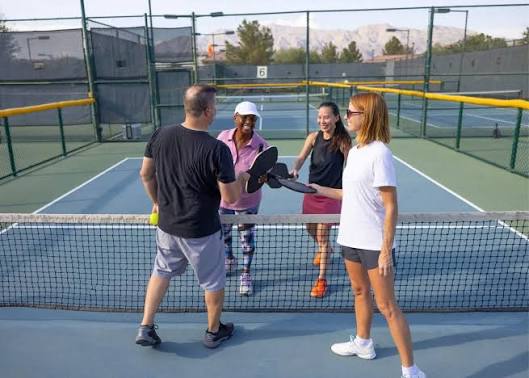
Pickleball, a sport that seamlessly blends elements of tennis, badminton, and table tennis, is sweeping the nation with its welcoming spirit and engaging gameplay. What sets pickleball apart is its ability to bring people together, transcending age, skill level, and background. In communities across the United States, local parks, recreation centers, and even church gyms are welcoming both experienced players and newcomers eager to learn more about pickleball news and events in their area. The easy-to-learn rules and low entry cost make it approachable, therefore encouraging broader participation.
Unlike many traditional sports that require specialized training or substantial financial investment, pickleball’s minimal equipment needs make it accessible to virtually everyone. This accessibility is fueling its integration into various communal settings, from suburban neighborhoods to bustling city centers. Not only does this trend reflect a shift towards more inclusive recreational activities, but it also highlights a growing recognition of the importance of social connectedness through sport.
The role of pickleball in community building extends beyond casual play. It is becoming a centerpiece for community programs designed to encourage both physical activity and meaningful social interaction. Reports and human-interest stories continue to show how neighborhoods have transformed empty lots or underused tennis courts into vibrant pickleball spaces, demonstrating the sport’s game-changing impact on community engagement. This nationwide adoption suggests that pickleball is more than a fleeting trend.
As towns and civic organizations invest in new pickleball courts and leagues, the sport is increasingly recognized as a valuable tool for enhancing social ties. Its rapid rise illustrates a commitment to collective well-being and shows how innovative activities can inspire communities to come together around shared interests. For an in-depth look at the health and societal benefits of communal sports, The New York Times provides valuable insights into how sports like pickleball strengthen communities.
Churches Embracing Pickleball for Outreach
Churches across the nation are discovering the potential of pickleball as a vibrant outreach opportunity. By opening their facilities for pickleball games, tournaments, and socials, these faith communities are fostering authentic relationships among congregants and welcoming new faces from the broader public. Adventure Christian Church in Chicago, for example, has turned its athletic space into a thriving pickleball hub, leading to increased community participation and a sense of togetherness that extends beyond Sunday services.
These pickleball programs are not just about physical exercise. They are about building trust and mutual support in a relaxed, non-intimidating setting. Churches have found that the shared joy of playing pickleball lowers social barriers, encourages intergenerational connection, and provides a path for outreach that is both inviting and effective. Through such programs, religious organizations are strengthening their ties to the neighborhoods they serve, bringing people together with a common purpose.
Health Benefits and Social Interaction
The physical benefits of playing pickleball are well-documented. Regular participation helps to boost cardiovascular health, enhance hand-eye coordination, and improve balance and flexibility. However, the mental and emotional advantages are equally important. The collaborative nature of pickleball promotes teamwork, friendly competition, and camaraderie, all of which contribute to reduced isolation and increased psychological well-being.
Organizations in the health and wellness sector are harnessing the power of pickleball to support recovery programs and promote mental health. One notable effort is the Recovery Center of Hamilton County, which has reported significant improvements in participants’ mood and outlook when they play pickleball together. These outcomes illustrate how shared physical activity can be a vital component of holistic recovery and well-being. For additional information on how communal sports are transforming mental health services, visit the in-depth reporting at washingtonpost.com.
Pickleball’s Role in Veteran Communities
Among the many groups benefiting from pickleball, veterans are finding unique value in the sport’s emphasis on teamwork and camaraderie. At places like Spirit Park at National Harbor, pickleball events are bringing veterans together to foster connection, mutual understanding, and support. These gatherings offer a safe, inclusive environment where shared experiences form the foundation for new friendships and collective healing.
The sport not only provides an opportunity for physical fitness, but also serves as a therapeutic outlet for veterans adjusting to post-military life. By participating in pickleball, veterans have found a welcoming space to engage in friendly competition, build new routines, and develop meaningful relationships outside their service environment. Through its adaptable and inclusive nature, pickleball bridges gaps and creates lasting bonds among those who have served.
The Future of Pickleball in Community Building
Looking ahead, pickleball’s role in uniting communities shows no signs of slowing. As its popularity continues to soar, more organizations and municipalities are investing in pickleball courts, launching leagues, and offering instructional clinics. These efforts underscore the sport’s capacity to promote social interaction, physical health, and collective well-being. With every game played, pickleball helps shape neighborhoods where individuals feel connected, supported, and valued.
By investing in pickleball infrastructure and programming, community leaders are laying the groundwork for a healthier, more engaged citizenry. This movement serves as a testament to the power of inclusive recreation to address today’s social challenges and strengthen the unique fabric of American life.
Conclusion
Pickleball’s growth is more than a recreational trend; it represents a shift in how communities approach wellness, inclusion, and socialization. The sport’s blend of easy accessibility, physical activity, and community spirit is transforming neighborhoods across the nation and making a tangible difference in the everyday lives of countless Americans.