
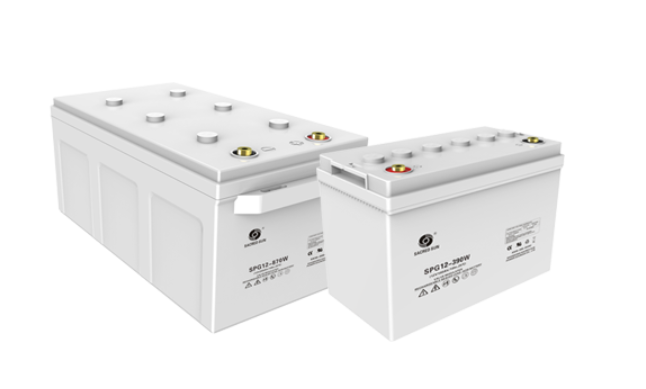

Many businesses understand the importance of having a UPS system. They know that an uninterruptible power supply can protect computers, servers, network devices, security systems, and other critical equipment when electricity becomes unstable. However, one part of the system is often overlooked until it fails: the battery.
A UPS may look strong from the outside. The machine may turn on normally, show no obvious warning, and appear ready for use. But when a real outage happens, the performance of the entire system depends heavily on the condition of the battery inside it. If the battery is weak, aged, poorly maintained, or not properly matched to the load, the UPS may not provide the backup time the business expects.
The Battery Determines Real Backup Performance
A UPS is designed to respond quickly when the main power supply fails, drops, surges, or becomes unstable. During that moment, the battery becomes the energy source that keeps connected equipment running. This may last only a few minutes or much longer, depending on the system design and battery capacity.
For many organizations, even a short backup period is critical. It may provide enough time to save data, shut down servers safely, keep network devices active, or wait for a generator to start. If the battery cannot hold the load, equipment may stop suddenly, causing data loss, downtime, or operational disruption.
This is why battery health should not be treated as a small technical detail. It is one of the most important factors in real UPS reliability.
Why UPS Batteries Lose Strength Over Time
UPS batteries do not last forever. Their performance naturally declines with age and usage. Heat, frequent discharge, poor ventilation, high load, improper charging, and lack of maintenance can all shorten battery life.
In many environments, the battery may weaken gradually without creating an obvious daily problem. The UPS may continue to function during normal power conditions, so the issue remains hidden. The weakness only becomes clear during an outage, when the battery is suddenly required to support the full load.
By that point, it may be too late to prevent downtime. This is why regular inspection and testing are essential for any business that depends on uninterrupted power.
Battery Planning Should Match Business Risk
Not every business needs the same level of backup protection. A small office may need enough time to shut down computers and routers safely. A server room may need continuous support until generator power becomes available. A factory, hospital, data center, or communication facility may require a more carefully designed battery system because downtime can create serious consequences.
The right battery plan should consider the power load, required runtime, number of connected devices, operating environment, and business risk. Selecting batteries only by price or general size can lead to under-protection.
For businesses that need professional support with แบตเตอรี่ UPS, the key is to work with a team that understands not only the product, but also installation, inspection, maintenance, testing, replacement, and the overall power continuity plan.
Maintenance Helps Prevent Unexpected Failure
A UPS battery should be checked before problems appear. Preventive maintenance can help identify weak batteries, abnormal voltage, swelling, corrosion, heat issues, connection problems, or reduced backup capacity.
Regular testing also helps businesses understand whether the battery can still support the expected load. Without testing, a company may assume it has protection when the system is no longer reliable.
This is especially important for companies with critical systems. A battery failure during a blackout can be far more costly than planned maintenance or replacement. Preventive care is usually more manageable than emergency recovery.
Environment Has a Major Impact on Battery Life
The environment where the UPS is installed can strongly affect battery performance. High temperature is one of the most common causes of shorter battery life. Dust, humidity, poor airflow, and unstable electrical conditions can also create problems over time.
Businesses should make sure UPS systems are installed in suitable locations. The area should support proper ventilation, safe access, and appropriate operating conditions. For larger systems, temperature control and professional installation become even more important.
This is why UPS planning often connects with other infrastructure, such as cooling systems, electrical design, and generator support. Reliable backup power is rarely about one device alone. It is about the entire operating environment.
Replacement Timing Should Be Planned, Not Rushed
Many companies wait until a battery fails before replacing it. This approach creates unnecessary risk. Once a UPS battery becomes weak, the business may already be exposed to sudden shutdowns.
A better approach is to plan replacement based on inspection results, battery age, performance testing, and business criticality. This allows the company to schedule replacement at a suitable time, control cost more effectively, and avoid urgent decisions during an outage.
Planned replacement is also safer for operations. The business can prepare backup arrangements, inform relevant teams, and reduce disruption during service work.
A Complete Service Partner Adds Value
UPS battery care involves more than selling a replacement battery. A strong service provider should be able to evaluate the existing system, recommend suitable battery capacity, install properly, test performance, provide maintenance, and support future planning.
Maxi Power Plus presents itself as a specialist in UPS and related systems, with long experience in selling, maintaining, repairing, renting, transporting, installing, and testing UPS and battery systems. The company also provides services related to generators and cooling systems, supporting a more complete approach to power continuity. Its website highlights over 25 years of UPS-related experience, one-stop service for data centers, telecommunication centers, and general organizations, as well as services such as UPS & Battery installation, rental, maintenance, and battery quality testing.
This type of support can be important for businesses that do not want to manage power protection alone. A professional provider can help turn UPS battery care from a reactive task into a structured reliability plan.
Battery Health Protects More Than Equipment
A healthy UPS battery protects more than machines. It protects business time, customer service, data integrity, employee productivity, and operational confidence. When power problems occur, companies need to know that their backup system will respond as expected.
For businesses that rely on digital systems or sensitive equipment, battery failure can create a chain reaction. One weak battery can lead to system shutdowns, lost files, delayed work, and customer dissatisfaction. Preventing that risk starts with understanding the battery’s role before failure happens.
Conclusion
A UPS system is only as reliable as the battery that supports it. While the UPS unit may be the visible part of the system, the battery is what determines whether critical equipment stays protected during a real power problem.
Businesses should treat UPS battery health as part of their continuity strategy. Regular inspection, proper installation, suitable environment, planned replacement, and professional service all help reduce the risk of unexpected failure.
For any organization that depends on stable power, battery care should not be left until the warning signs become obvious. It should be managed proactively, because reliable backup power begins long before the lights go out.